
Narrative Thinking
Two Practices, One Story. Introducing TGA: This Great Adventure
TGACom and This Great Adventure have combined into a single practice: TGA: This Great Adventure. Here's what that integration brings together, and why it also marks the launch of The Narrative Directors, our approach to bringing creativity, clarity and direction to cultural and communication projects at any stage and at every scale.

Foresight for Tomorrow: What Expo 2030 Riyadh Asks of National Storytelling
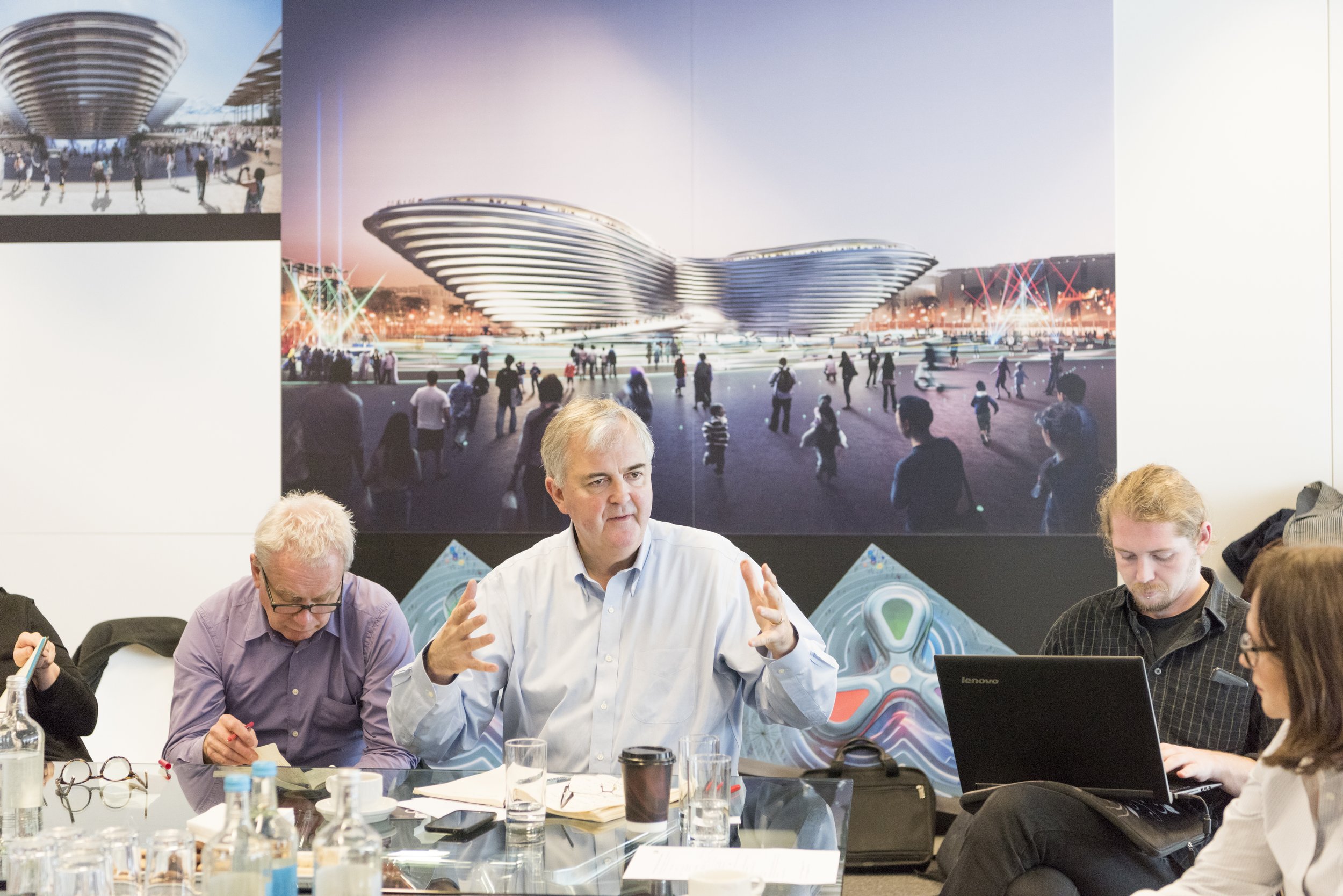
World Expo 2030 Riyadh will challenge every nation to develop its own dedicated pavilion under the "One Nation, One Pavilion" model. Drawing on two decades directing national pavilion narratives from Japan to Milan to Dubai, Tim Gardom MBE looks at what that scale of ambition demands, and why the story has to be framed years before the architecture is finished.
Why narrative is the most powerful organising tool in complex projects
Narrative direction is the practice of using narrative theory as an active tool for leadership, design and development, rather than as something applied retrospectively to make finished work sound better.
Freeman Tilden's six principles of interpretation (and why they still define great visitor experiences seventy years on)
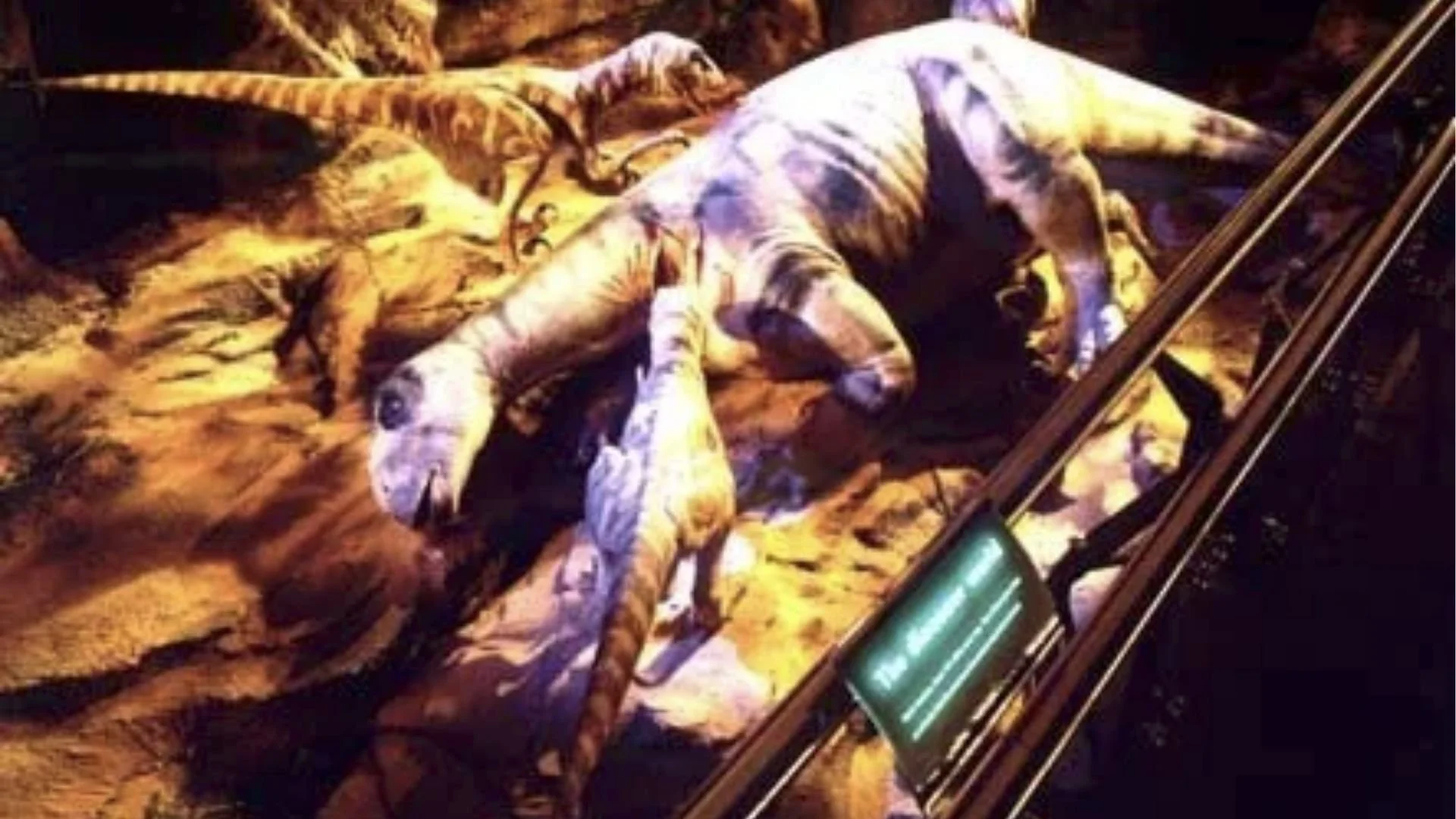
Interpretation helps us understand, appreciate and protect the things we care about. At its heart, it speaks to the questions about our existence as individuals, communities and cultures; Where have we come from, where are we now, and where might we go next?
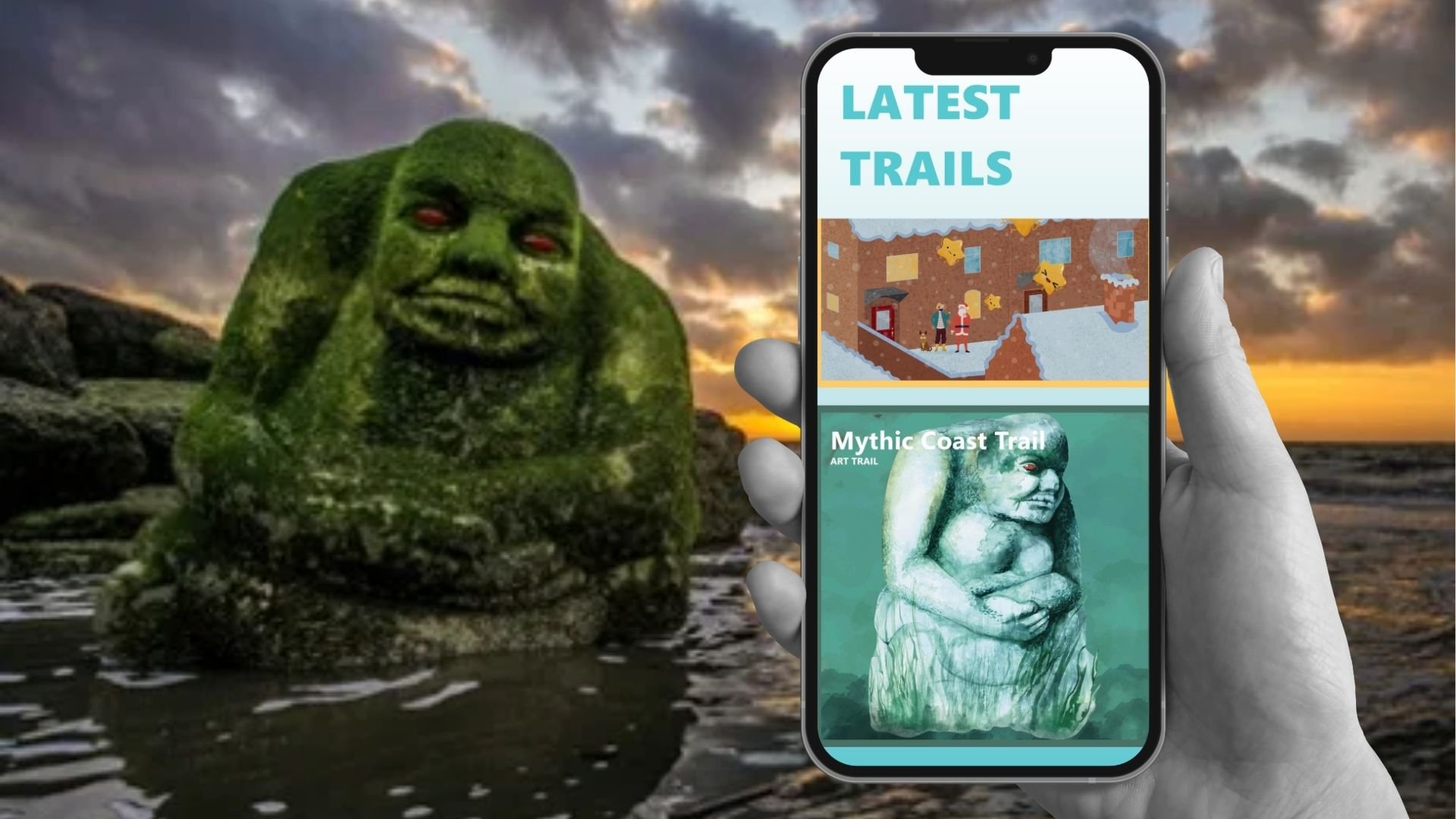
From Storytrails to XR and AI: Why Narrative Direction Has to Work Harder Across a Fragmenting Media Landscape
From early GPS storytrails to AR overlays and AI conversations with historical figures, digital heritage has fragmented across more touchpoints than ever. TGA on eighteen years of mobile-first storytelling, the pull back toward disconnection, and why real people, real stories and real places still anchor every good digital experience.
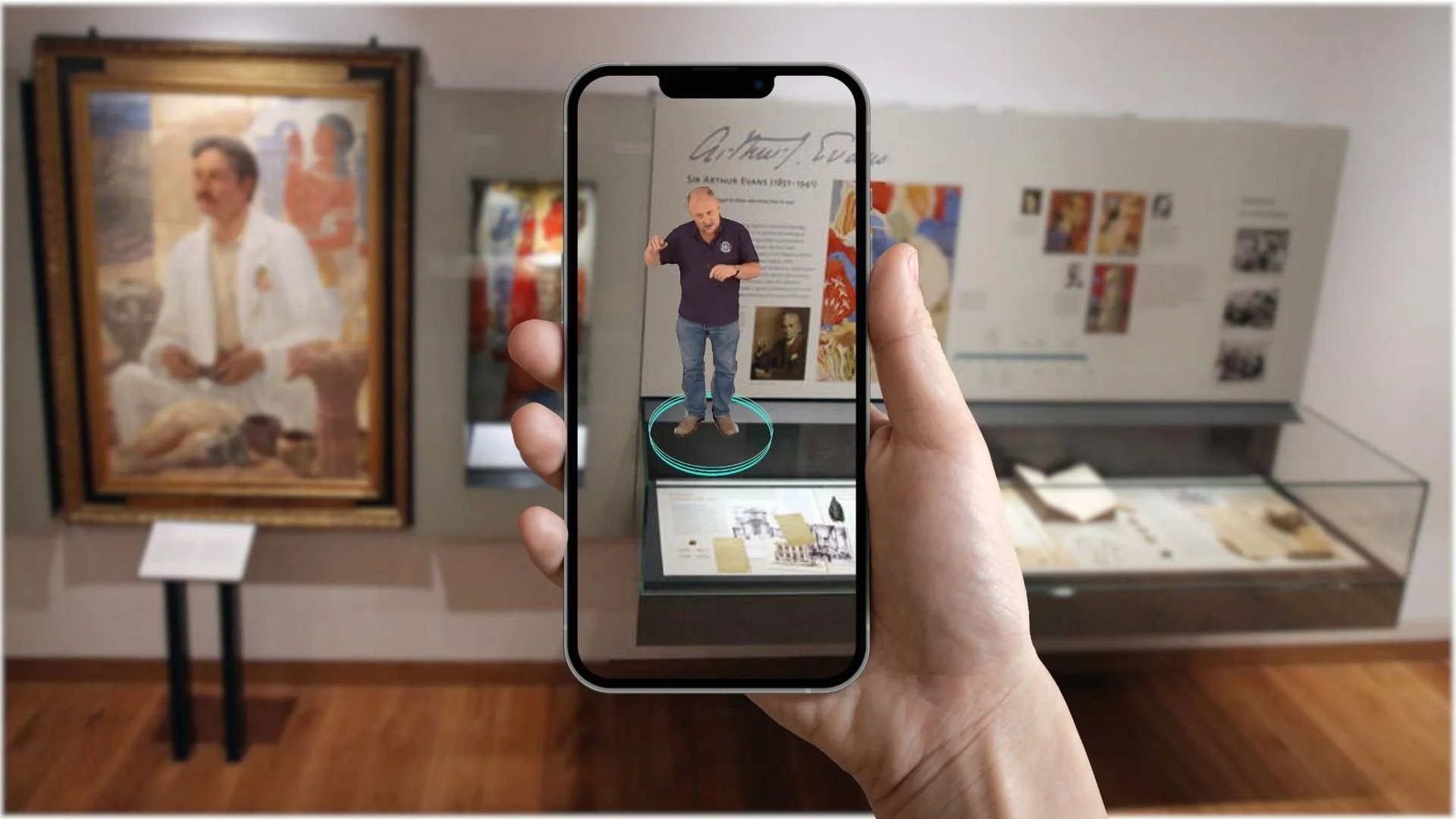
Beyond the Glass Case: How AR and Volumetric Video Can Transform Places into Stages
Museums and cultural organisations have always been custodians of memory – gateways to the past, interpreters of the present, and explorers of the future. But today, they are navigating a fast-evolving cultural landscape shaped by shifting audience expectations, funding pressures, and the need for greater inclusivity and engagement.