
From Storytrails to XR and AI: Why Narrative Direction Has to Work Harder Across a Fragmenting Media Landscape
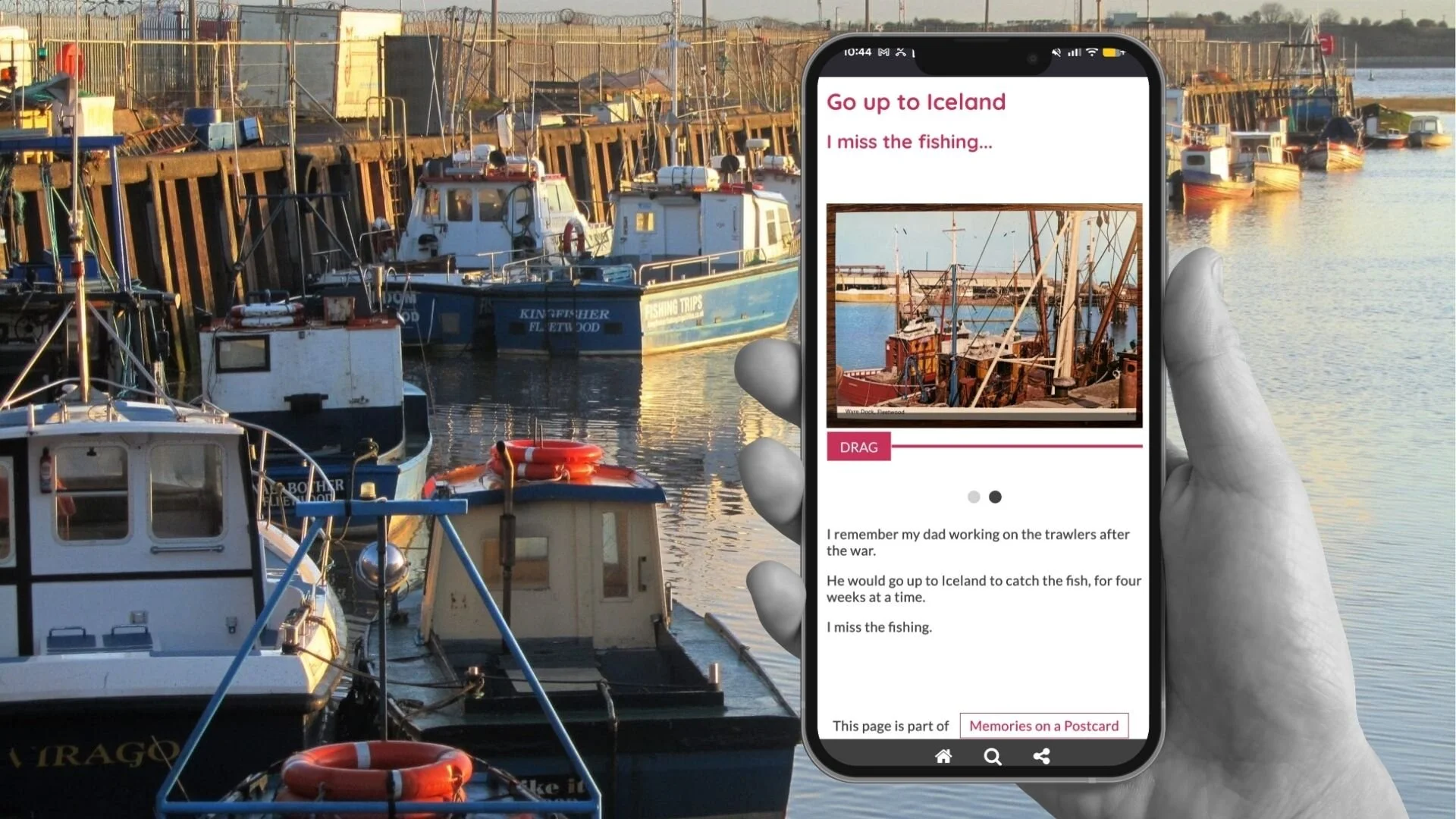
Ask a teenager whether they visited a heritage site or used an app about it, and increasingly the question doesn't make sense to them. They scanned a code on a plaque, watched a short film on their phone standing in front of the actual object, then looked something up when they got home and picked up the story again from where they'd left it. To them that was one visit, not three separate encounters across three separate channels. The distinction between physical and digital, which the sector has spent two decades treating as a meaningful line to plan either side of, has quietly stopped being one that visitors draw at all.
That shift changes what a project actually has to deliver. It's no longer enough to design a good gallery and then commission a companion app, or build a website and hope it echoes the visit. Visitors, especially younger ones, expect to move fluidly between formats to go deeper into whatever has caught their interest, on-site or off, before the visit or long after it. The core narrative has to hold across all of it. And the more the media landscape fragments, the harder that narrative has to work to stay coherent and accessible everywhere it shows up.
Eighteen years of mobile-first
We've watched this fragmentation happen in real time. Over the past eighteen years we've built and refined digital mapping and storytelling platforms/experiences as mobile technology itself evolved, from early projects mapped using a GPS device and a compass with 6mb file limits on clunky handsets to the seamless, location-aware layered experiences visitors now expect as standard. A storytrail is a simple idea: let people explore a place at their own pace, with the story unfolding as they move through it rather than being delivered to them in a fixed sequence, with opportunities to dive deeper into the stories and subjects that pique their interest. What's changed isn't the idea. It's the number of platforms it now has to work across, and the sophistication visitors bring to using them.
Beyond the screen
AR and XR are extending that same trend in a different direction. Rather than pulling visitors' attention down into a screen, these technologies can place three-dimensional storytelling back out into the physical world, a reconstructed building overlaid on its ruins, a historical figure standing where they once stood, a landscape shown as it looked centuries ago from the exact spot a visitor is standing on.
Done well, this doesn't compete with the physical site for attention. It deepens the relationship between visitor and place, using the device as a lens rather than a destination.
The AI frontier
AI is the newest and least settled part of this picture. It's already changing how visitors can learn about a site, not just by retrieving information on demand but by having something resembling a conversation with an object, a landscape, or a figure from history.
That's a new register of engagement, and a powerful one. It's also the clearest illustration of why narrative direction as a discipline matters more now than it used to: a conversational AI doesn't say the same thing to every visitor, which means the coherence of the story can no longer live in a fixed script. It must live in the underlying framework that shapes what information the AI draws on, what it is allowed to say, in what voice, and to what end, so that a hundred different conversations all still belong to the same story.
The pull the other way
At the same time, we're seeing a real counter-trend. A growing number of visitors are actively looking to disconnect from technology while having a heritage or cultural experience, to put the phone away and simply be somewhere, with other people, without a screen mediating the moment.
This isn't a contradiction of everything above. It's confirmation of the same underlying point: audiences want the right medium for the right moment, not maximum technology applied uniformly.
Sometimes that's an AI conversation with a historical figure. Sometimes it's a simple leaflet or guided walk with no device in sight. A good narrative framework doesn't default to either. It decides, deliberately, which parts of a story are best told through technology and which are best told without it.
What doesn't change
However much the landscape shifts, one thing hasn't, in eighteen years of watching it change: the most impactful digital experiences we've built have always rested on the same three foundations as the least technical ones. Real people. Real stories. Real places.
For us, the technology, whatever form it takes next, only ever works in service of those three things. It has never been a substitute for them, and every time we've seen a digital layer fail to land with visitors, the cause has usually been a thin story dressed up in strong technology, not the other way round.
That's the case for narrative direction as its own discipline in a fragmented media landscape: not to pick the technology, but to decide, before any of it is built, what the story actually is, which medium each part of it belongs in, and how a storytrail, an AR layer, an immersive world, an AI conversation and a plain label in a case can all still be recognisably telling the same story.