SeaCity Museum
Southampton's Titanic Story
Finding the local story inside one of history's most famous disasters, and giving it back to the city that lost the most.
-
To develop the narrative masterplan and all content for Southampton's Titanic Story, Heritage Lottery funded galleries at SeaCity Museum telling the disaster from the perspective of the hundreds of Southampton citizens who crewed the ship and never came home.
The brief asked for something that would give these largely forgotten working people, engineers, stewards, firemen, cooks, their rightful place at the centre of a story that had always belonged to the passengers, the owners and the mythology of the ship itself.
Narrative Masterplanning | Interpretation Planning | Content Development | Design Integration | Interactive Development
-
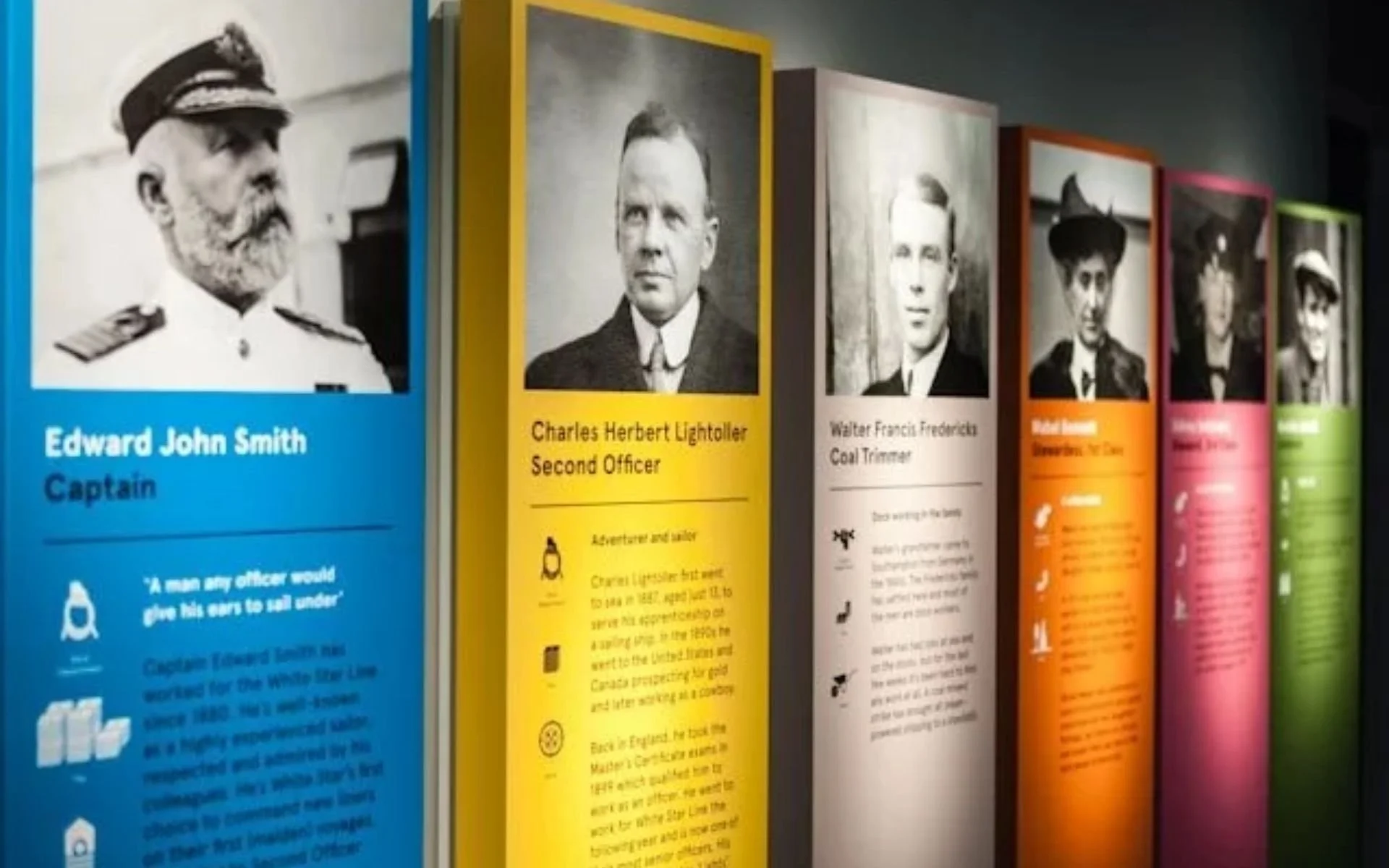
Drawing on decades of public history research, we built the entire interpretive approach around individual lives rather than the event, finding the particular human stories inside the historical record and placing them at the centre of every gallery, every interactive and every media experience.
We wrote all gallery text in the continuous present tense, a deliberate narrative decision that strips away historical distance and places visitors inside the unfolding story rather than looking back at it from safety.
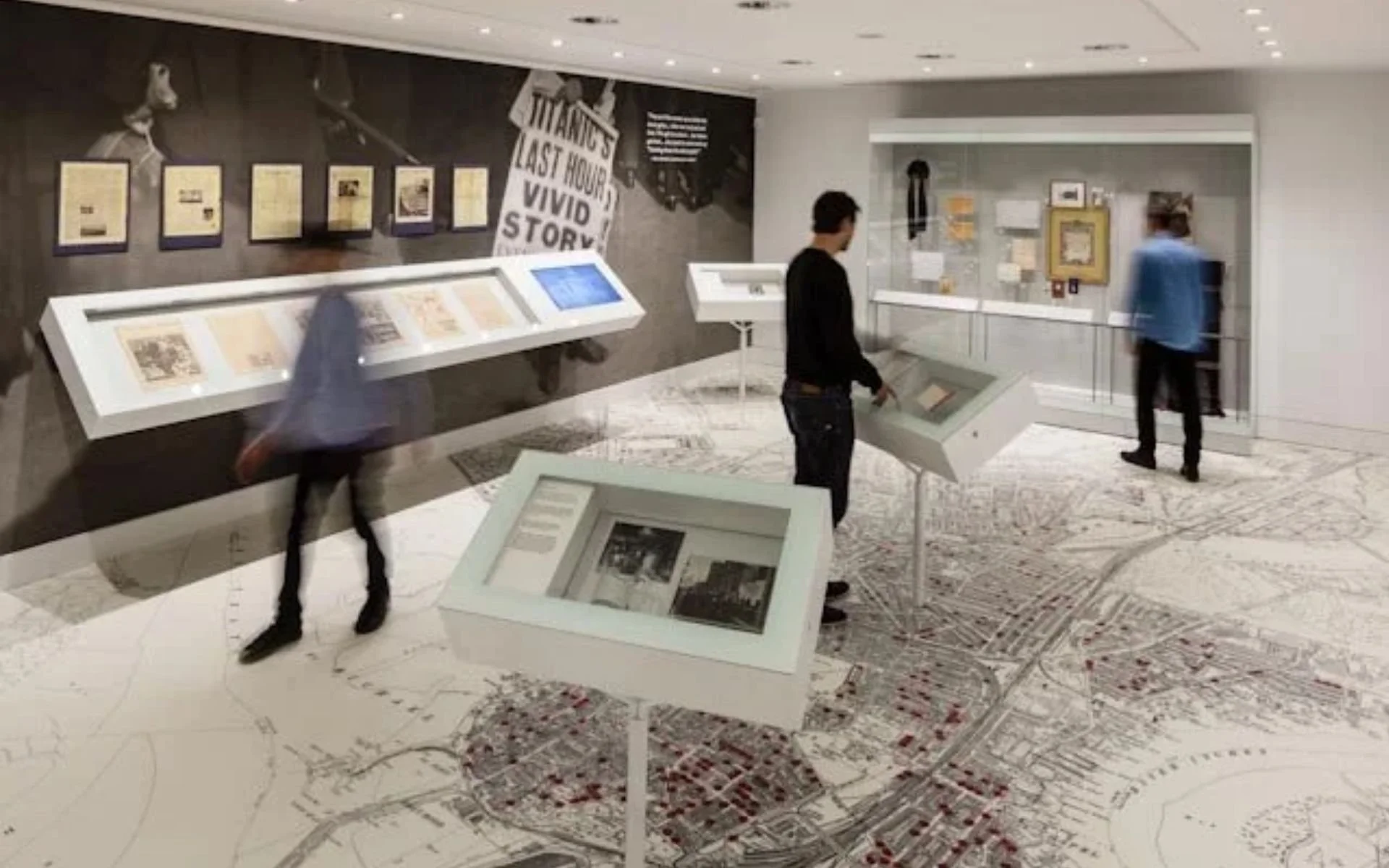
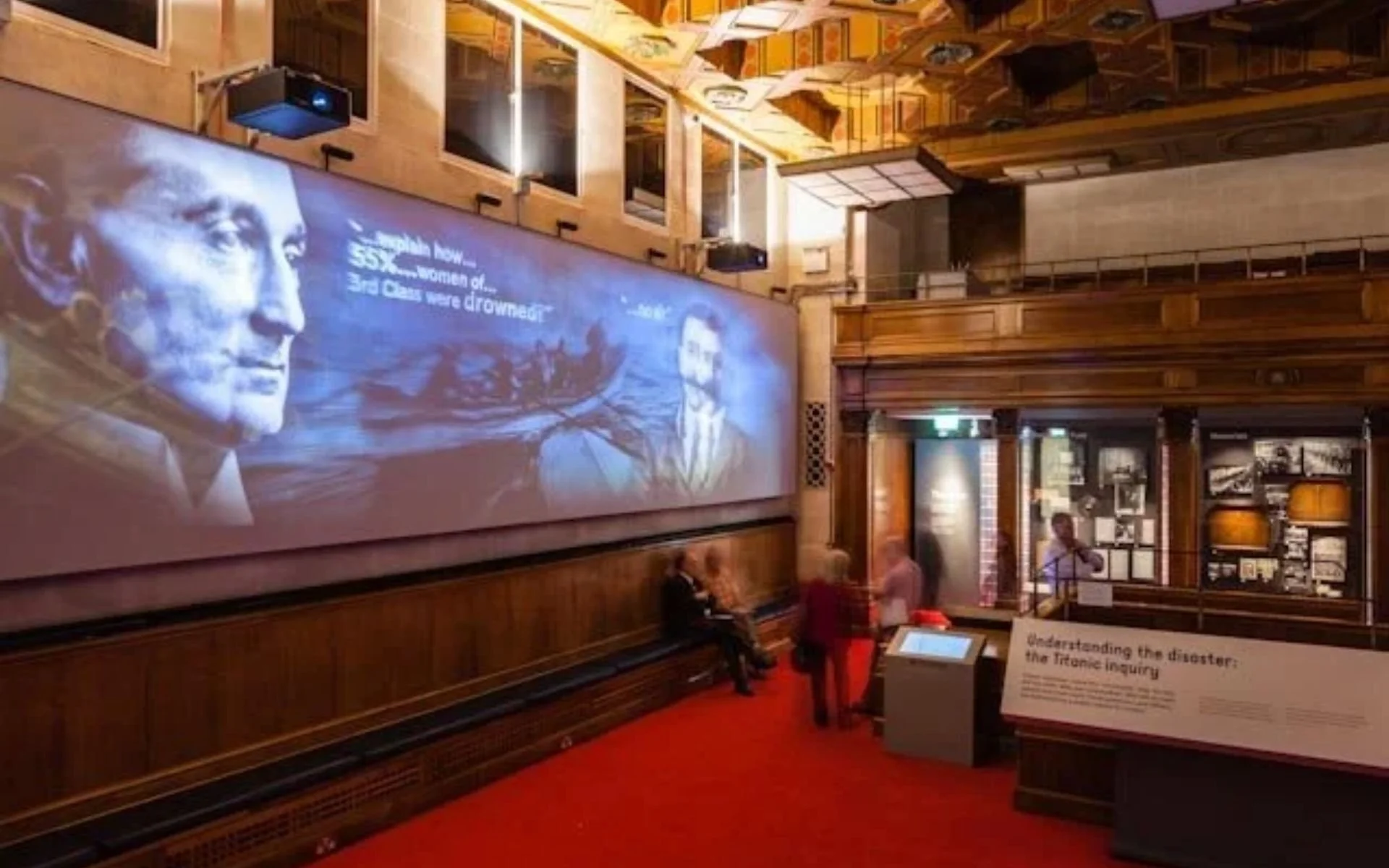
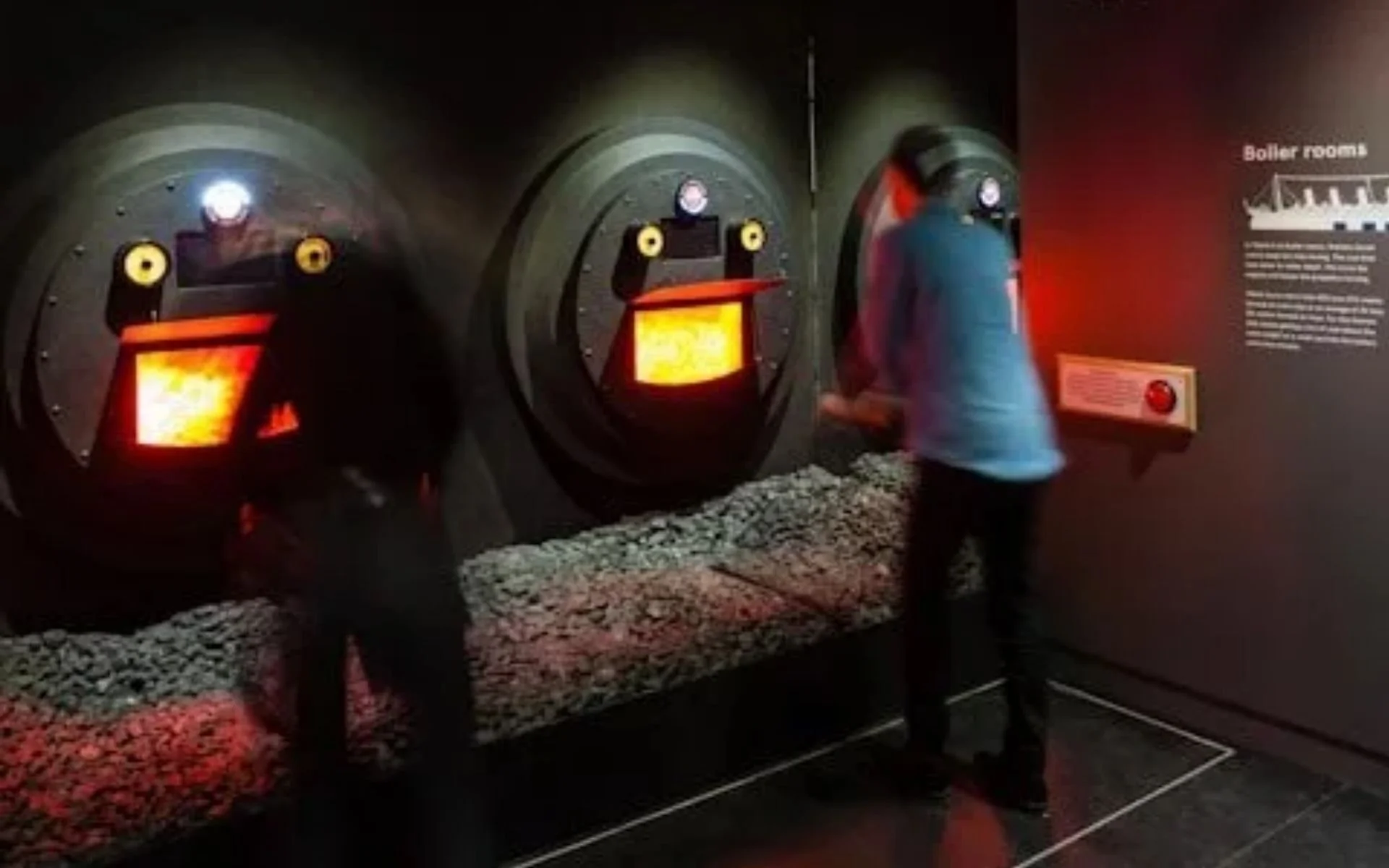
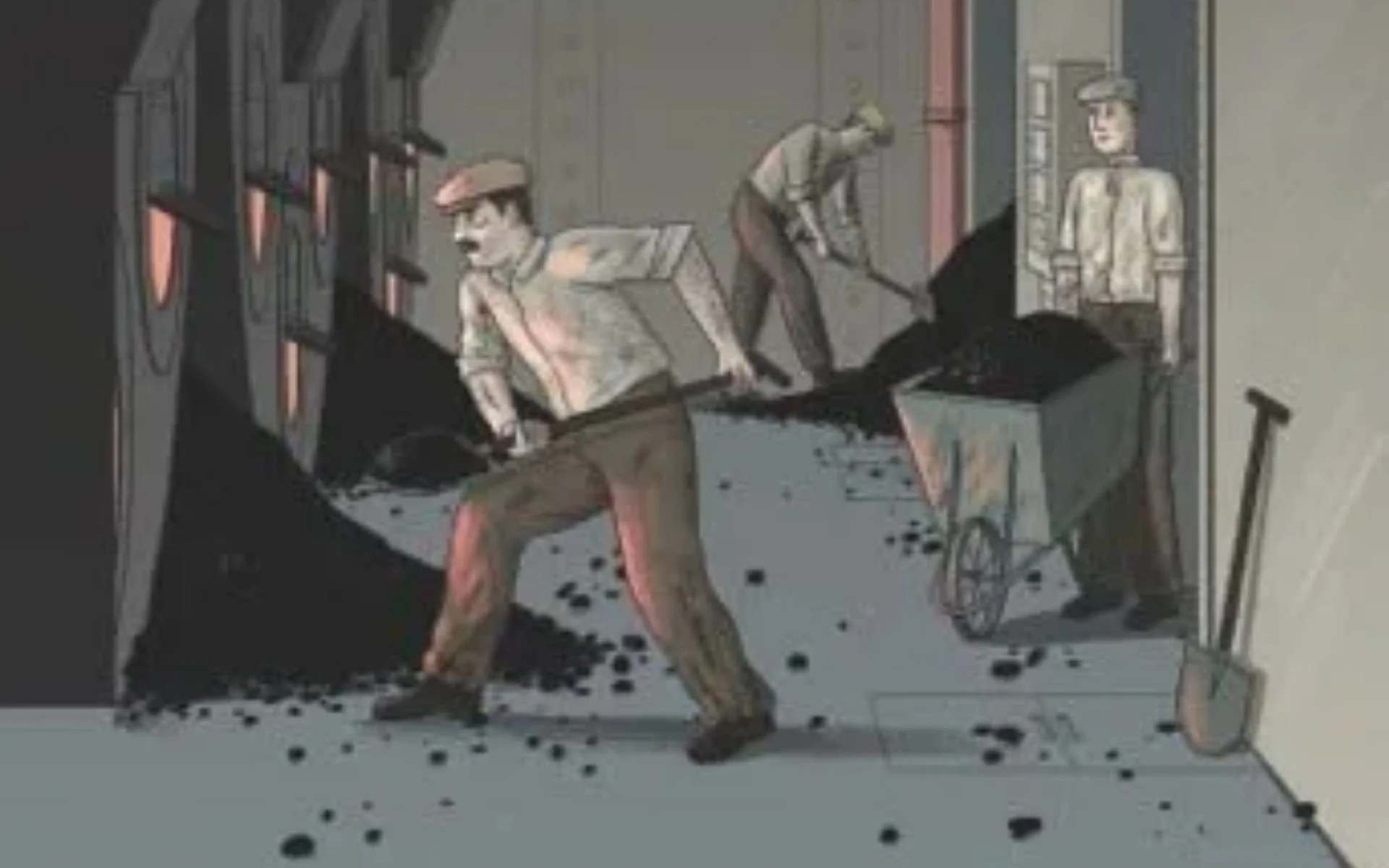
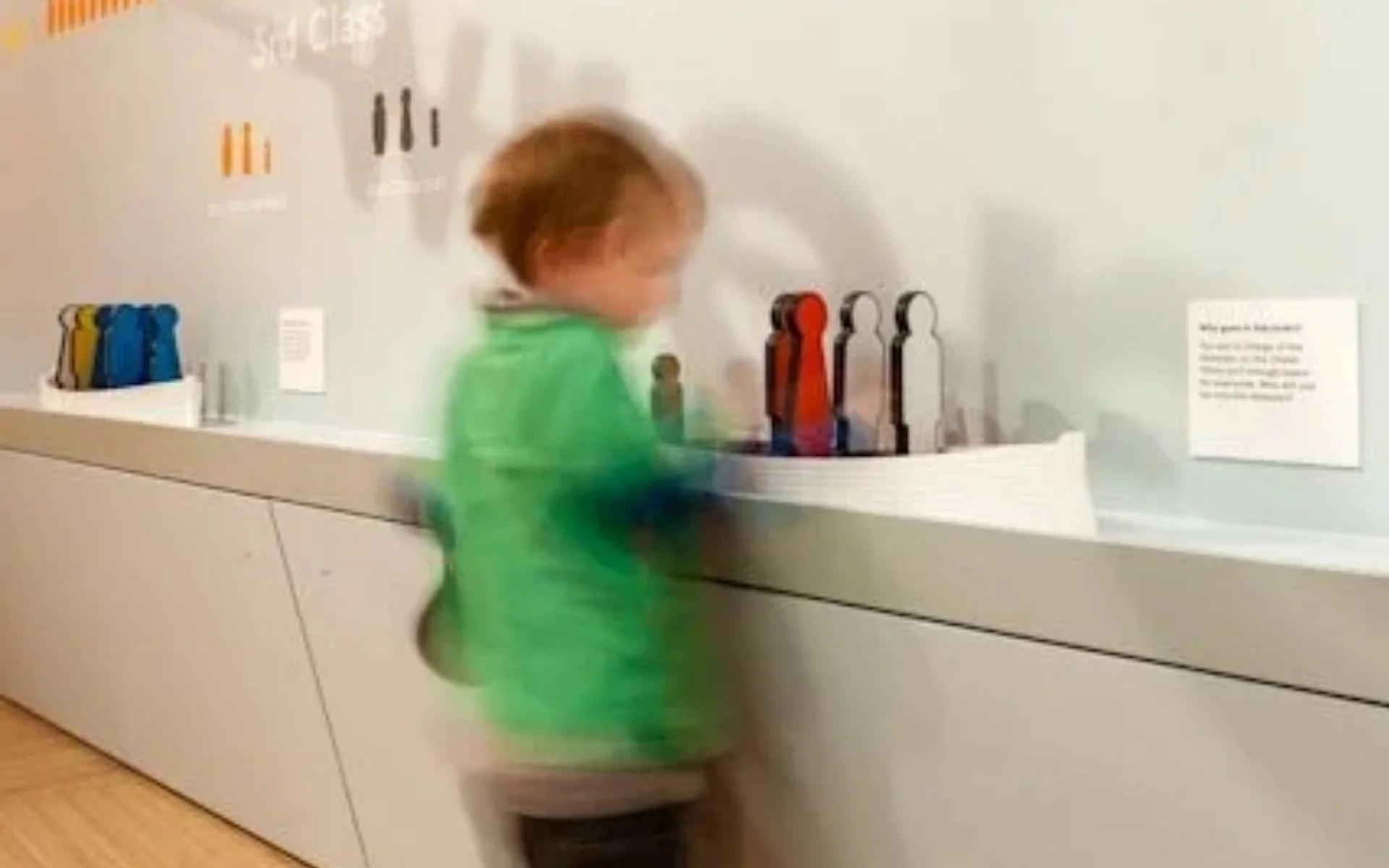
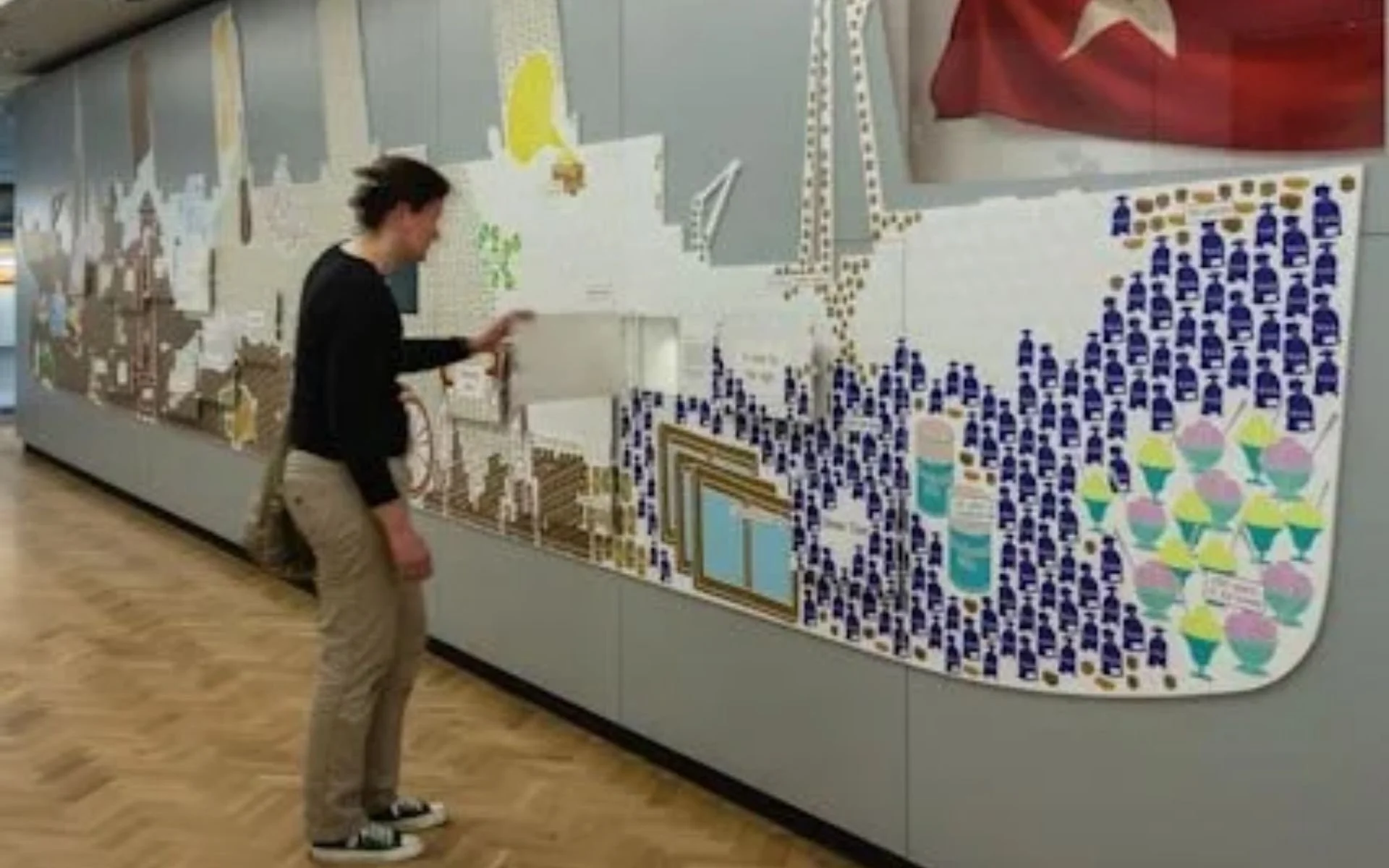
We briefed and integrated the full range of gallery elements: spectacular interactive graphics allowing visitors to explore the ship; innovative infographics conveying the extraordinary scale and complexity of the crew's work below decks; commissioned illustrations and models; hands-on interactives; and an immersive AV recreating the inquest into the sinking.
Live testing with content partners and community groups before final delivery ensured the interpretation worked for the audiences it was made for.
-
The most resonant stories in any major historical event aren’t usually the famous ones.
Southampton's Titanic story belongs to the hundreds of ordinary working people from the town who boarded that ship as employees and never came home. Giving those lives back to their city was the interpretive task that mattered most.
The continuous present tense is one of the most powerful and underused tools in interpretive writing.
It makes history immediate, urgent and human in a way that past tense narration simply cannot achieve. It was not a stylistic choice on this project, it was a narrative decision that drove everything forwards.
-
Client: Southampton City Council
TGA: Narrative Masterplanning, Interpretation Planning, Content Development, Design Integration
Partners: Urban Salon (Design), Newangle Productions (Media), Woods McGrath (Graphics), Paragon (Interactives)