Design Museum London Transformation
Interpretation Strategy, Collections Lab and Permanent Collection Displays
Working with one of the world's great design museums find a new voice for a new home.
-
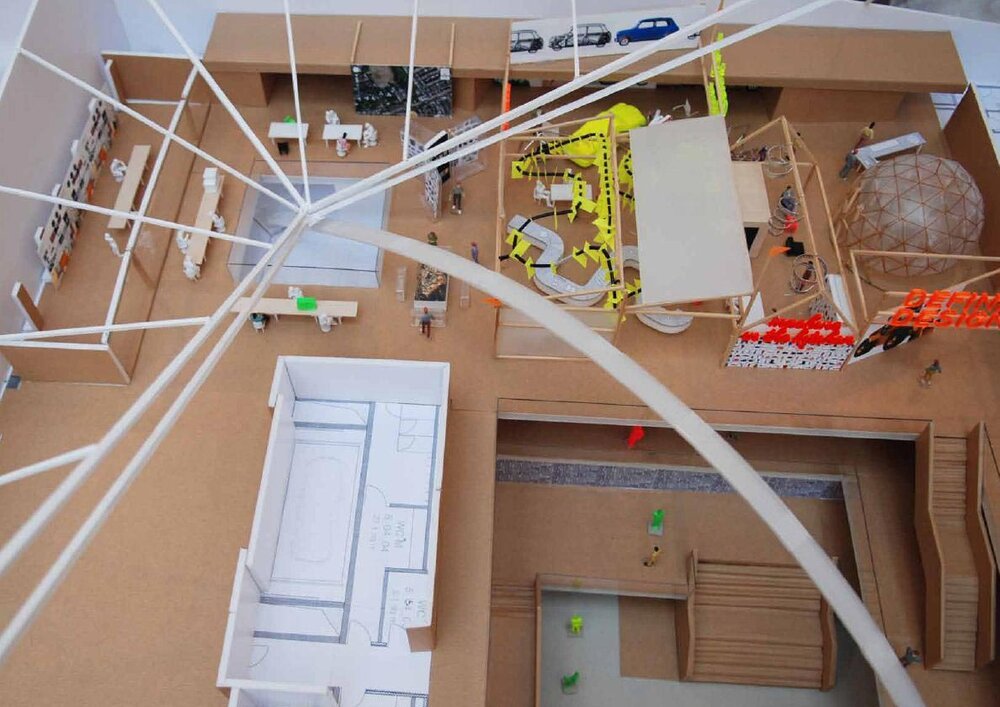
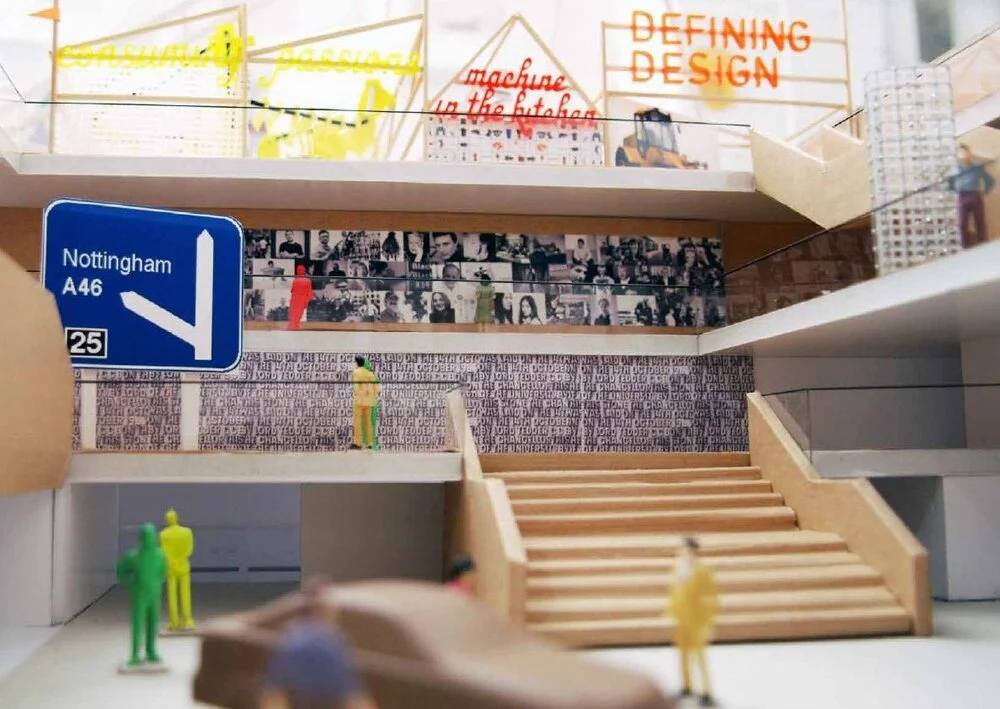
To develop the interpretation strategy and permanent collections display for the Design Museum London as it moved from Shad Thames to significantly larger premises in Kensington.
The move was not simply a change of location, it was a fundamental transformation in who the museum was for. A professional and specialist audience was giving way to a broad public one, and the museum needed to find a new way of speaking that could make the story of design more widely accessible, relevant and engaging.
Narrative Development | Interpretation Planning | Content Development | Audience Testing | Interpretation Toolkit Development | Workshop Facilitation -
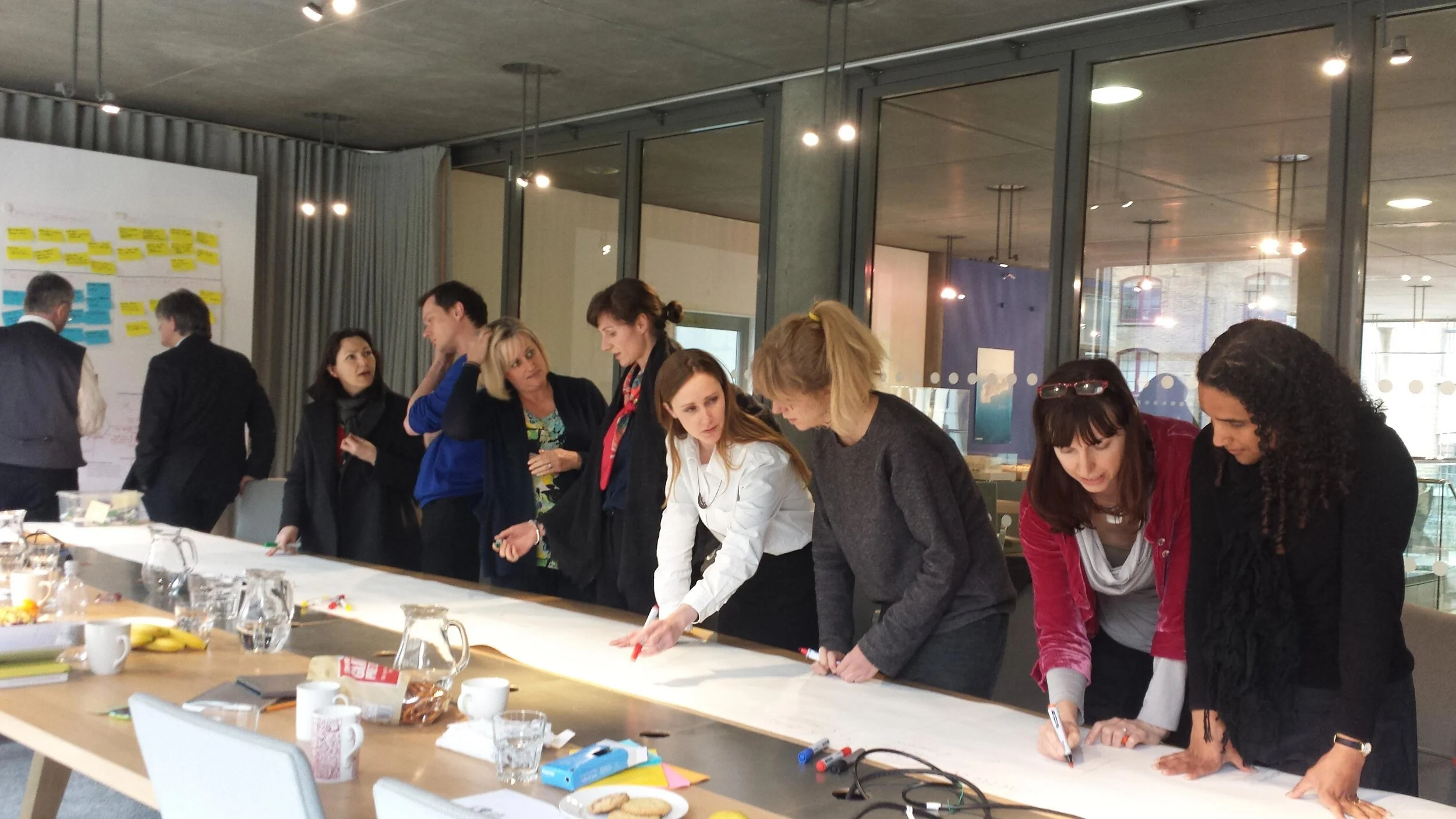
We began with an extensive programme of workshops across the museum's different departments, bringing curatorial, education, communications and leadership teams together to develop a new narrative.
This was as much about internal transformation as external communication, helping people from across the institution find a common language for their project.
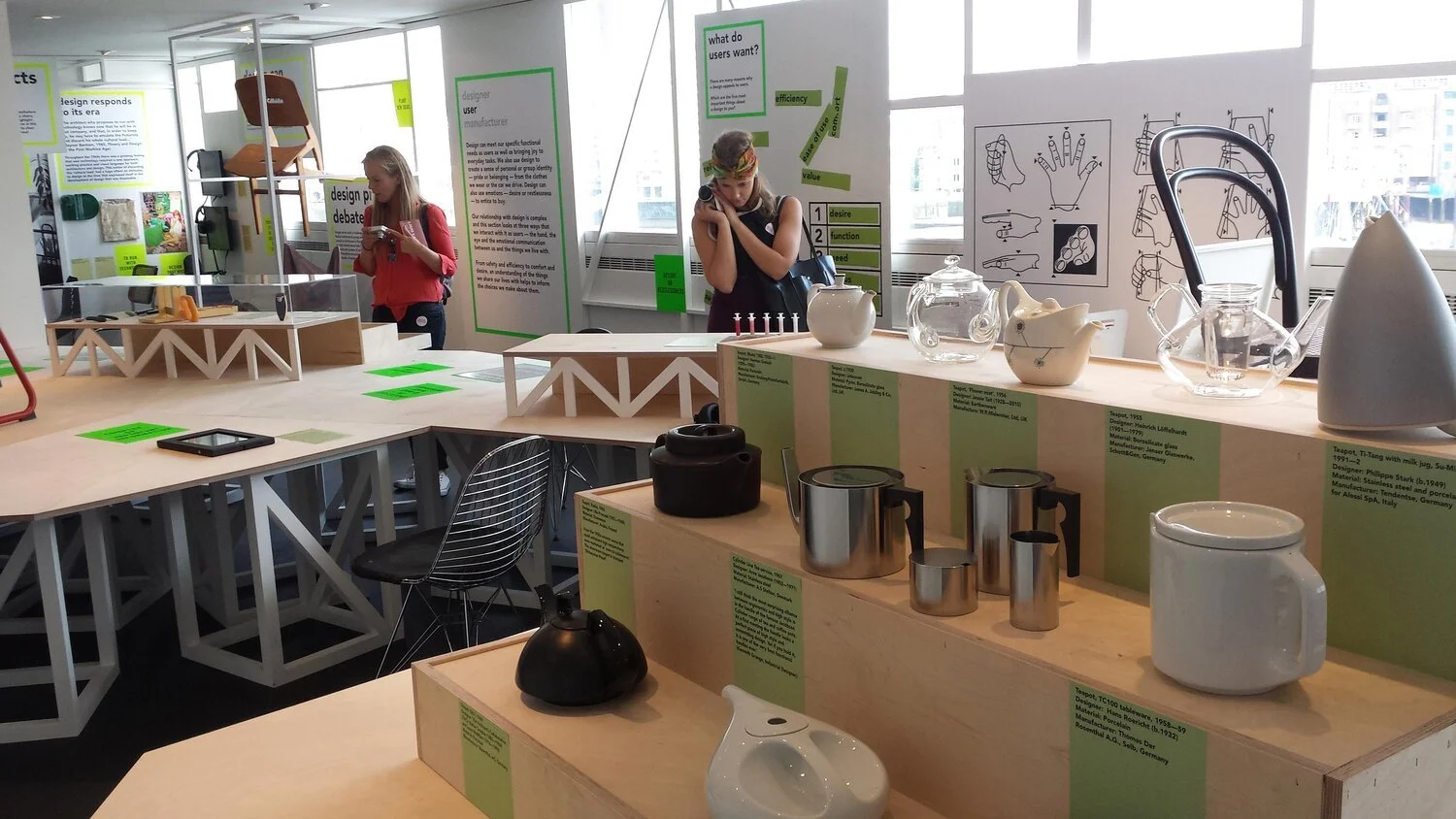
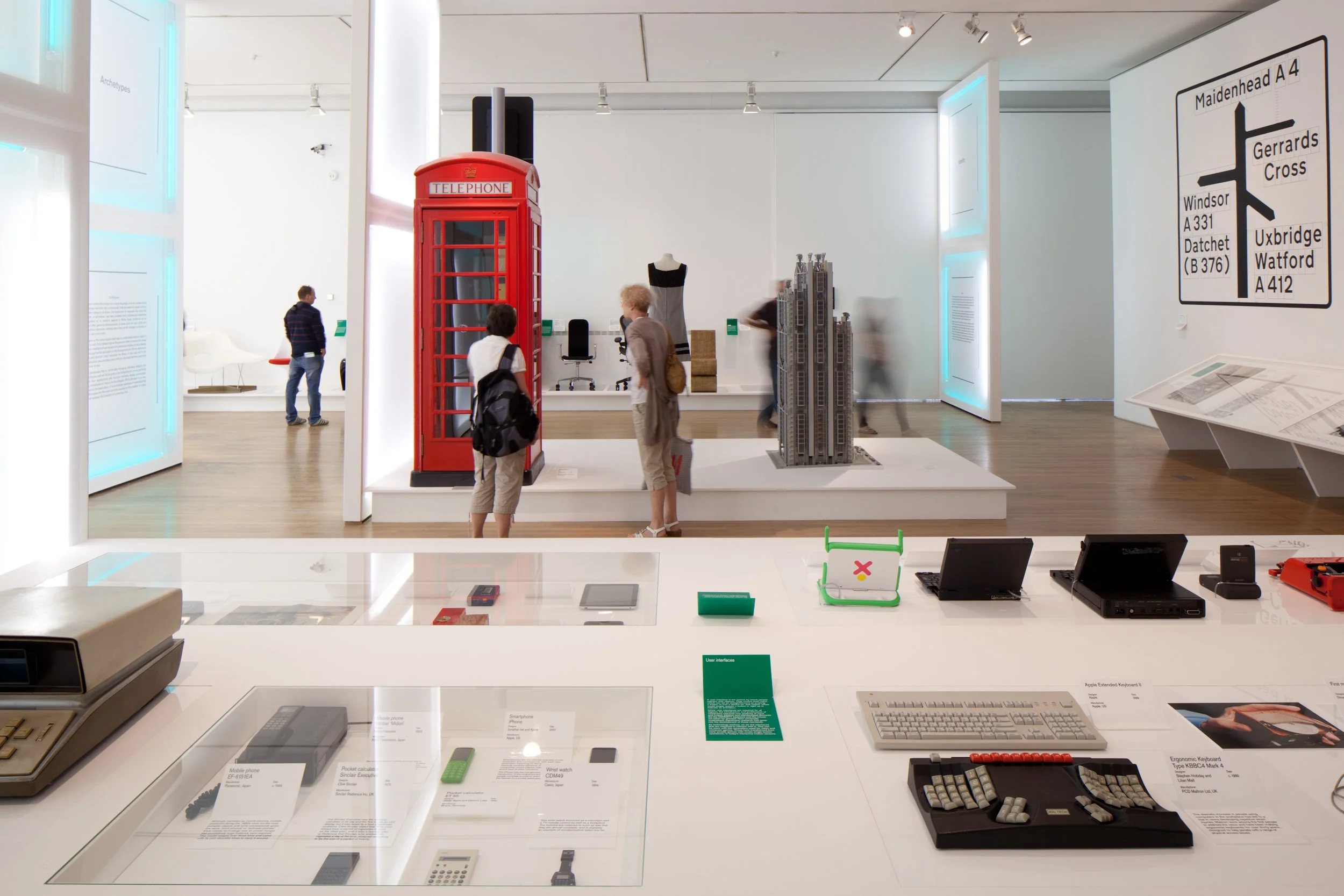
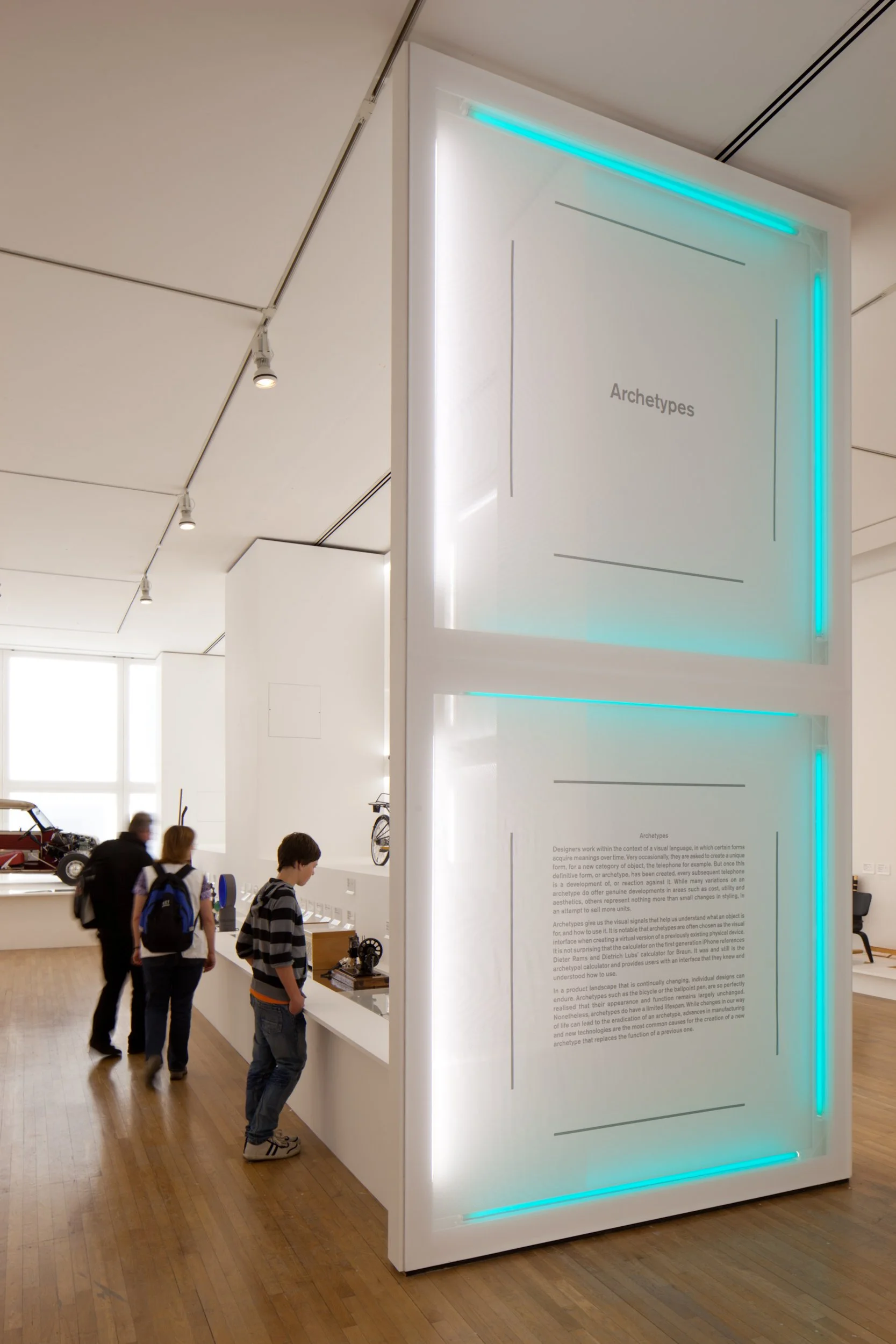
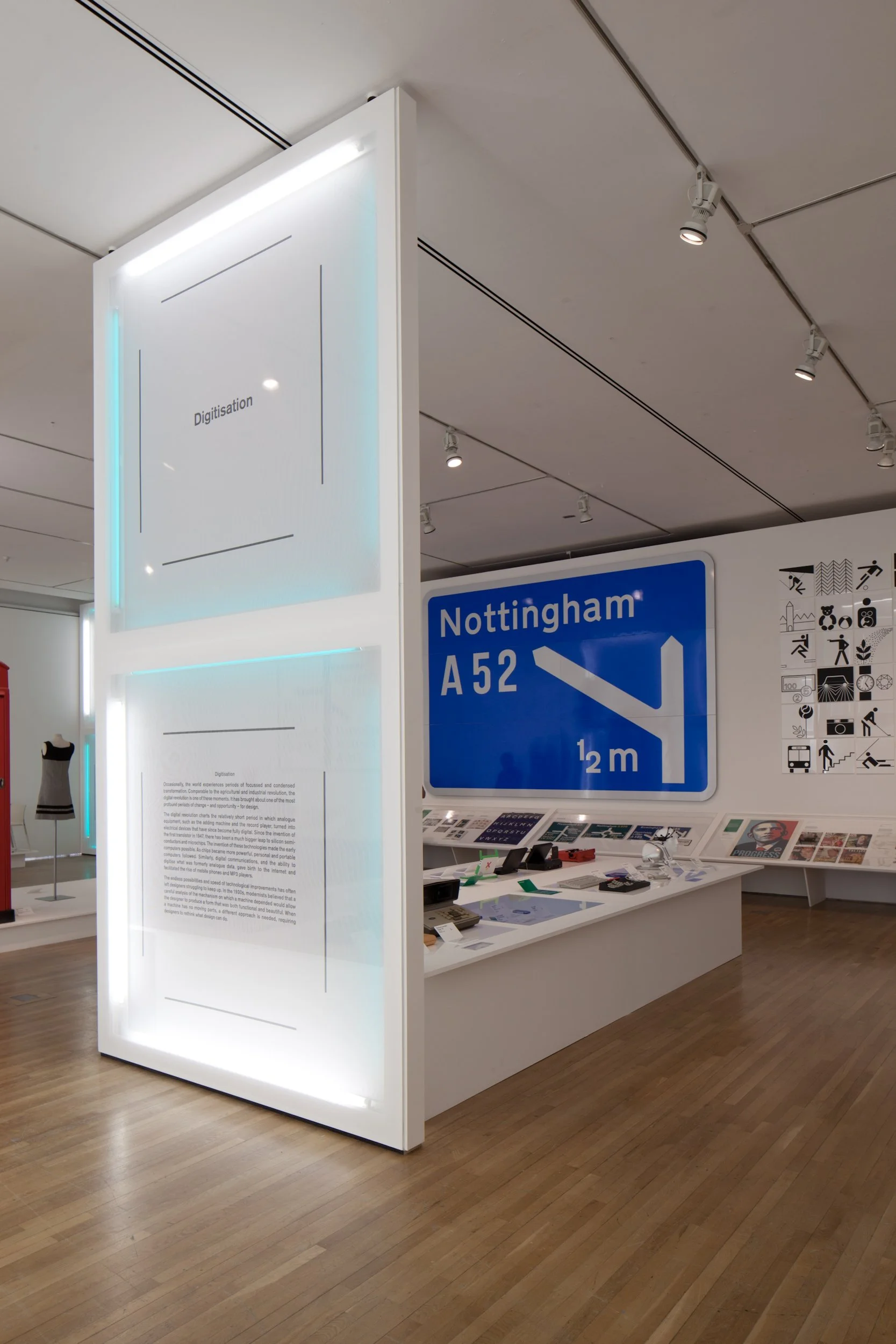
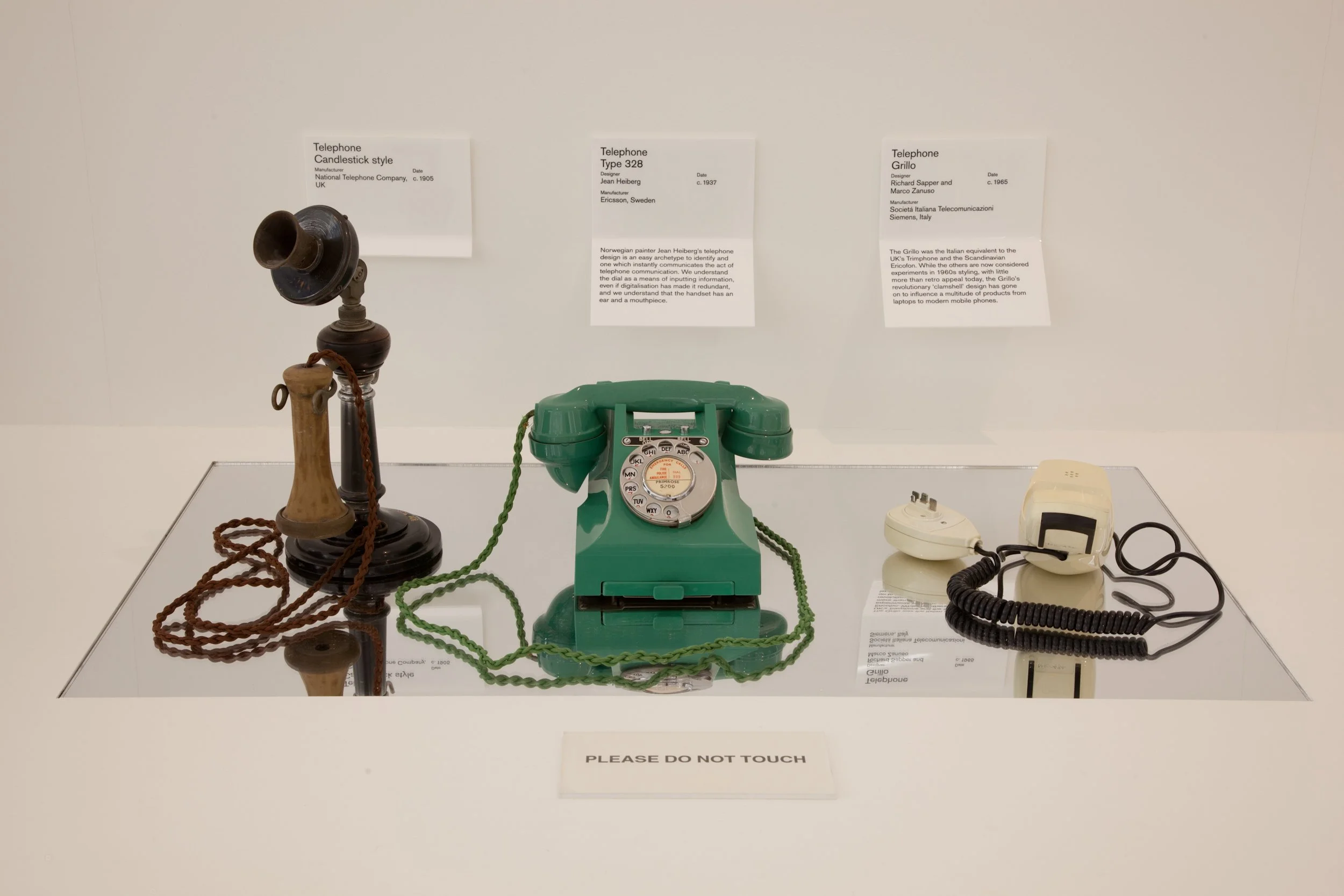
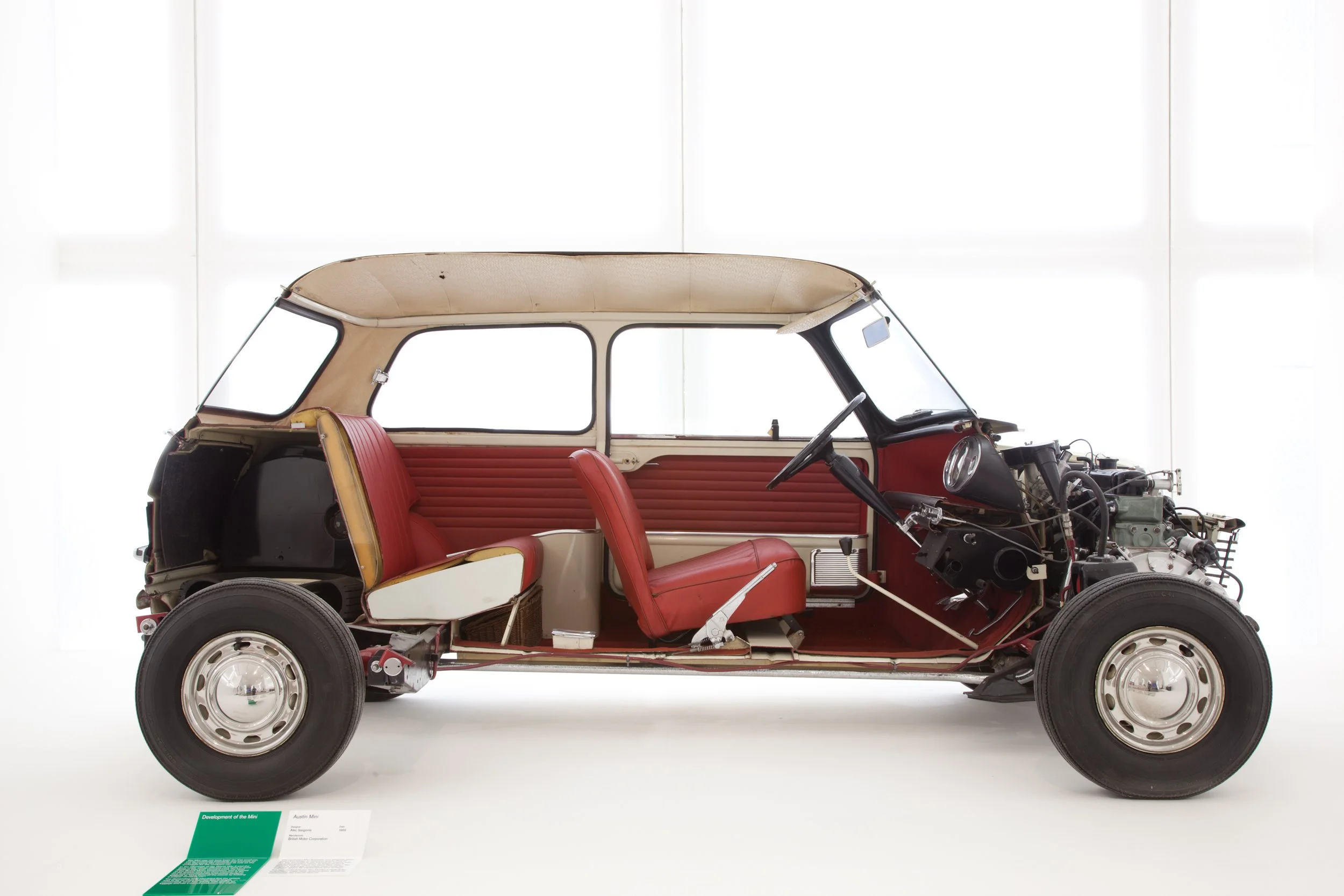
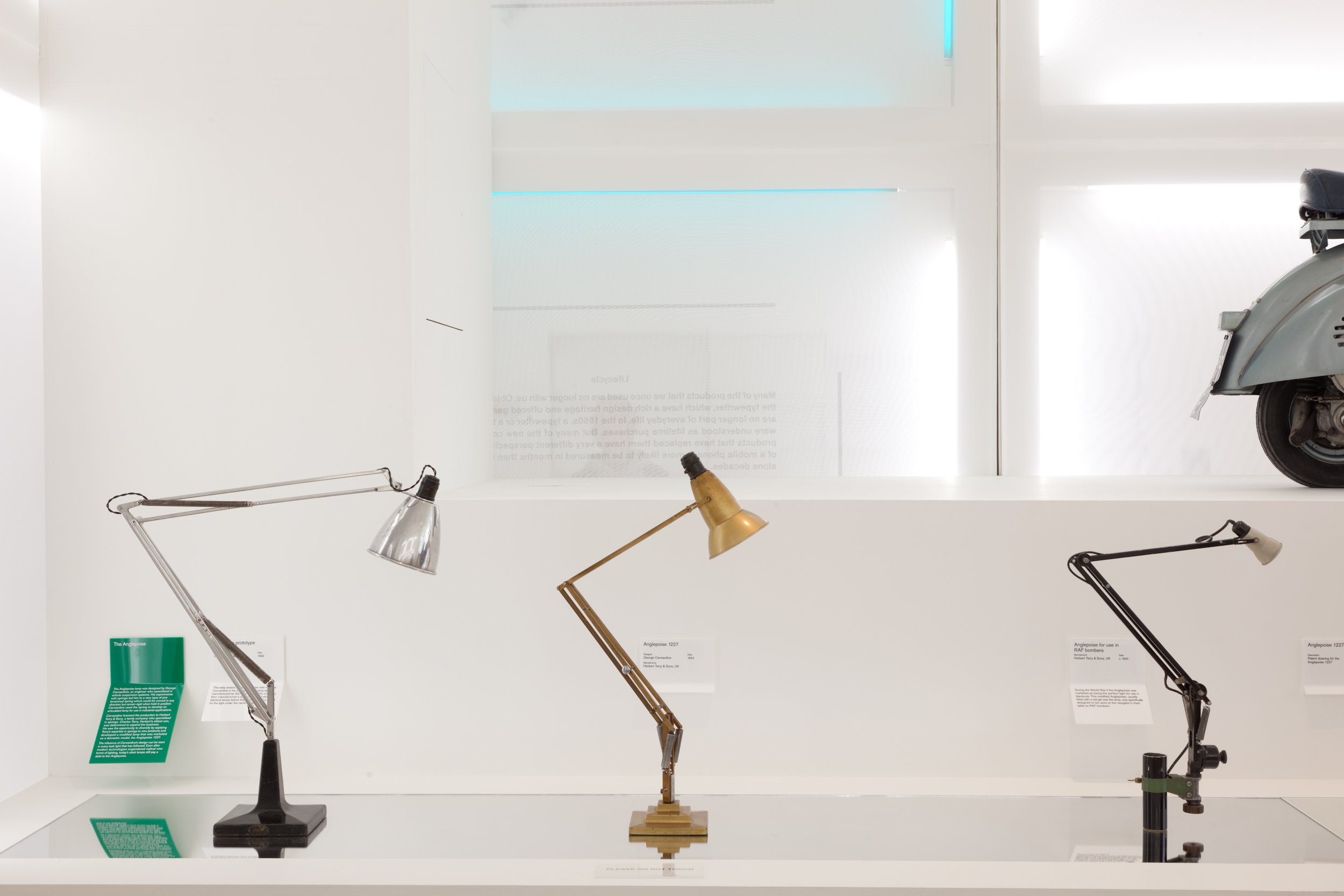
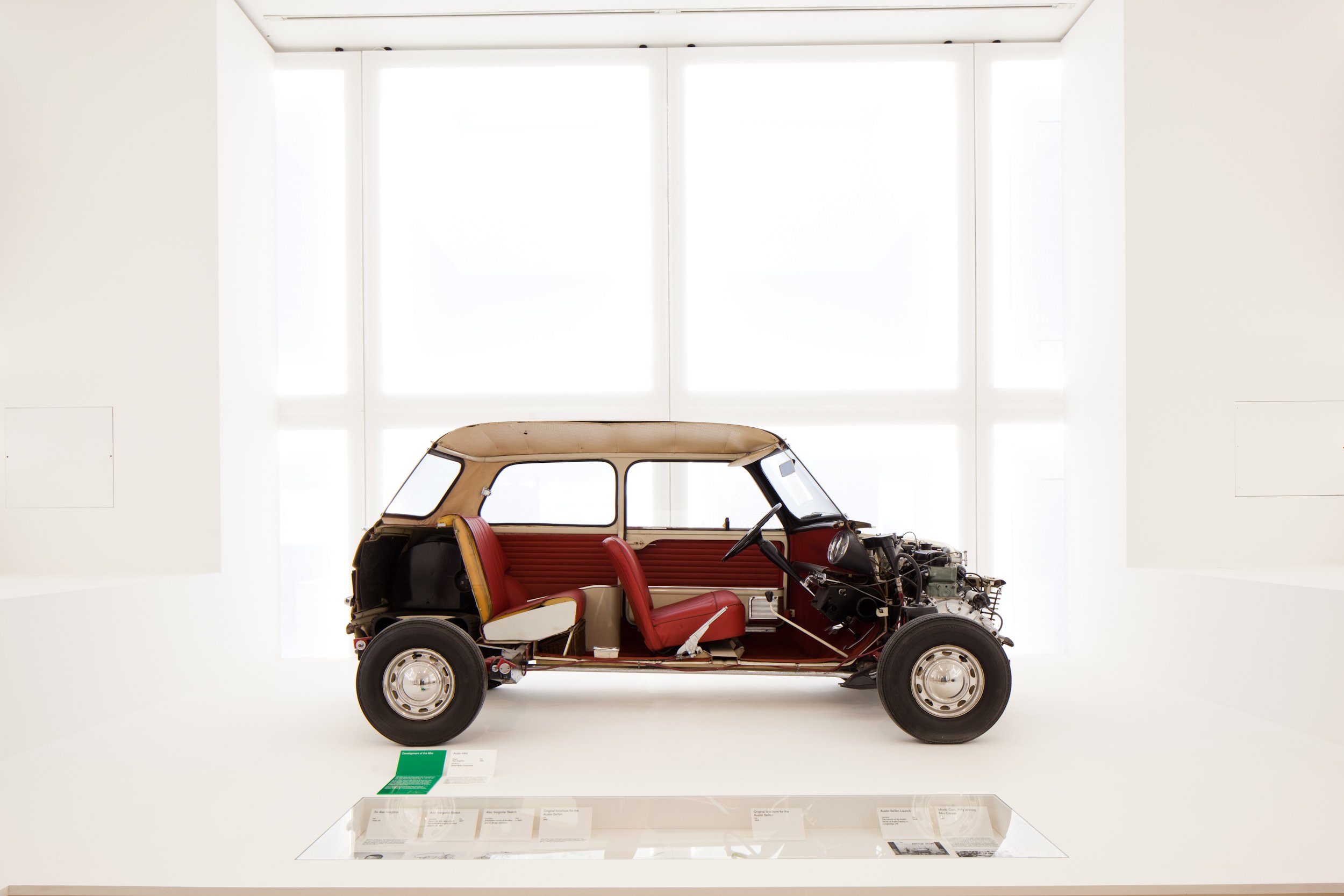
From this foundation we developed the interpretation strategy for the permanent collections, based around the idea of ‘Designer – Maker – User.’
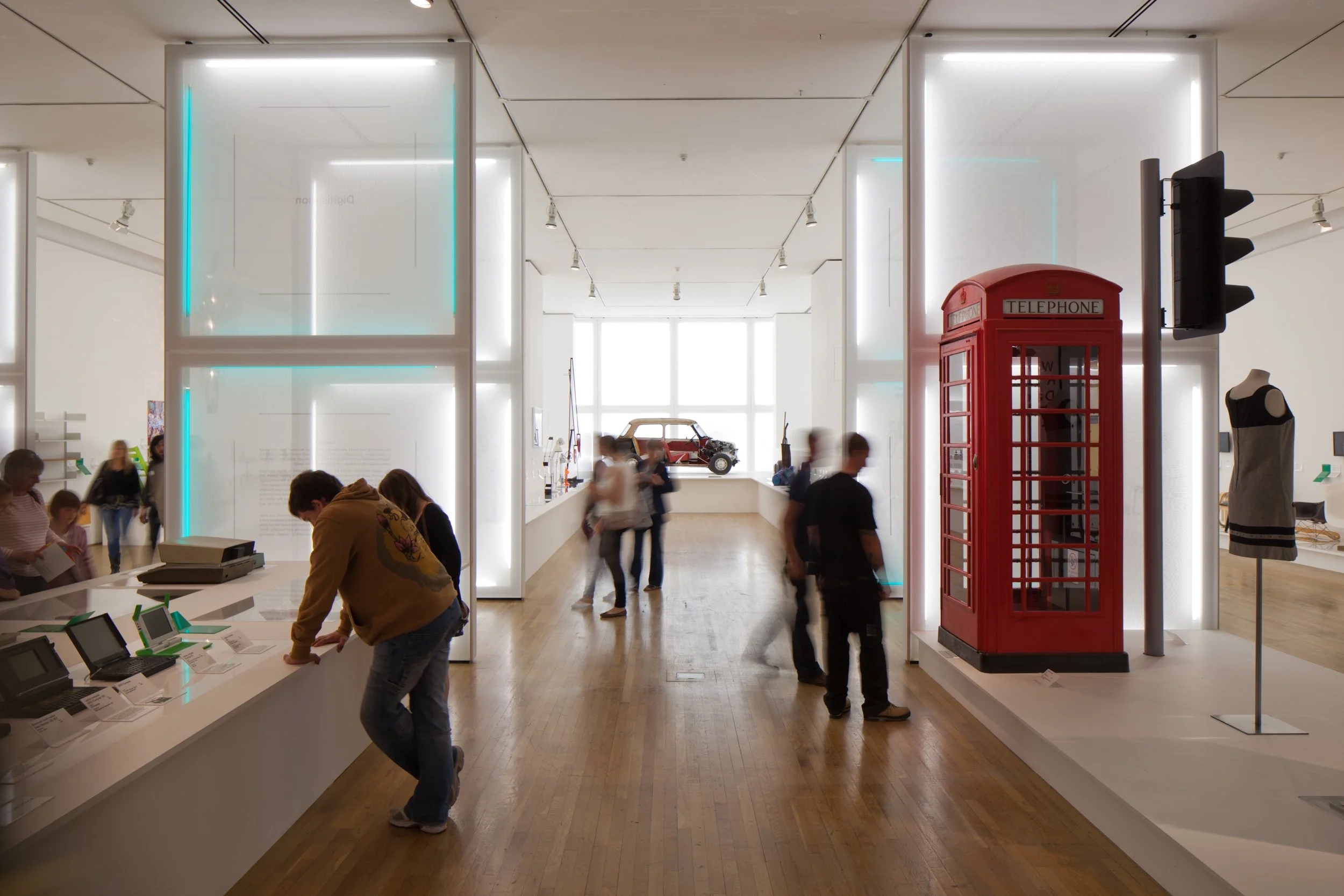
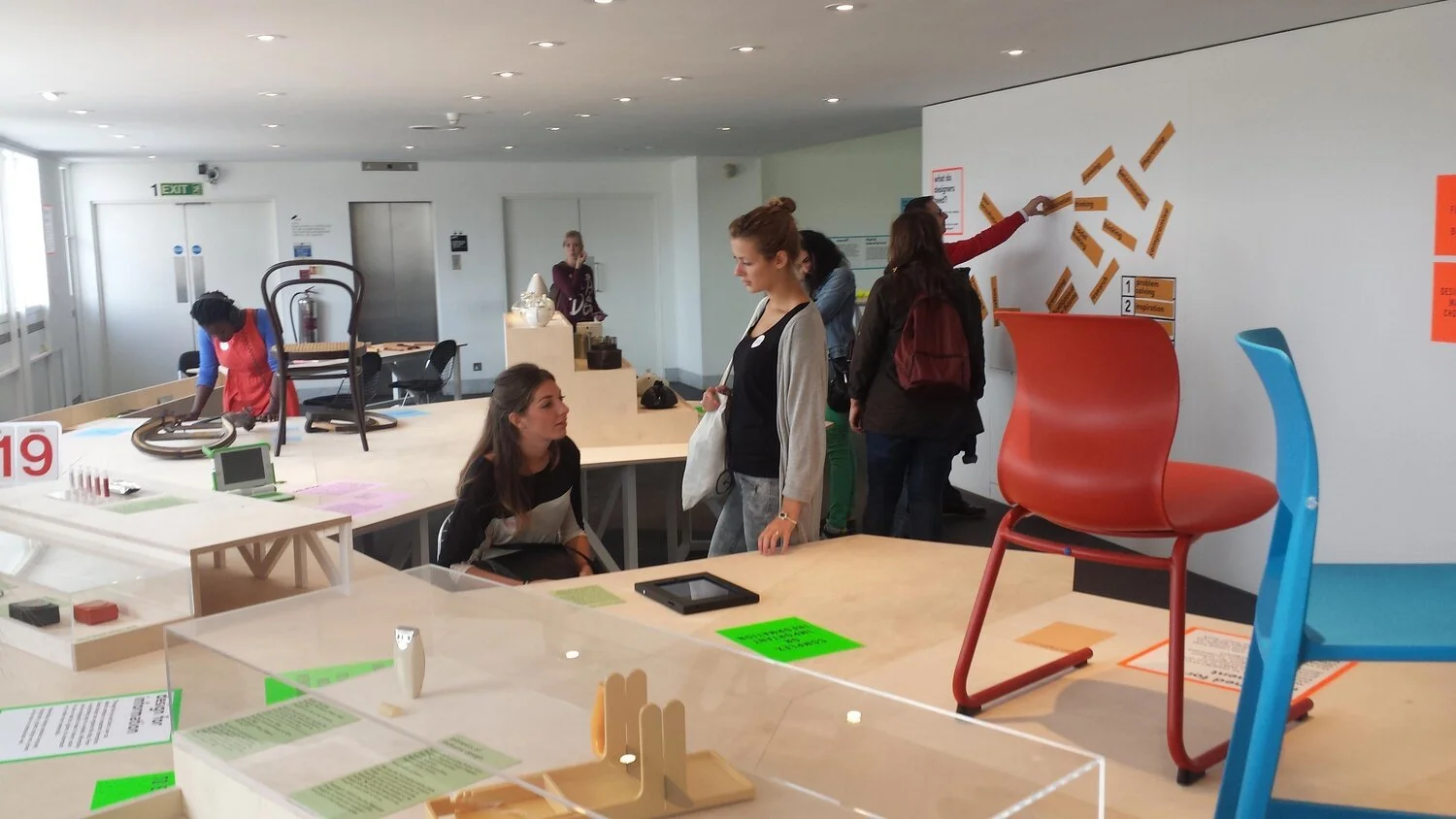
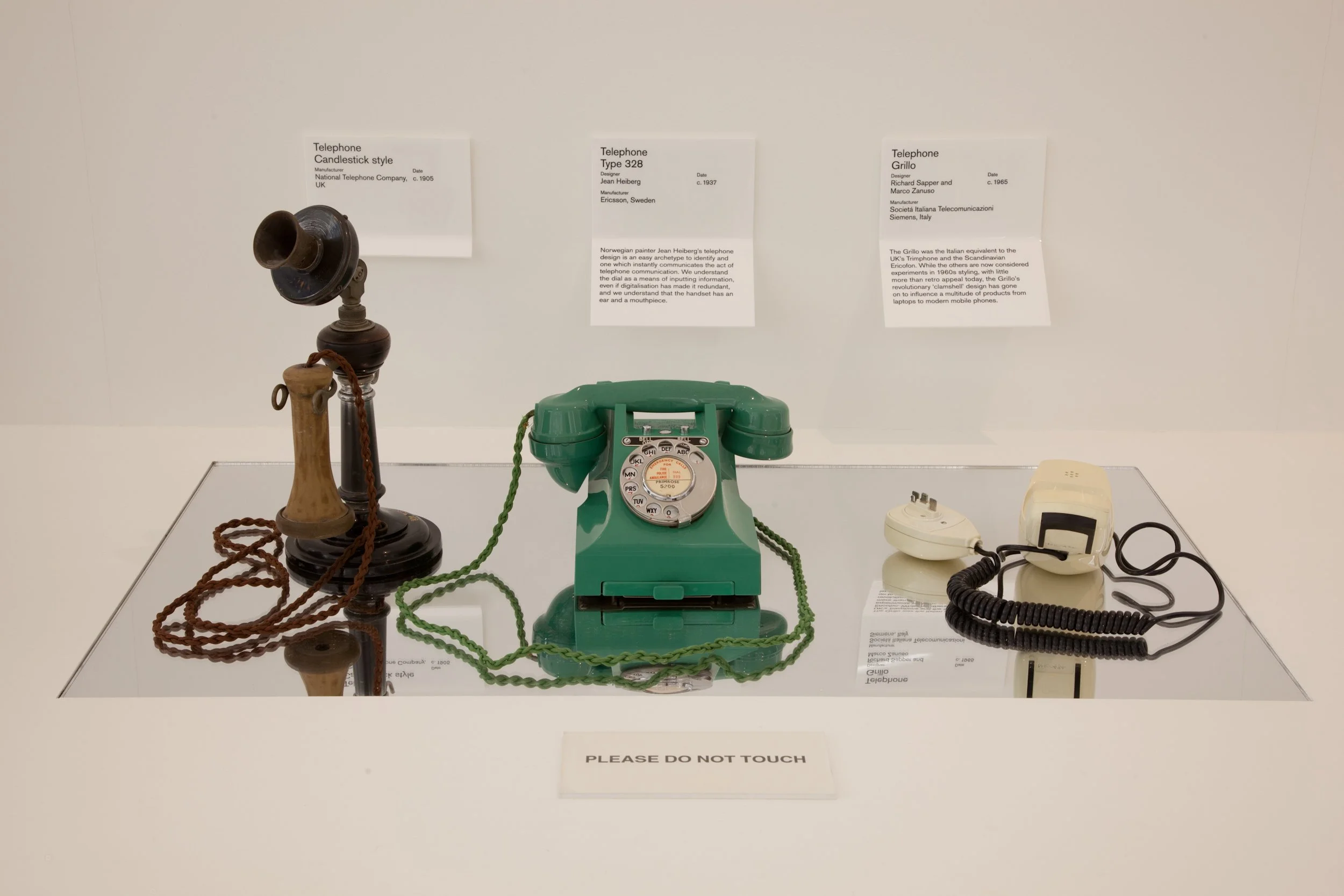
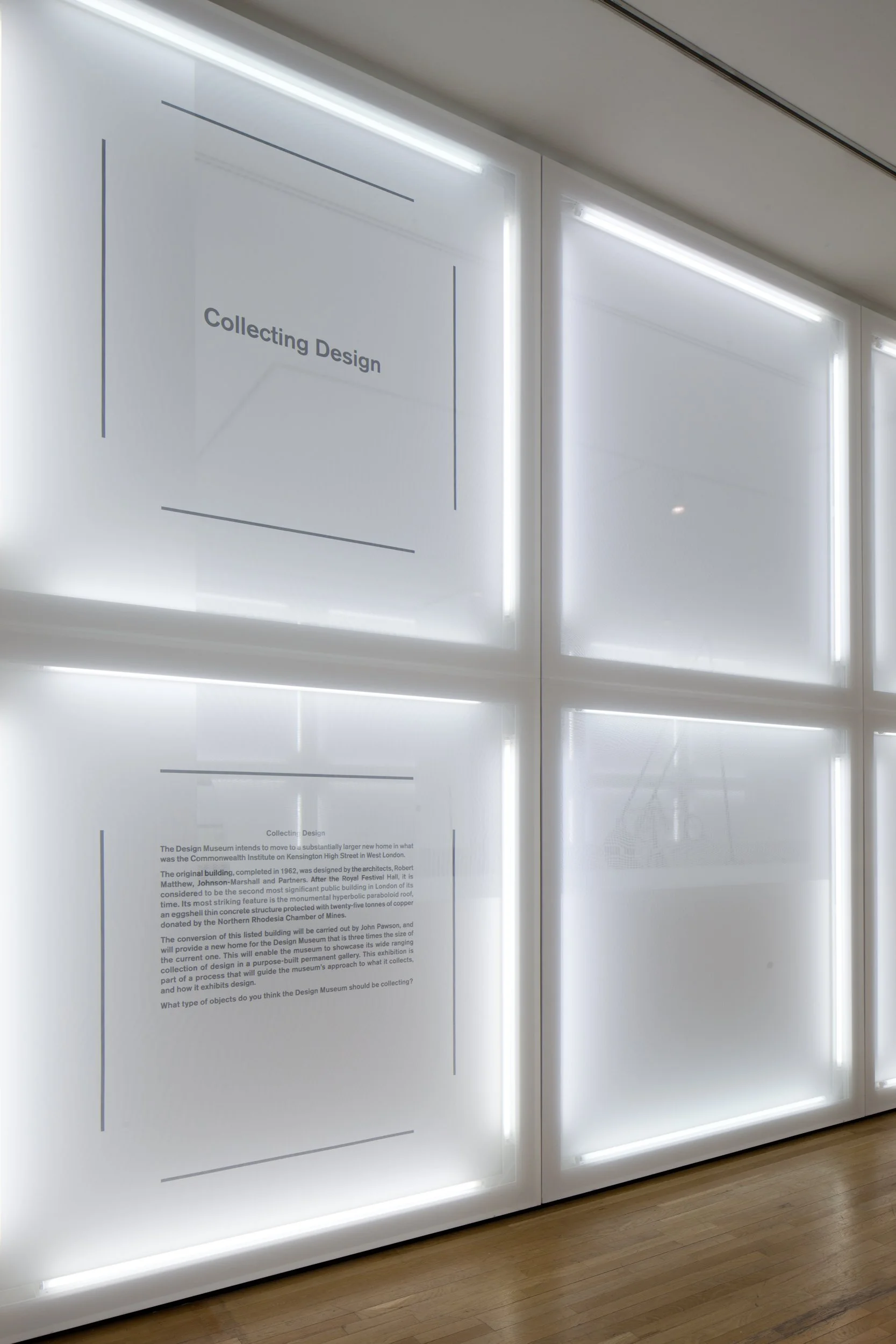
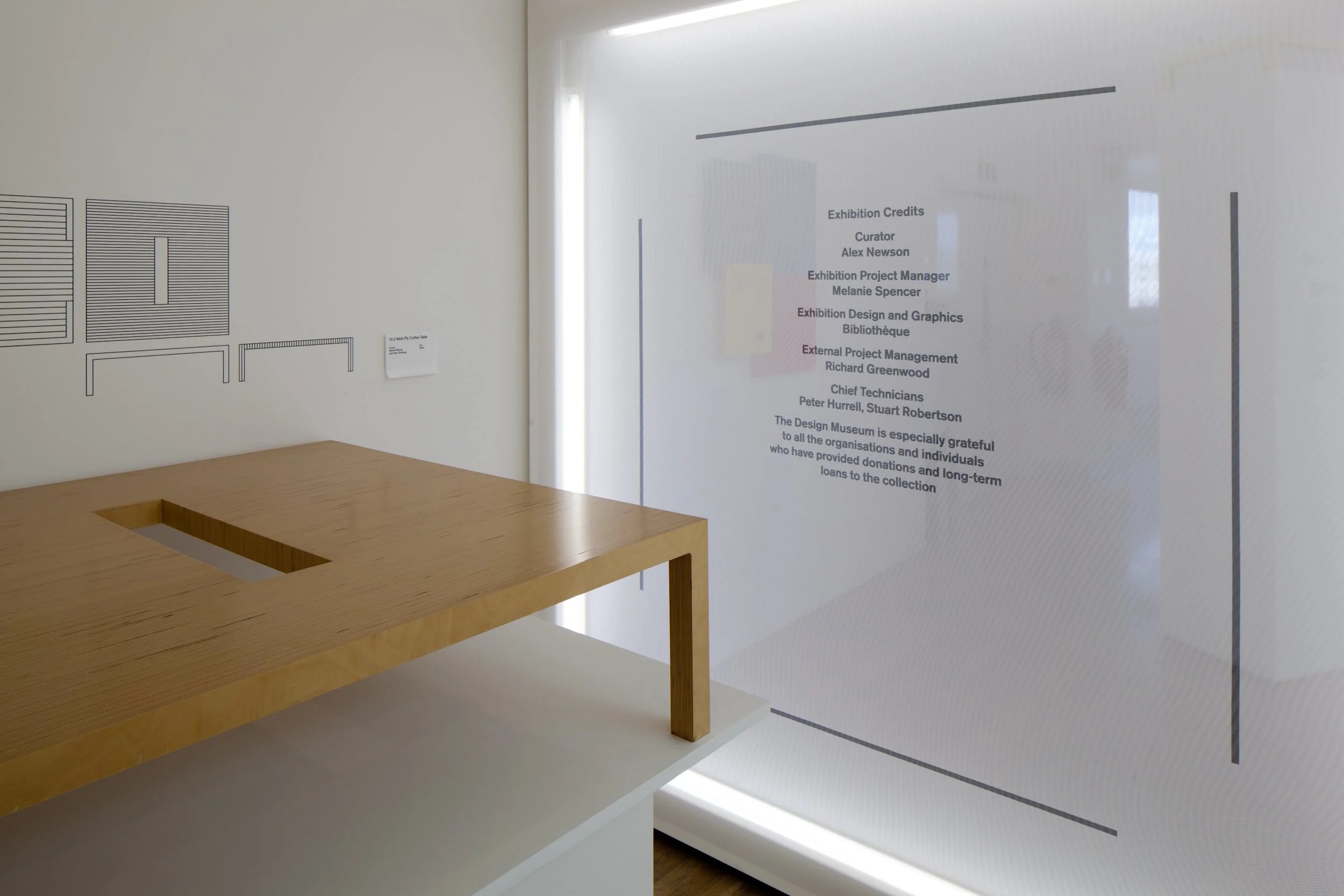
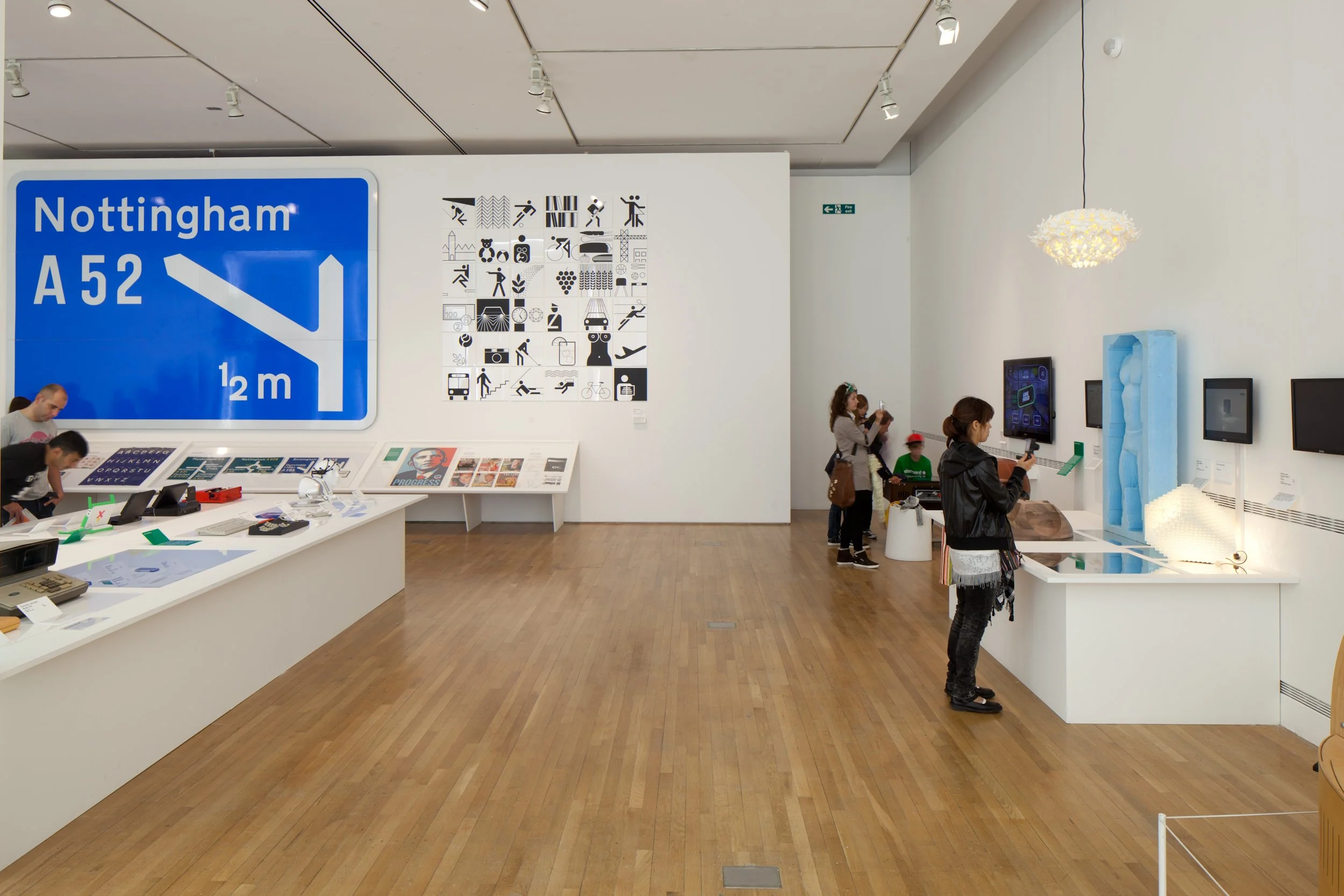
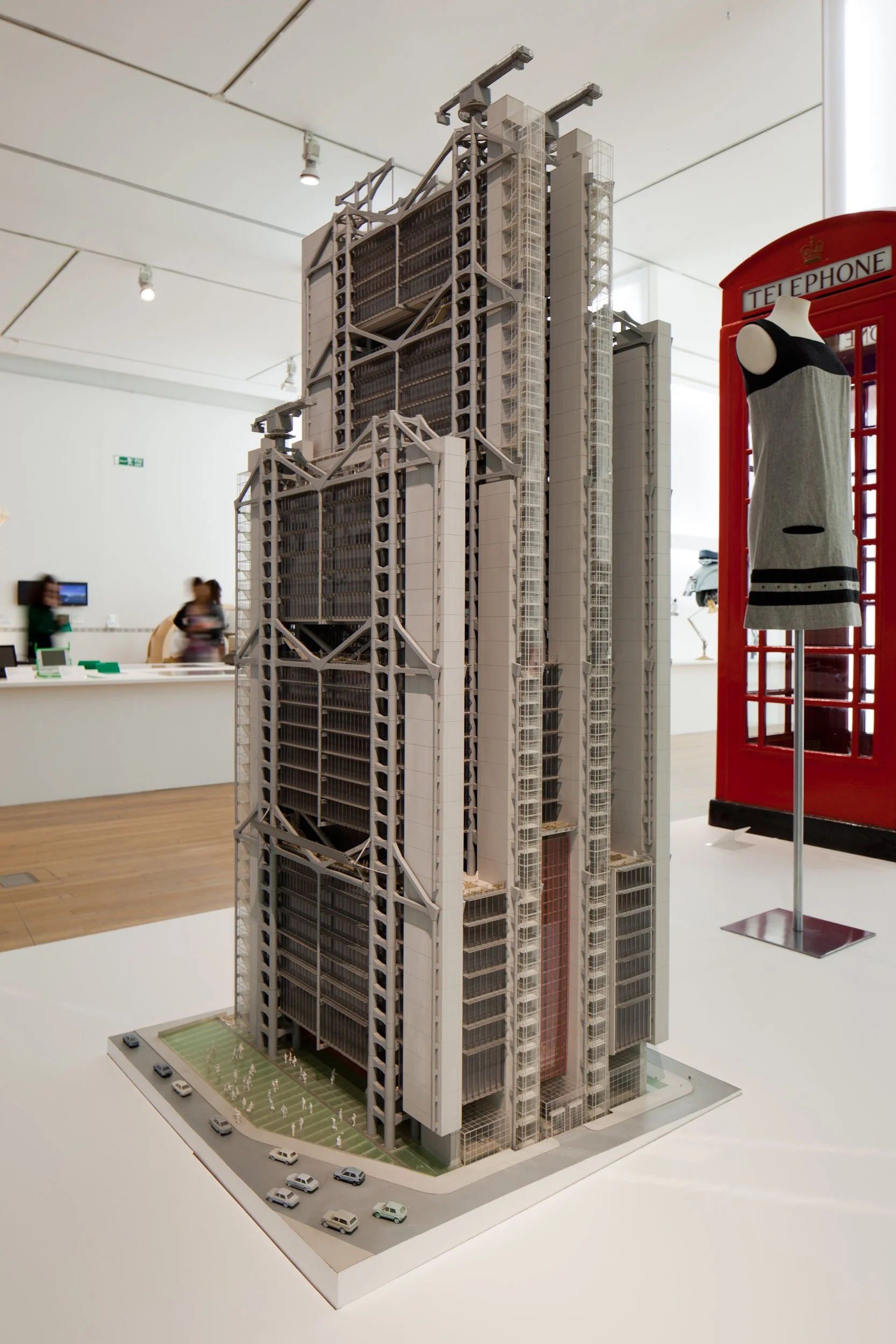
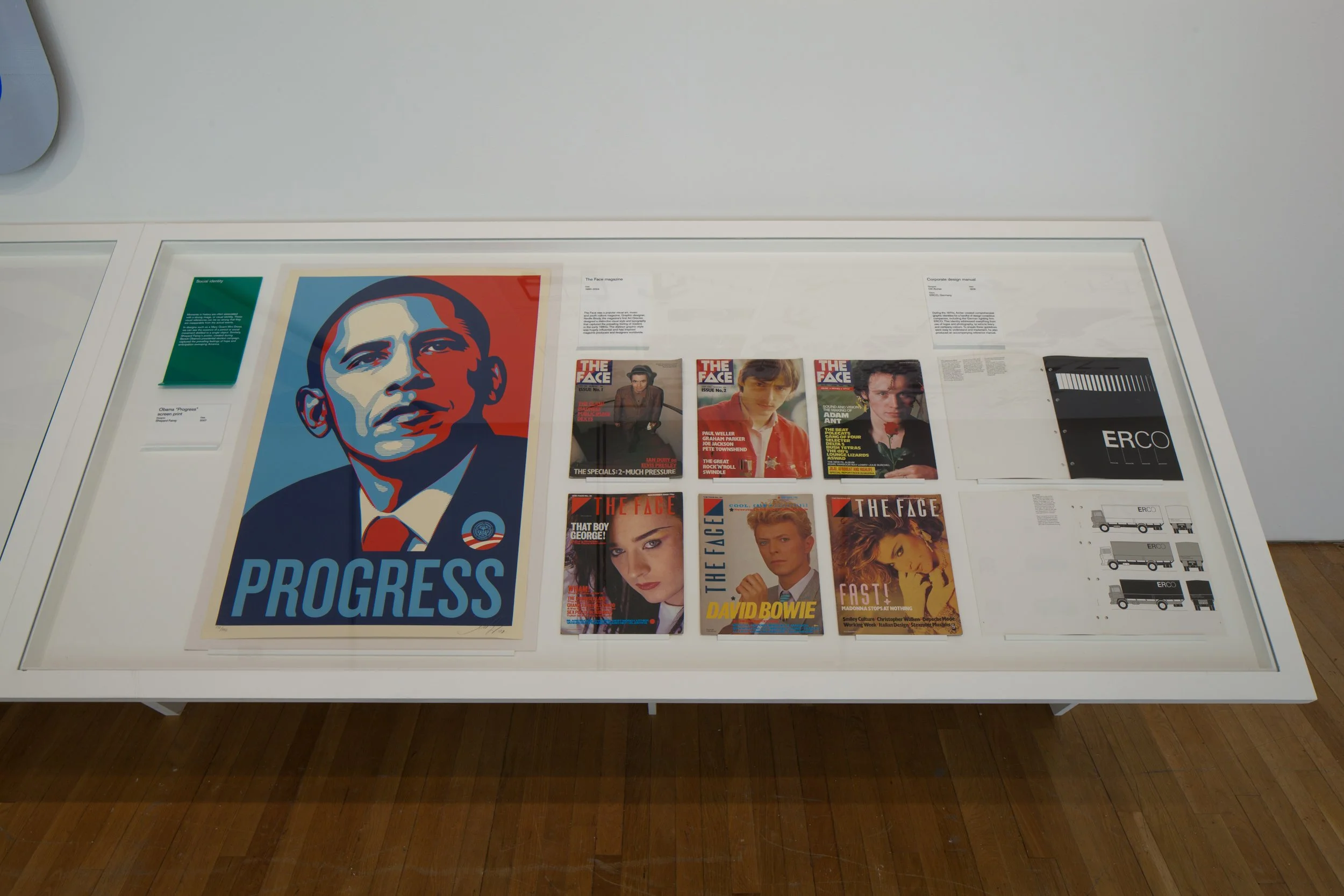
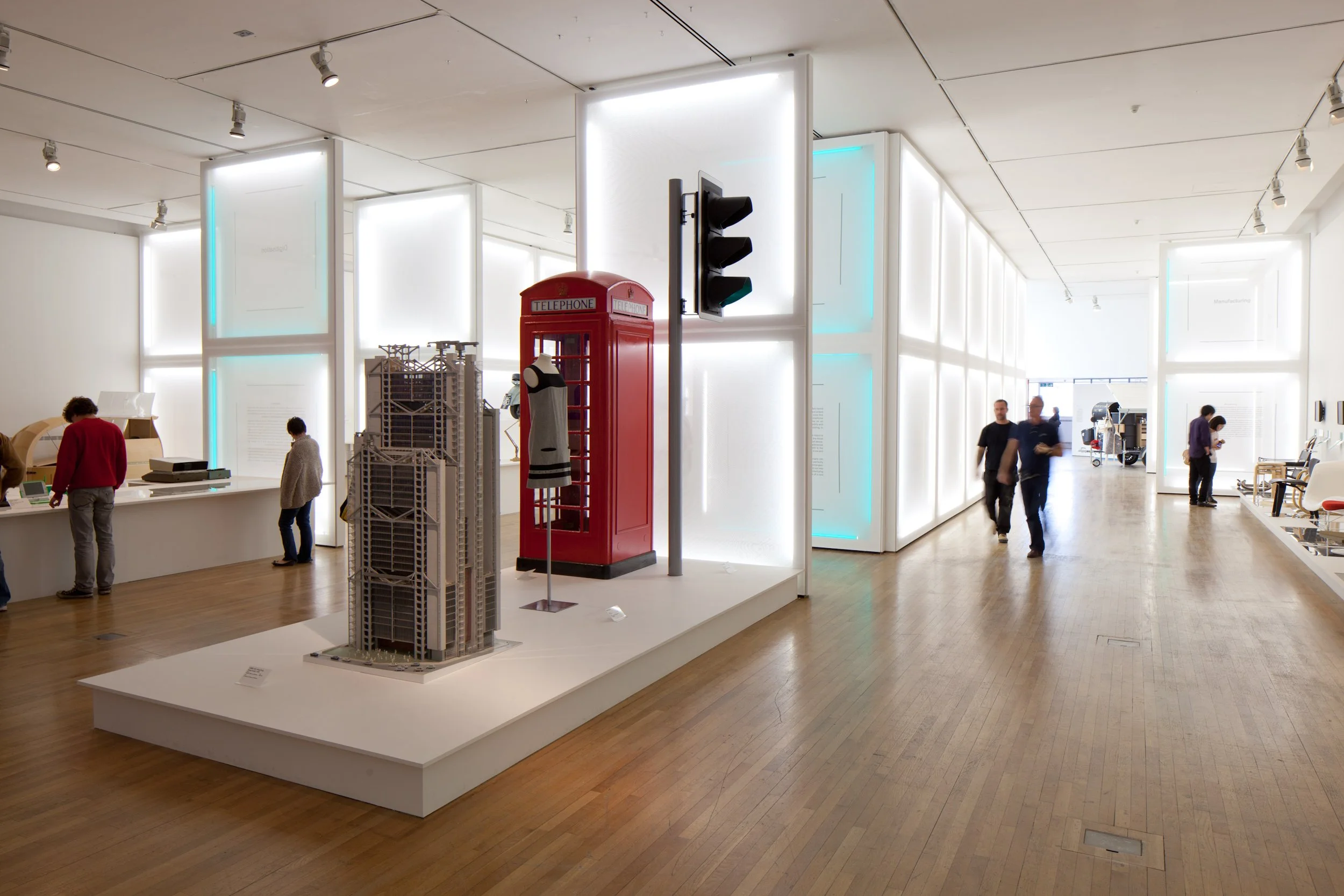
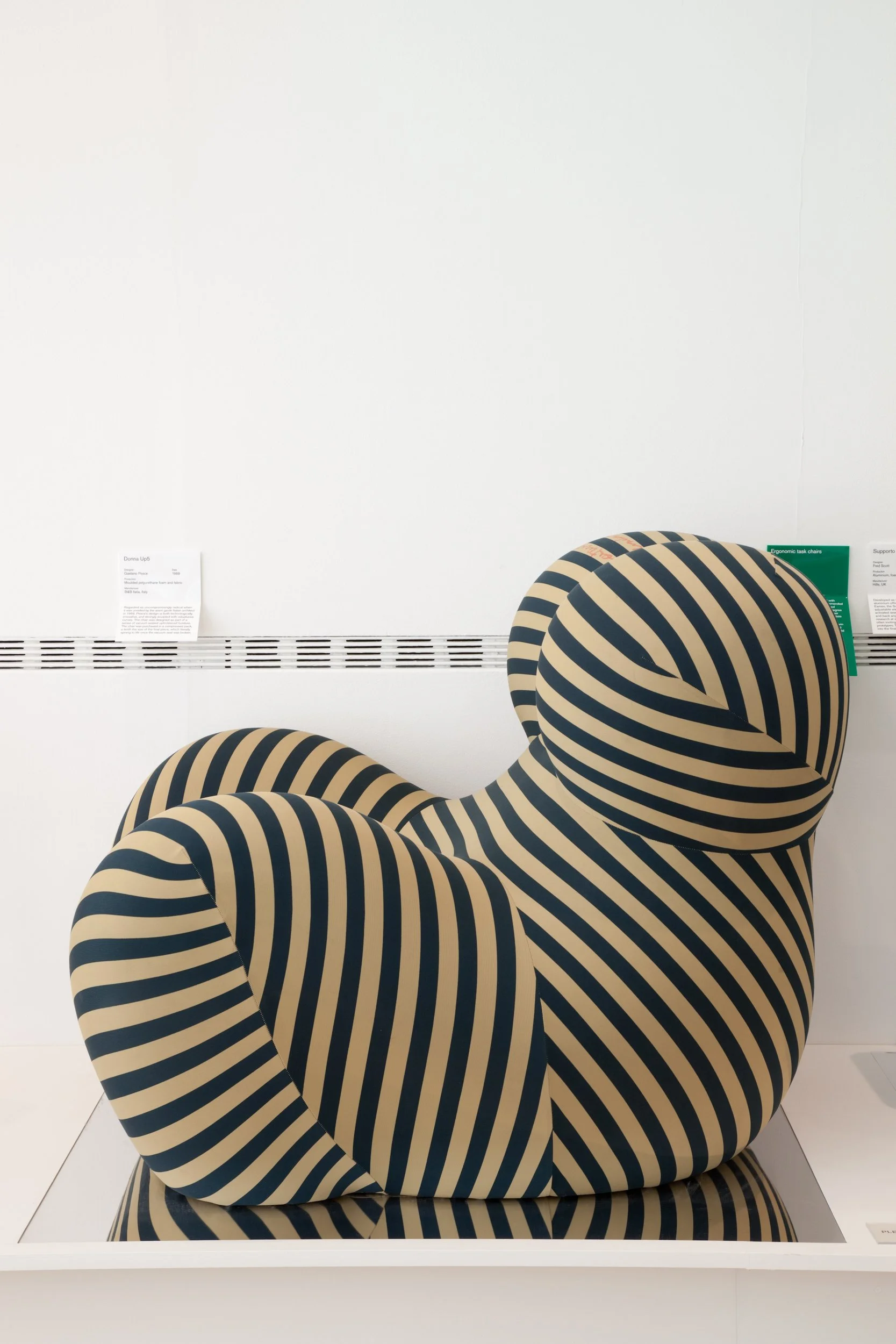
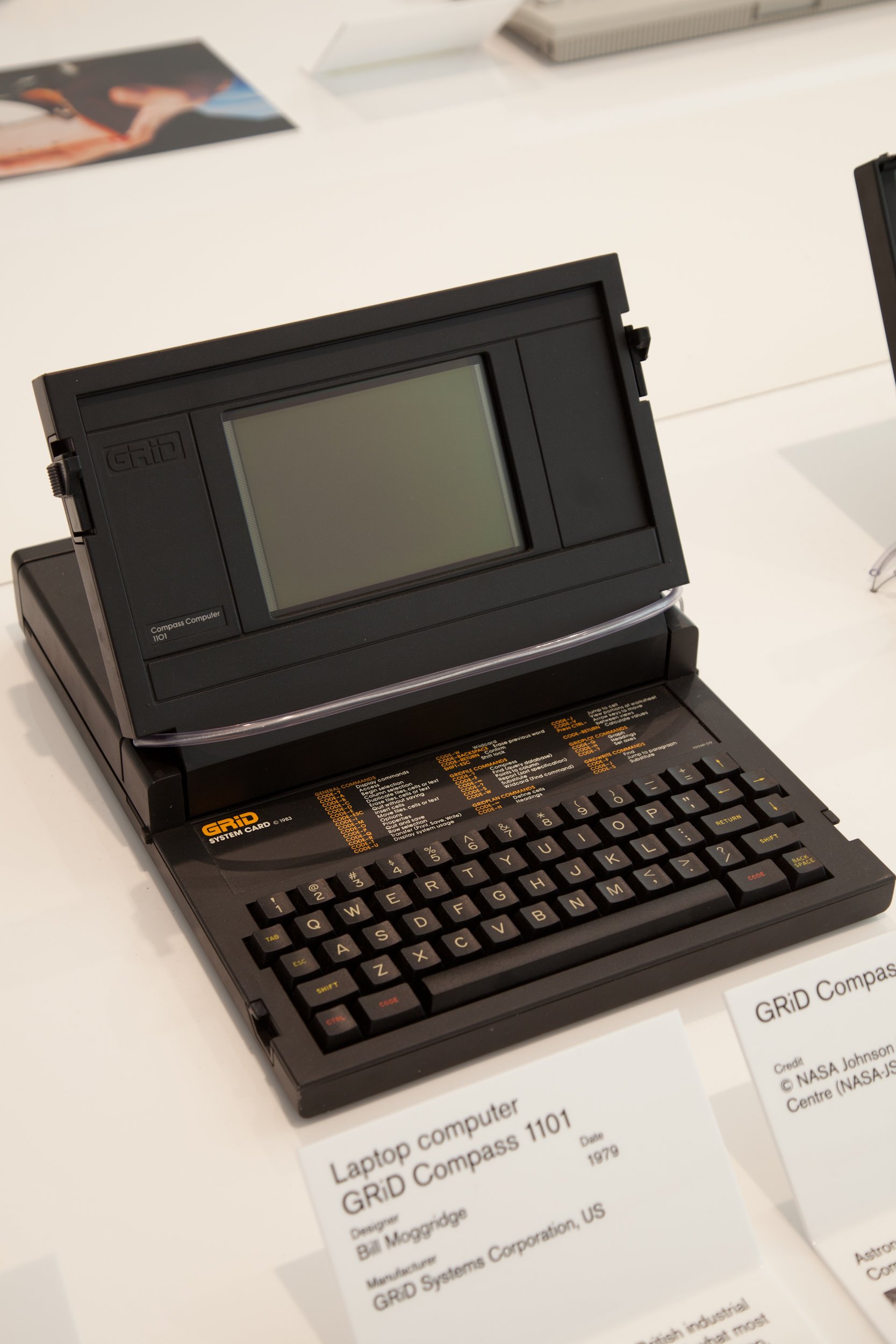
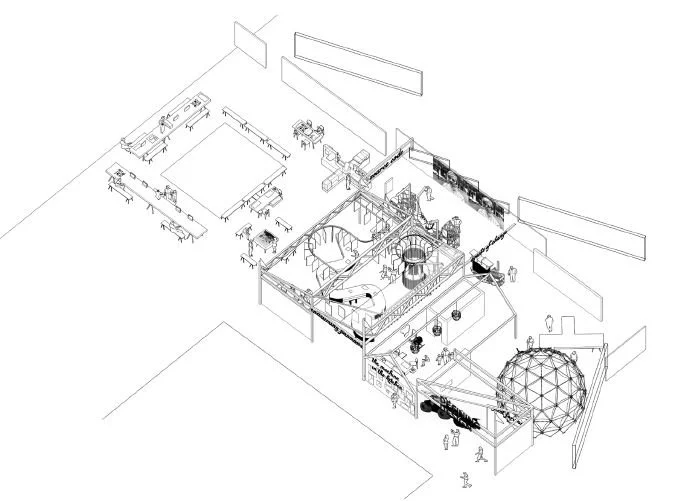
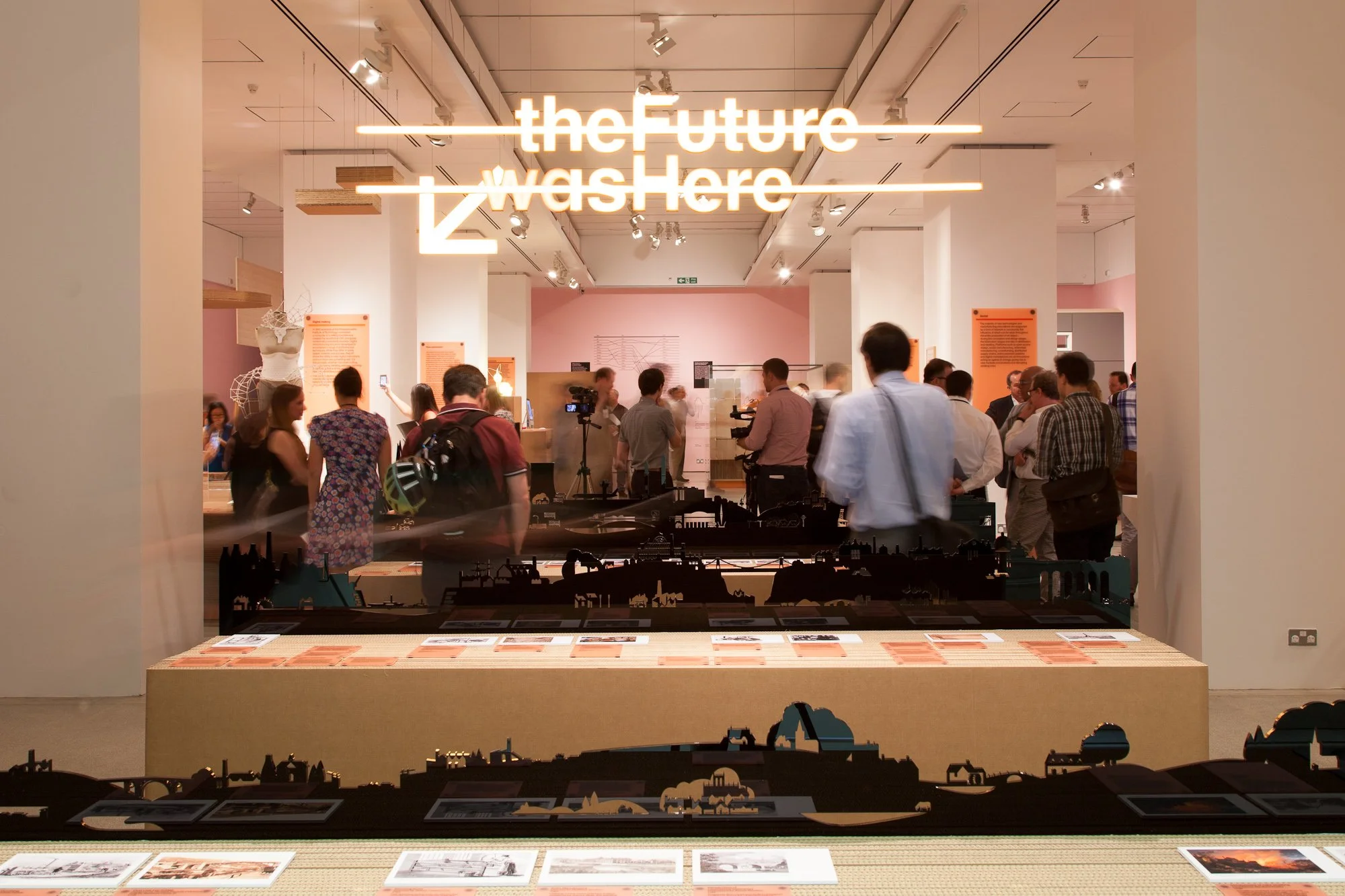
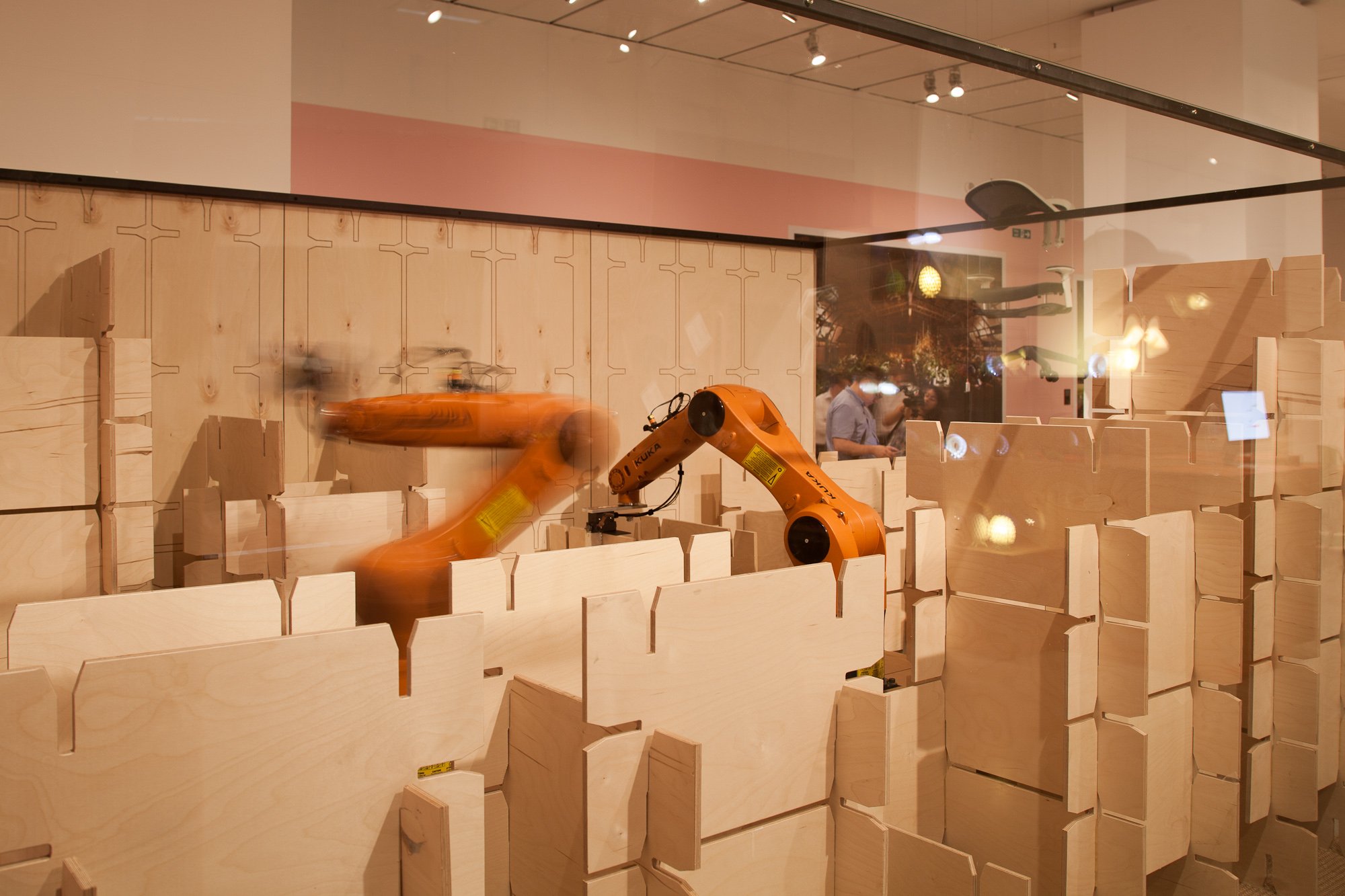
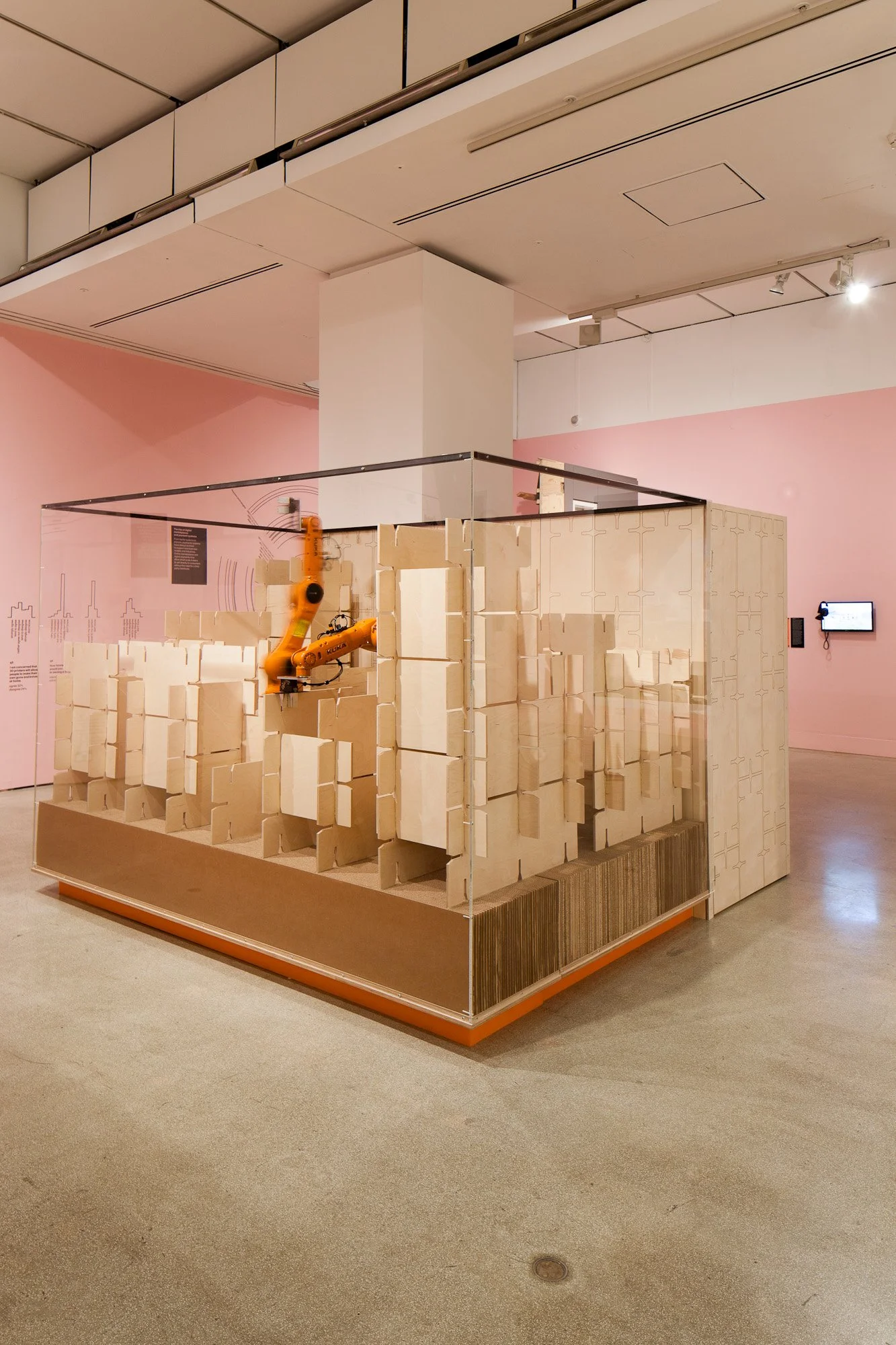
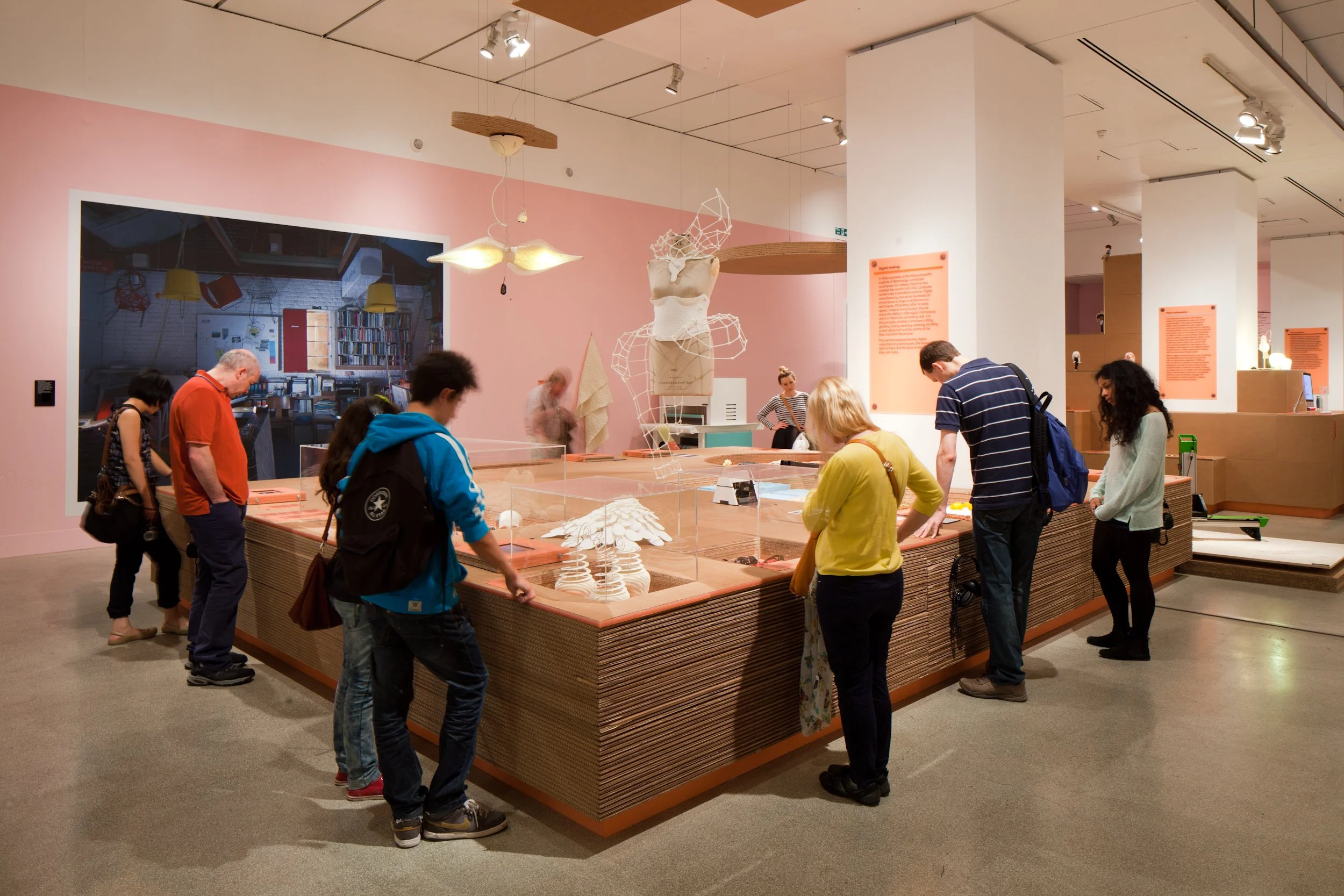
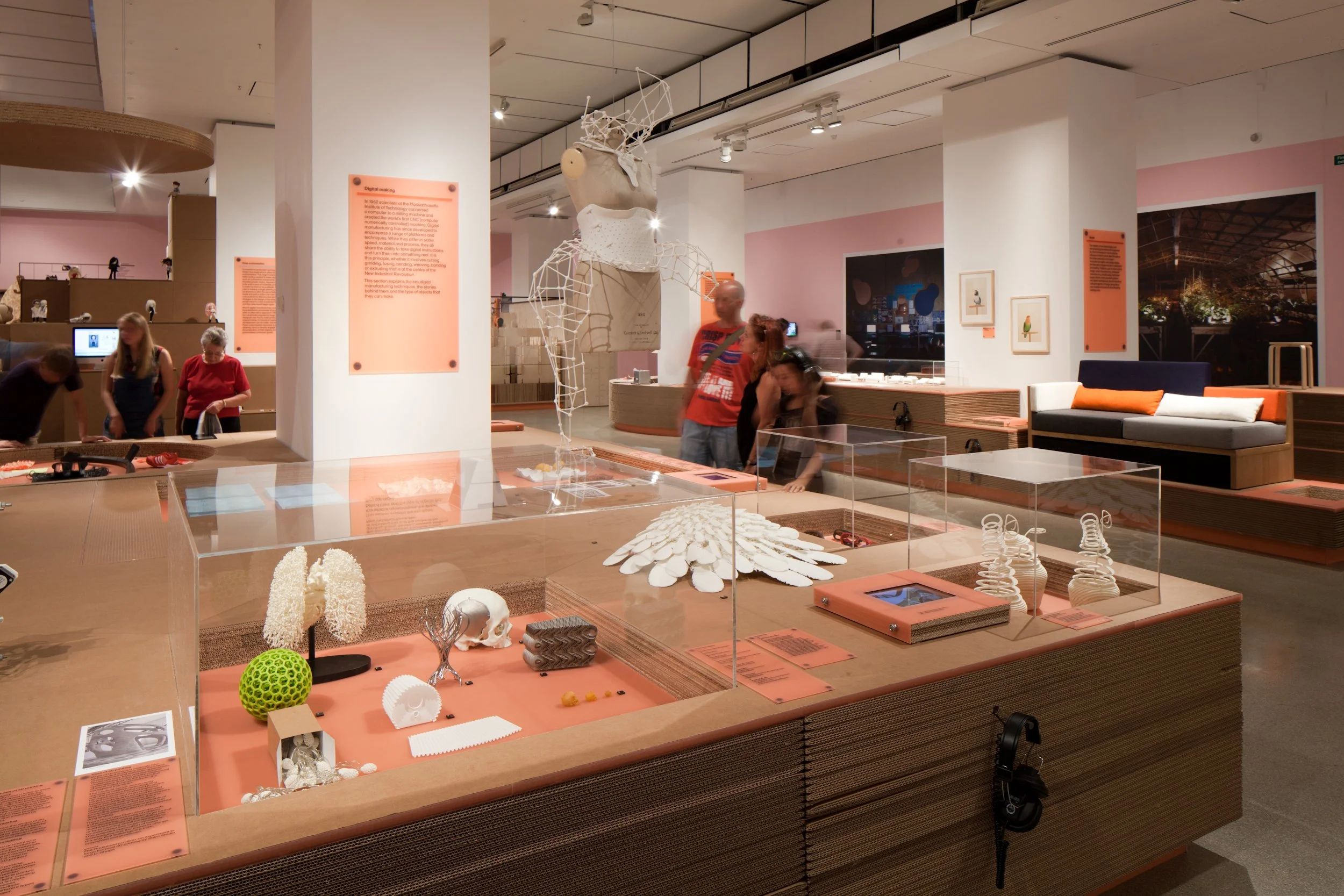
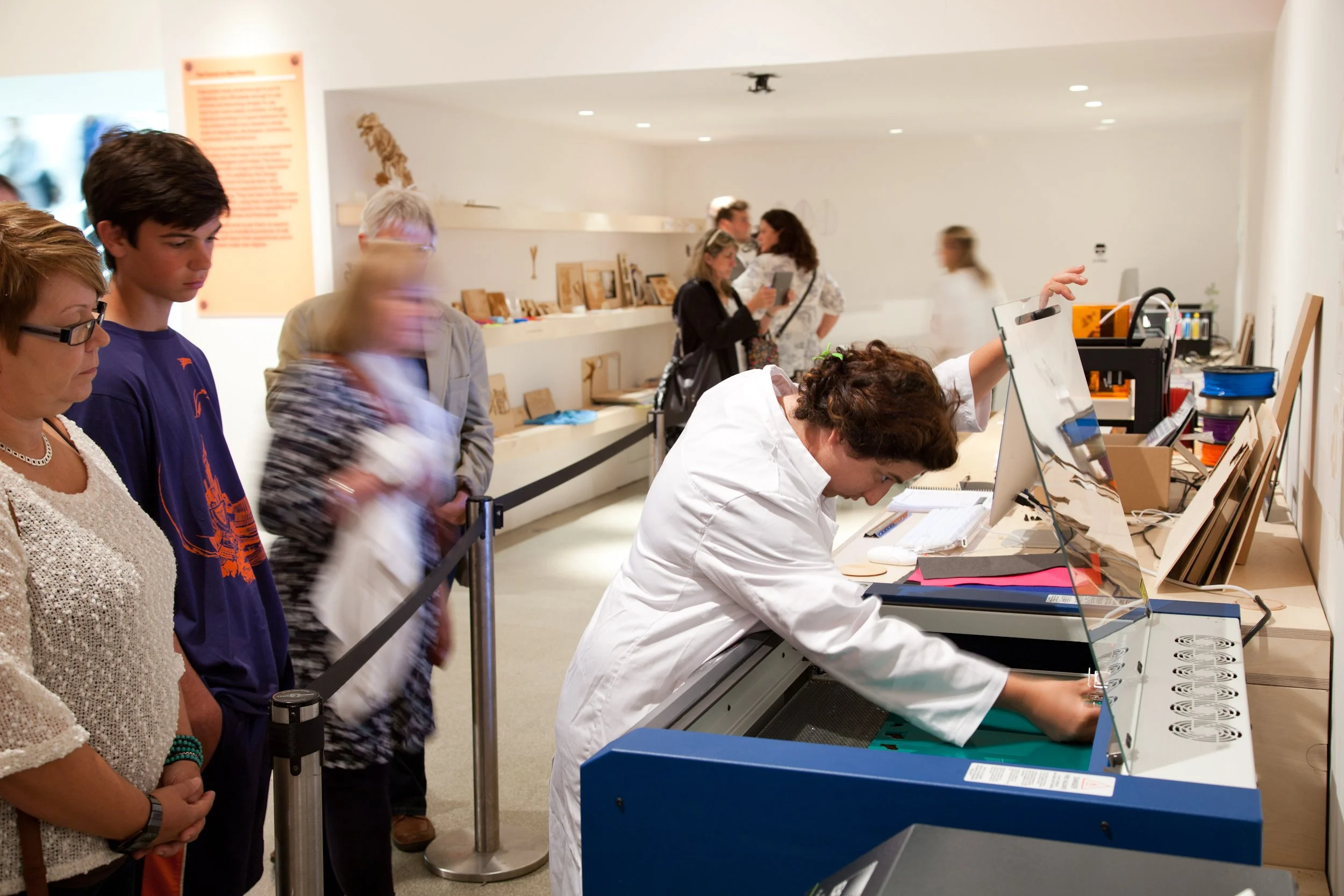
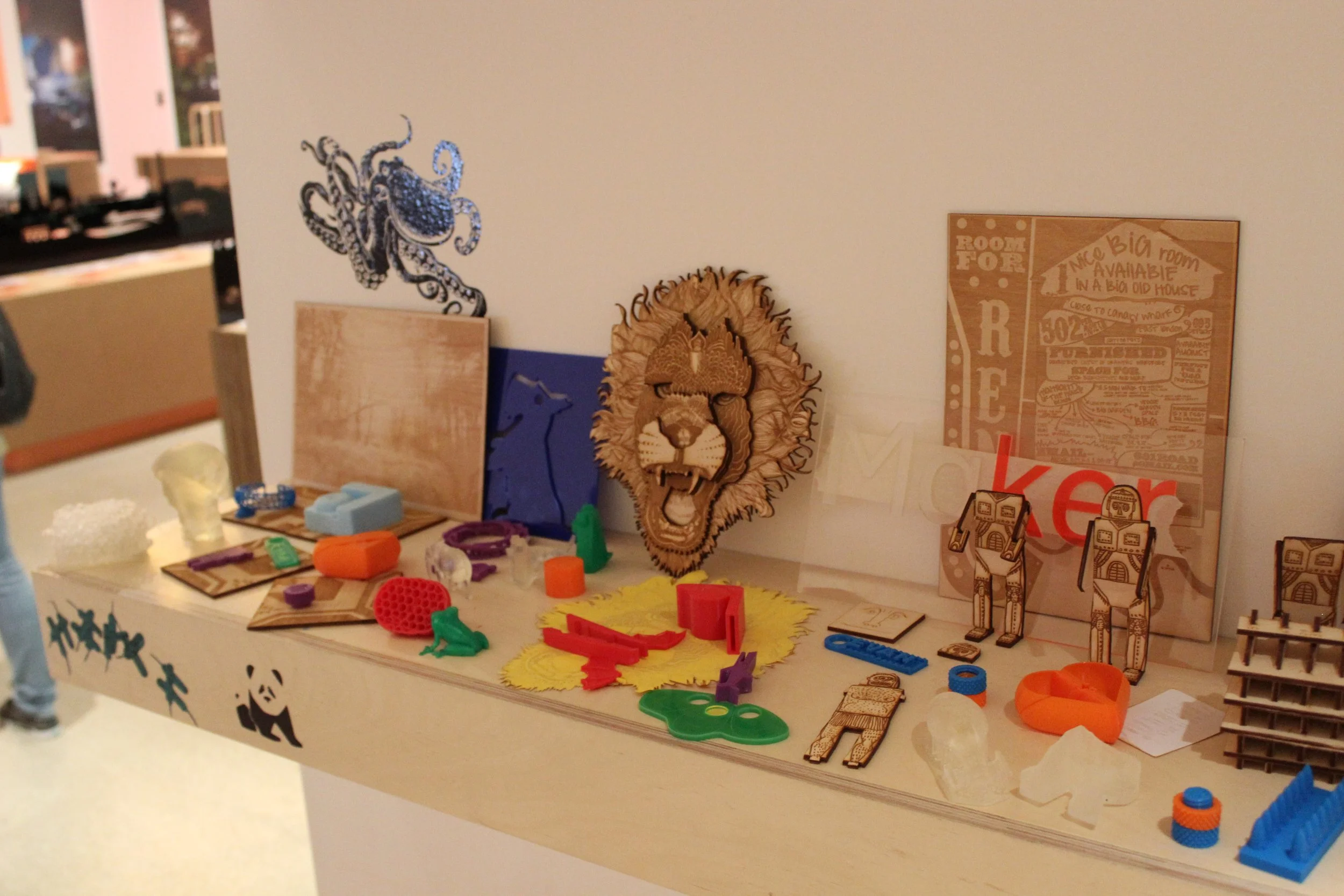
We developed the interpretation plan, content and scripting for the permanent collection displays, testing evolving ideas in the Collections Lab. This dedicated space and programme enabled the museum to try out new forms of interpretation, display and communication with real public audiences before committing to them at scale.
Finally, we produced the interpretation toolkit, a comprehensive framework enabling the museum's own teams to continue developing new exhibitions.
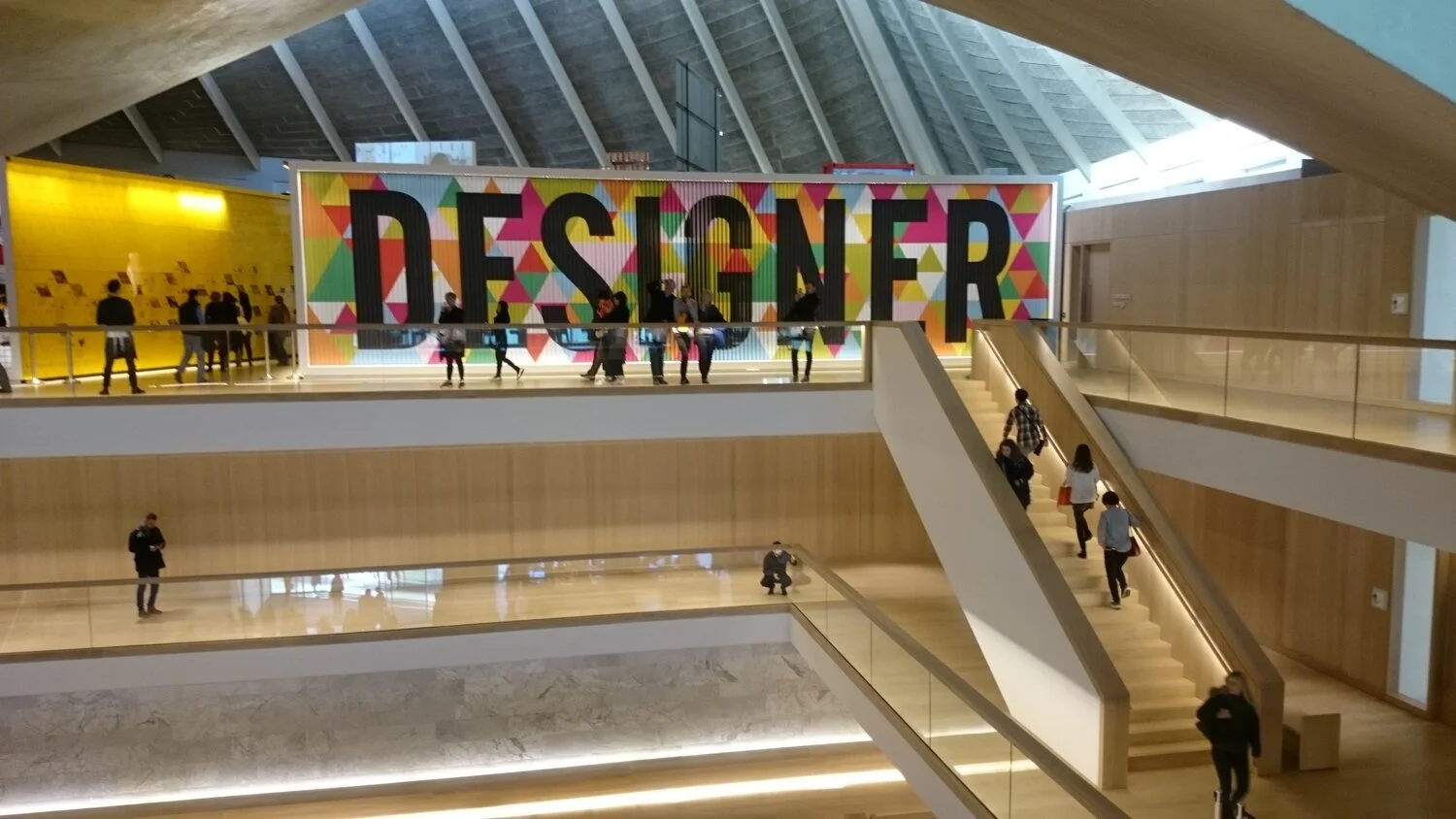
The move to Kensington was a landmark success, welcoming significantly more visitors than before and earning the European Museum of the Year accolade.
-
The most significant challenge of this project was to bring people from across a complex institution together to articulate a vision and purpose they could all inhabit and work from.
The workshops were key to this, not because they produced the interpretation strategy directly, but because they created the shared understanding that made everything else possible.
The Collections Lab demonstrated that testing interpretation with real audiences is not a luxury but an efficient investment. It surfaces what works, eliminates what doesn't, and produces evidence that shows what visitors actually like, not what we think they should have.
Developing the interpretation toolkit reflects a principle we hold across all our work – the goal to build capacity in the institution to tell its own story, in its own voice, long after the project period is over.
-
Client: Design Museum London
TGA: Narrative Development, Interpretation Planning, Content Development, Audience Testing, Interpretation Toolkit Development, Workshop Facilitation, Designers in Residence Training Programme
Partners: TBC