Oxford Explorer
Heritage Wayfinding Signage and Digital Trail
Taking museum collections back to the places they came from, and connecting visitors to the full depth of Oxford, beyond the honeypot sites.
-
Developed immediately after the Explore Oxford galleries opened, Oxford Explorer was a city-wide extension of the same interpretive vision.
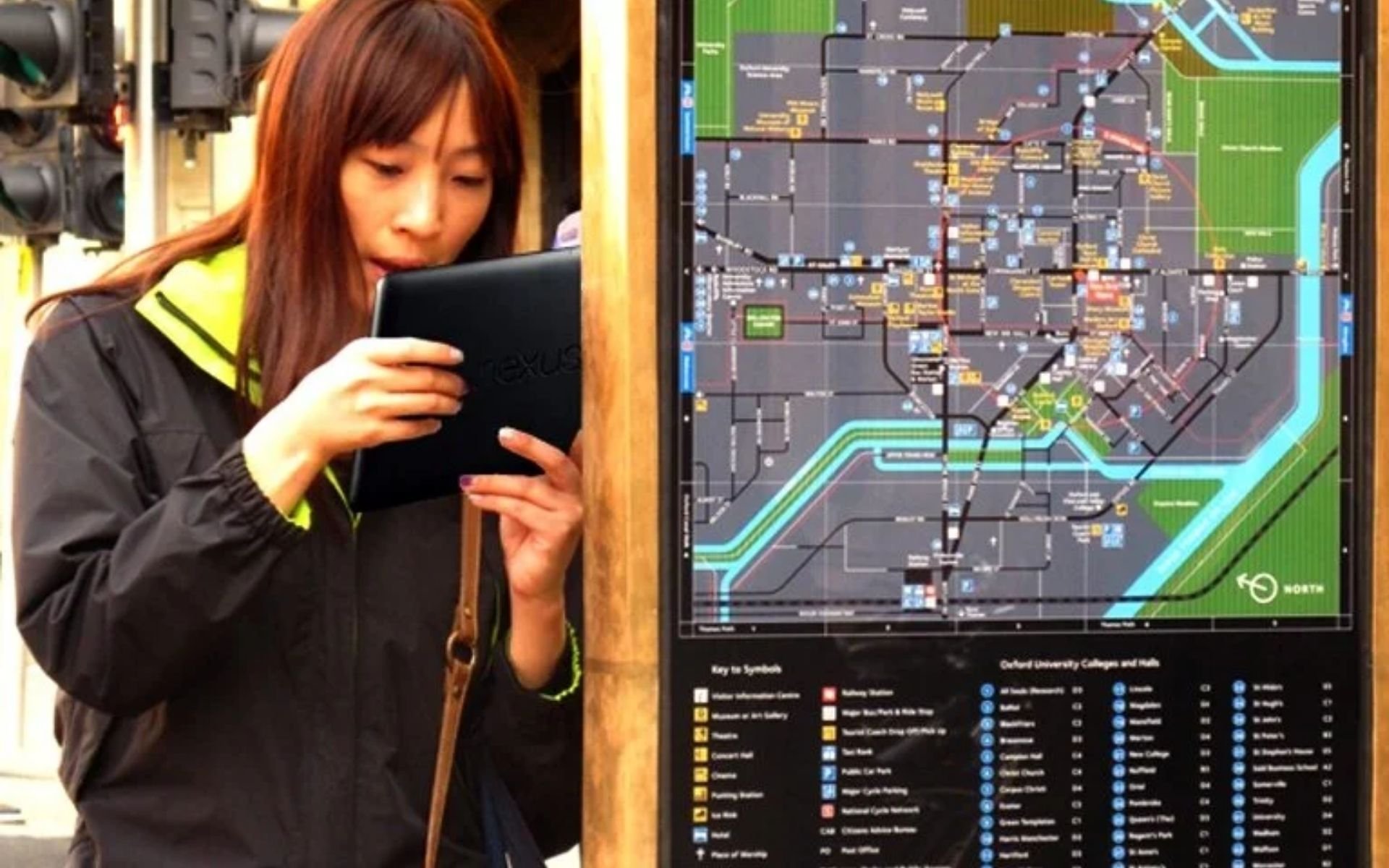
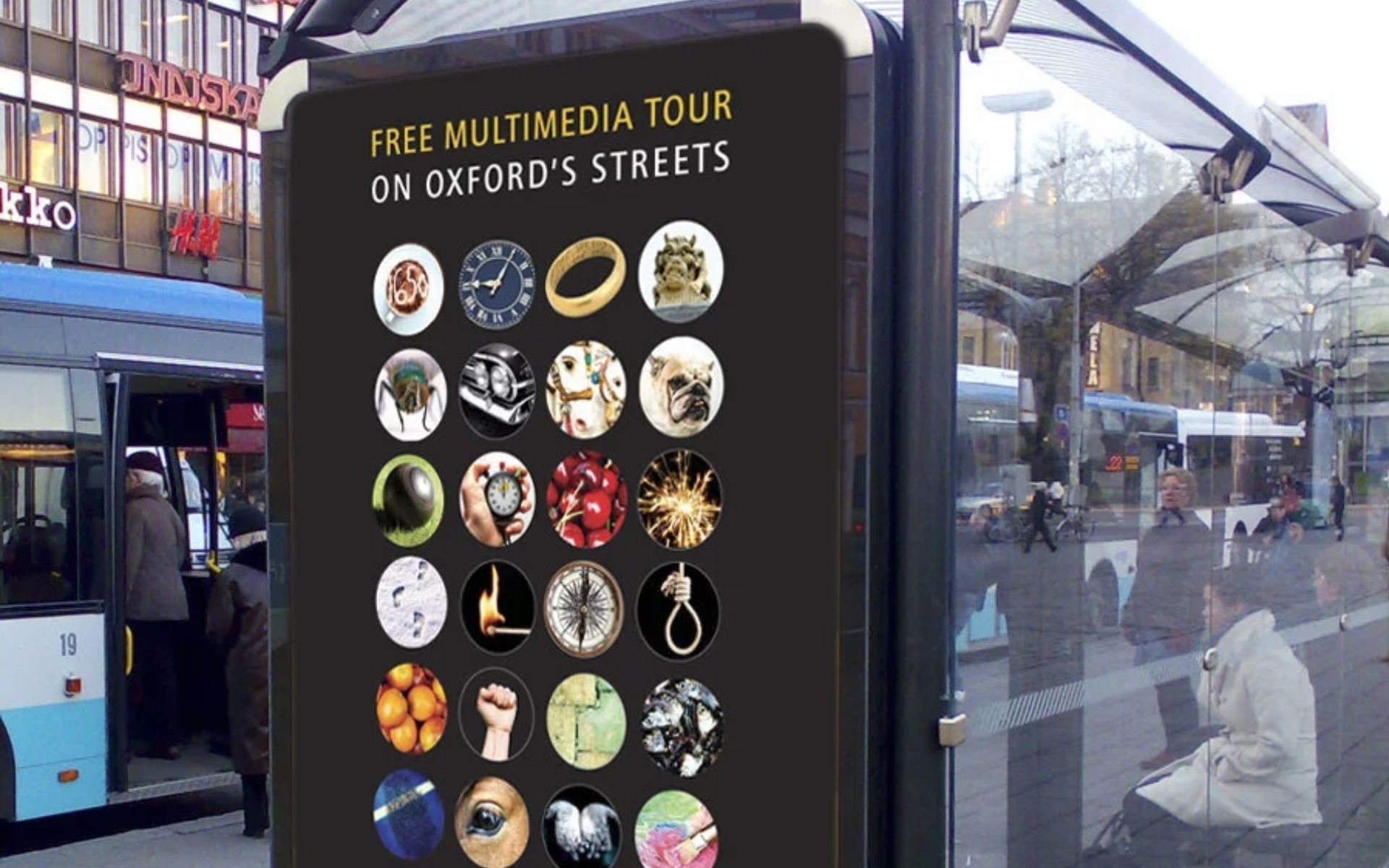
We were commissioned by Oxford City Council to design, develop, produce and install over forty new interpretation and wayfinding installations across Oxford city centre.
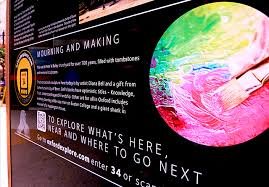
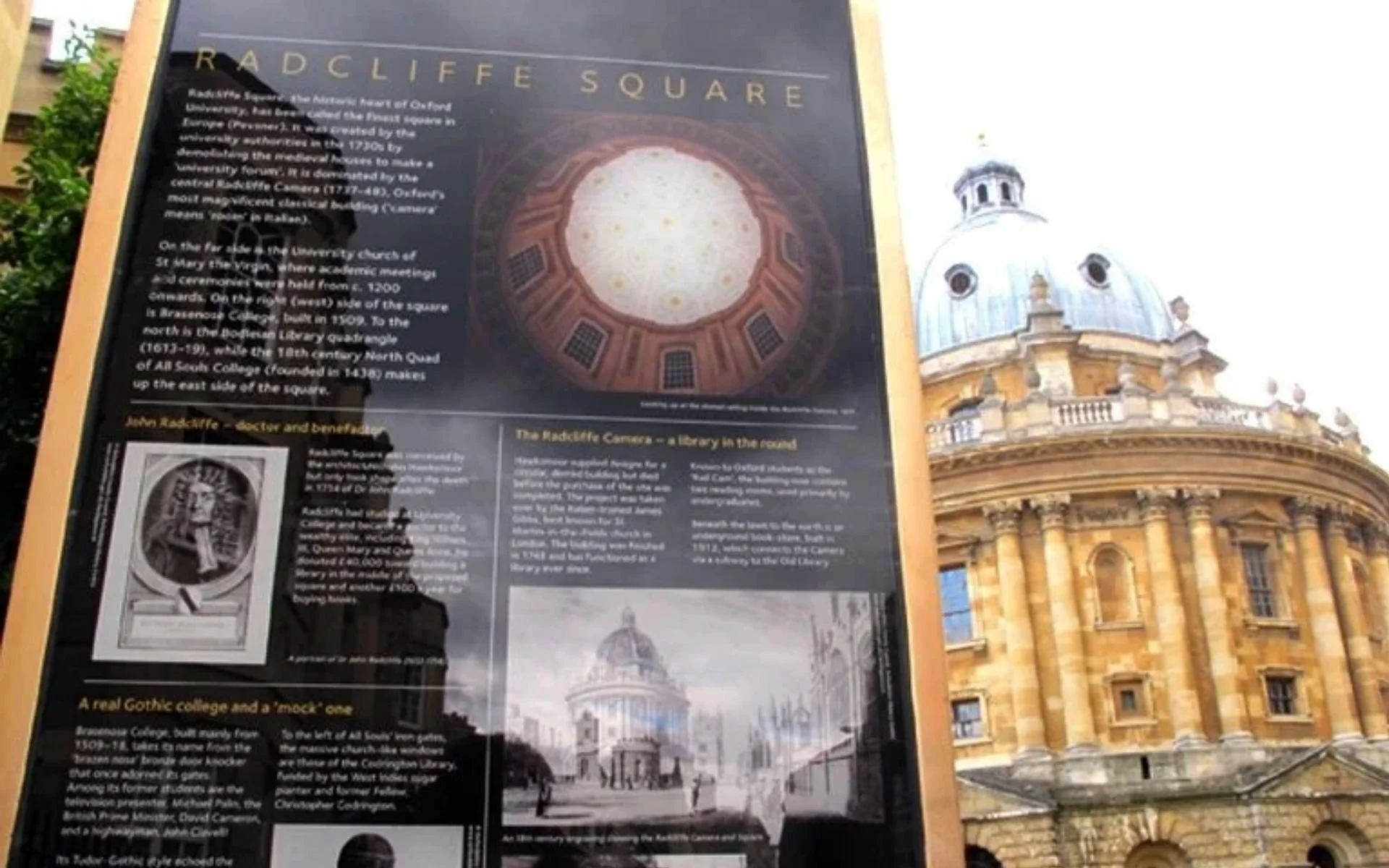
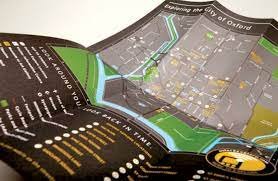
One face of each installation provided mapping and visitor orientation; the other carried heritage storytelling rooted in that specific location, drawing on museum collections, new research and the voices of community knowledge holders.
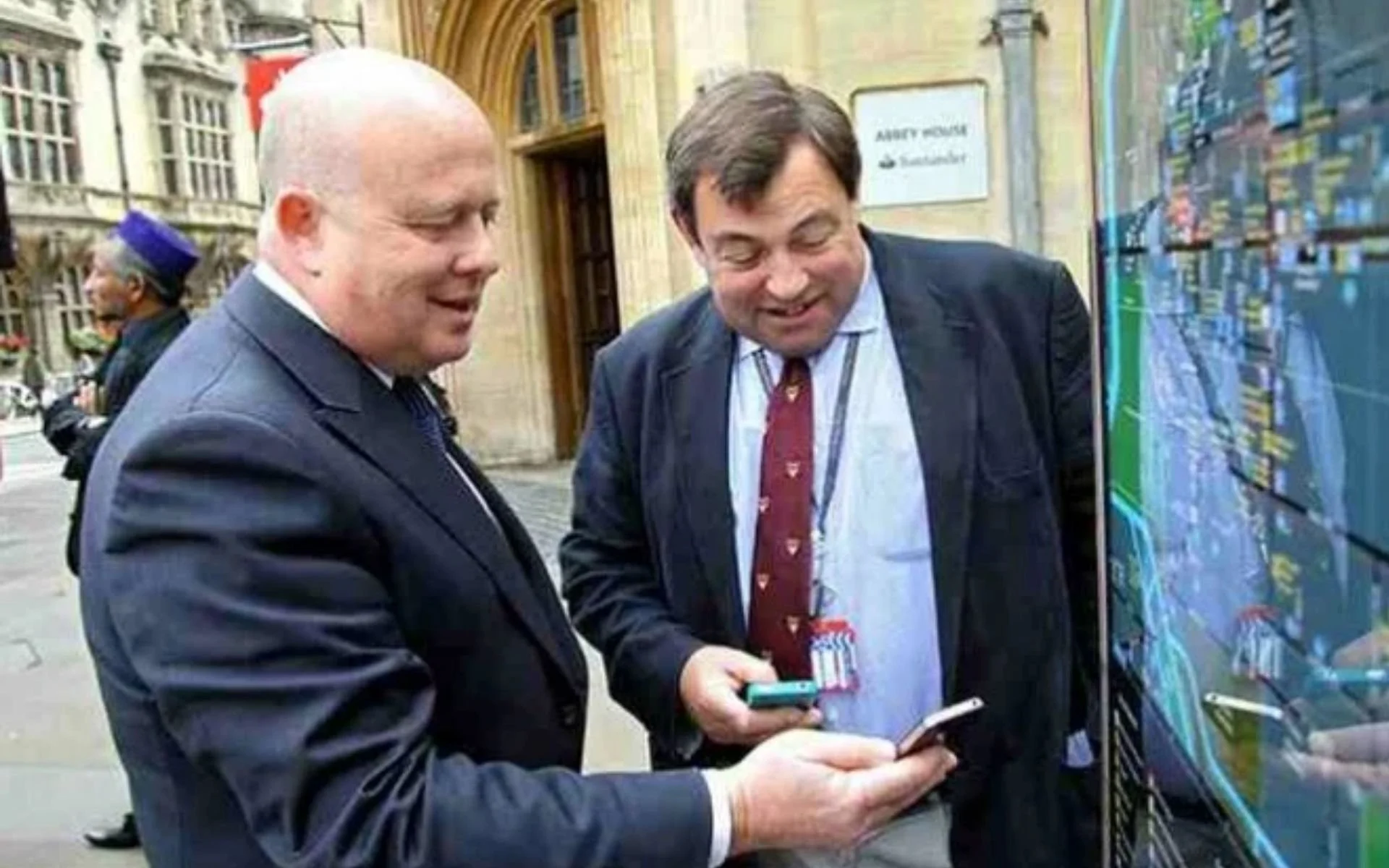
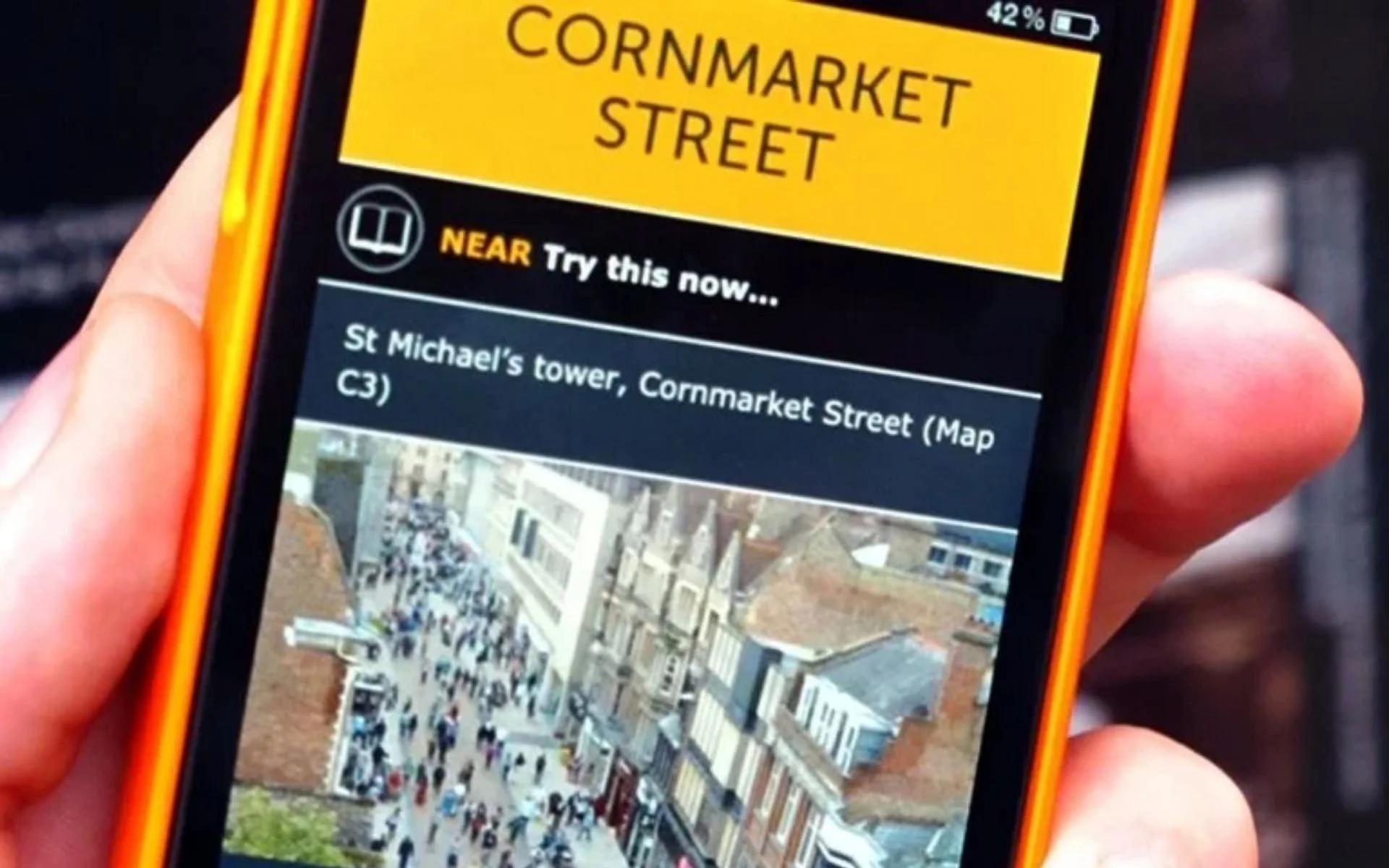
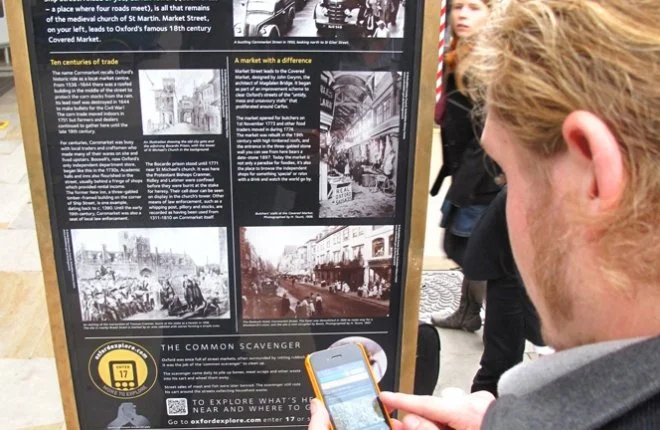
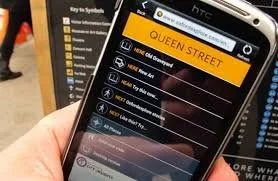
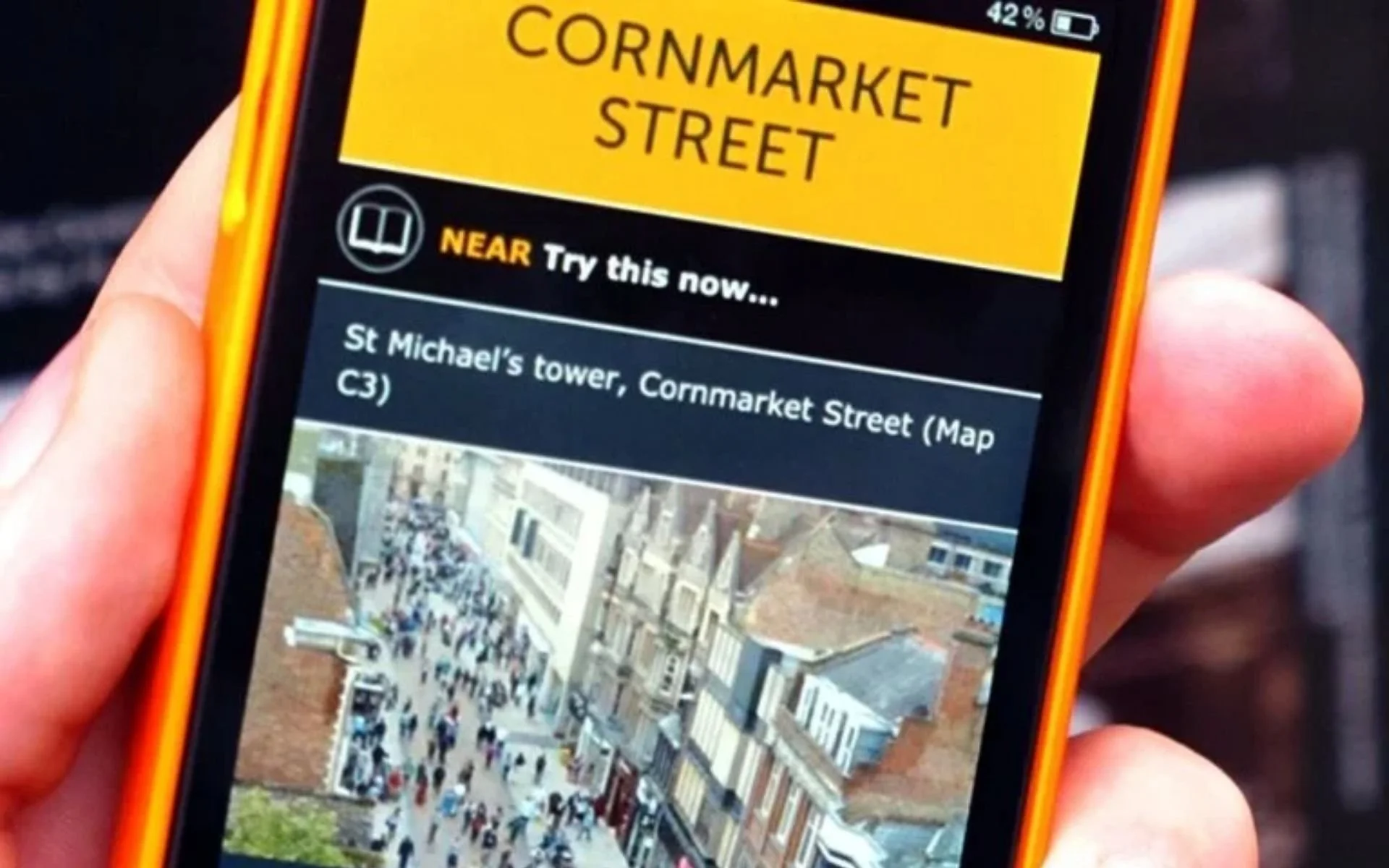
Every sign linked to an early iteration of TGA's Ci digital heritage platform via QR code, giving visitors a way deeper into each story directly from the street.
Interpretive Planning | Content Development | Wayfinding Design | Community Research | Digital Platform Development | Production Management
-
The interpretive approach was built on a single principle that gave the whole scheme its character: The Power of Here.
Wherever possible, the heritage story on each sign was told using objects from the Museum of Oxford's collections that originated from that specific location, taking the collection back to the places it came from, and making the museum's holdings visible and meaningful across the entire city rather than only within its walls.
New research and community interviews added material that no archive could provide. Stavros, the longest-running stallholder at Gloucester Green Market, contributed his own story and memories to the sign at that location, a model of community co-authorship that gave the scheme warmth, specificity and local trust that conventional heritage signage rarely achieves.
Across more than forty locations, including Carfax, Gloucester Green, Magdalen Bridge and the Botanic Gardens, the installations combined orientation with interpretive storytelling, encouraging visitors to navigate beyond the most-visited sites and discover the city at street level.
The QR codes linked to an early version of our Ci platform, extending each sign's content into audio, video, images and additional stories accessible on any smartphone. The signs were produced and installed by Fitzpatrick Woolmer and most remain in place across the city today.
-
Returning museum stories and collections to the places they came from is one of the most powerful interpretive moves available to any city museum. It makes the collection relevant and visible in a way that a gallery case alone cannot achieve, and it creates a distributed museum experience that has no walls and no opening hours.
Every visitor walking past Magdalen Bridge, Carfax Tower or Gloucester Green becomes a potential museum visitor the moment they stop at a sign.
The Stavros model, finding the people who hold the most specific, irreplaceable knowledge of a particular place and putting their voices on the sign, was a key feature of this project.
It is the antidote to generic heritage interpretation, and the difference between a sign that tells you a place has a long history and one that makes you feel the particular human texture of it.
Wayfinding and interpretation are too often treated as separate disciplines commissioned separately and delivered separately.
Oxford Explorer demonstrated what becomes possible when they are conceived together from the outset, when the sign that tells you where you are also tells you why it matters.
-
Client: Oxford City Council
TGA: Interpretive Planning, Content Development, Wayfinding Design, Community Research, Digital Platform Development, Production Management
Partners: Fitzpatrick Woolmer (Sign Production and Installation), Hotrod Creations (Design), City-Insights (Digital Trail Platform)