The Field Museum
Africa, Egypt and Nubia Galleries: Conceptual Masterplan
Reimagining how one of America's great natural history museums tells the story of Africa, Egypt and Nubia.
-
Appointed by the Director and Trustees of the Field Museum Chicago to develop a conceptual framework and storyline for the reimagining and redisplay of the Africa and Egypt and Nubia Galleries, and to consult on the idea of combining these two collections to shed new light on the often hidden legacy of African peoples. The project would break new ground, draw on the latest scholarship, and centre the voices of communities across Chicagoland that had too rarely been heard in the museum's galleries, including communities of the African Diaspora.
Narrative Masterplanning | Stakeholder Engagement | Collections Review | Field Research | Interpretation Planning | Design Concepts -
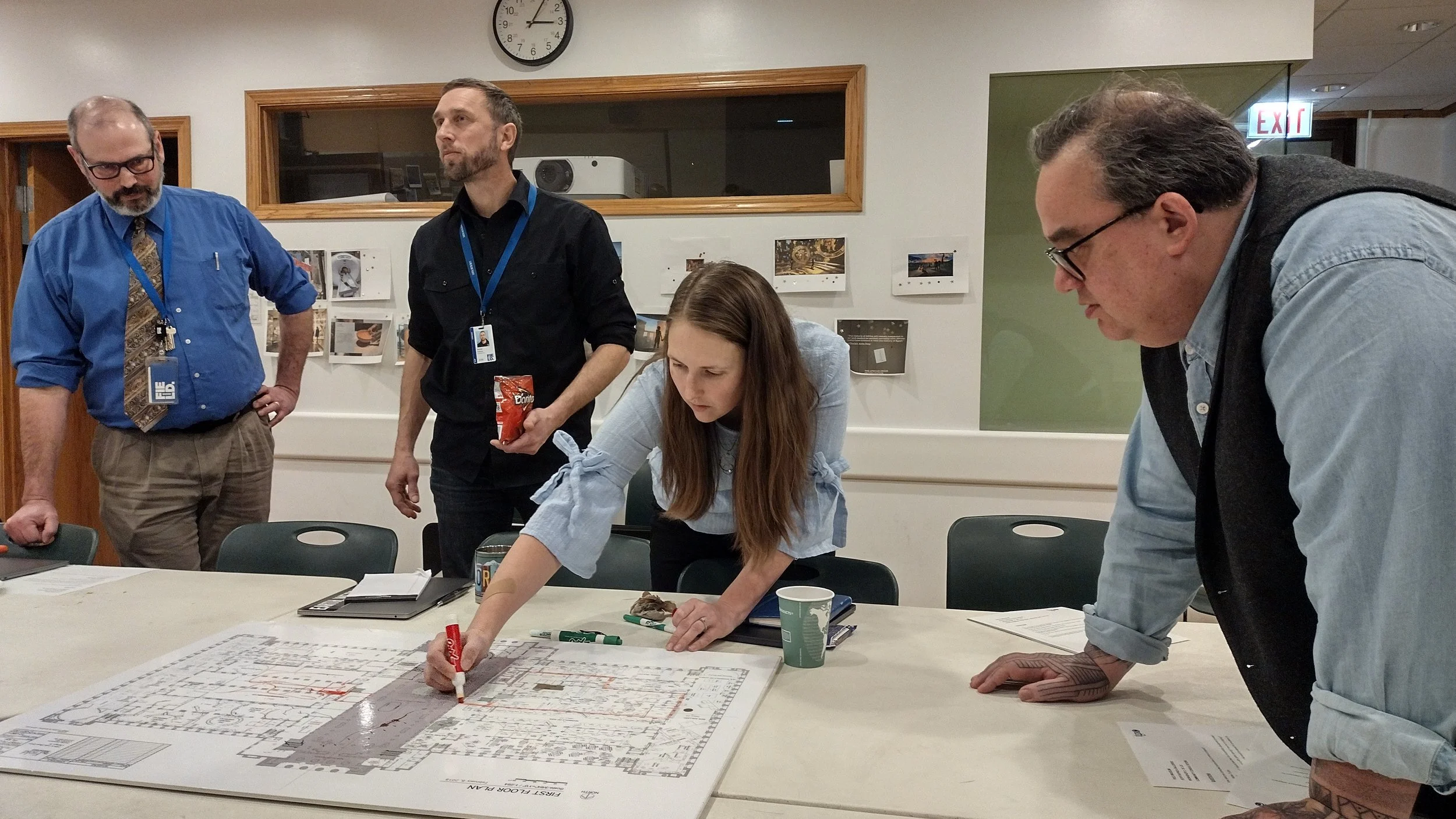
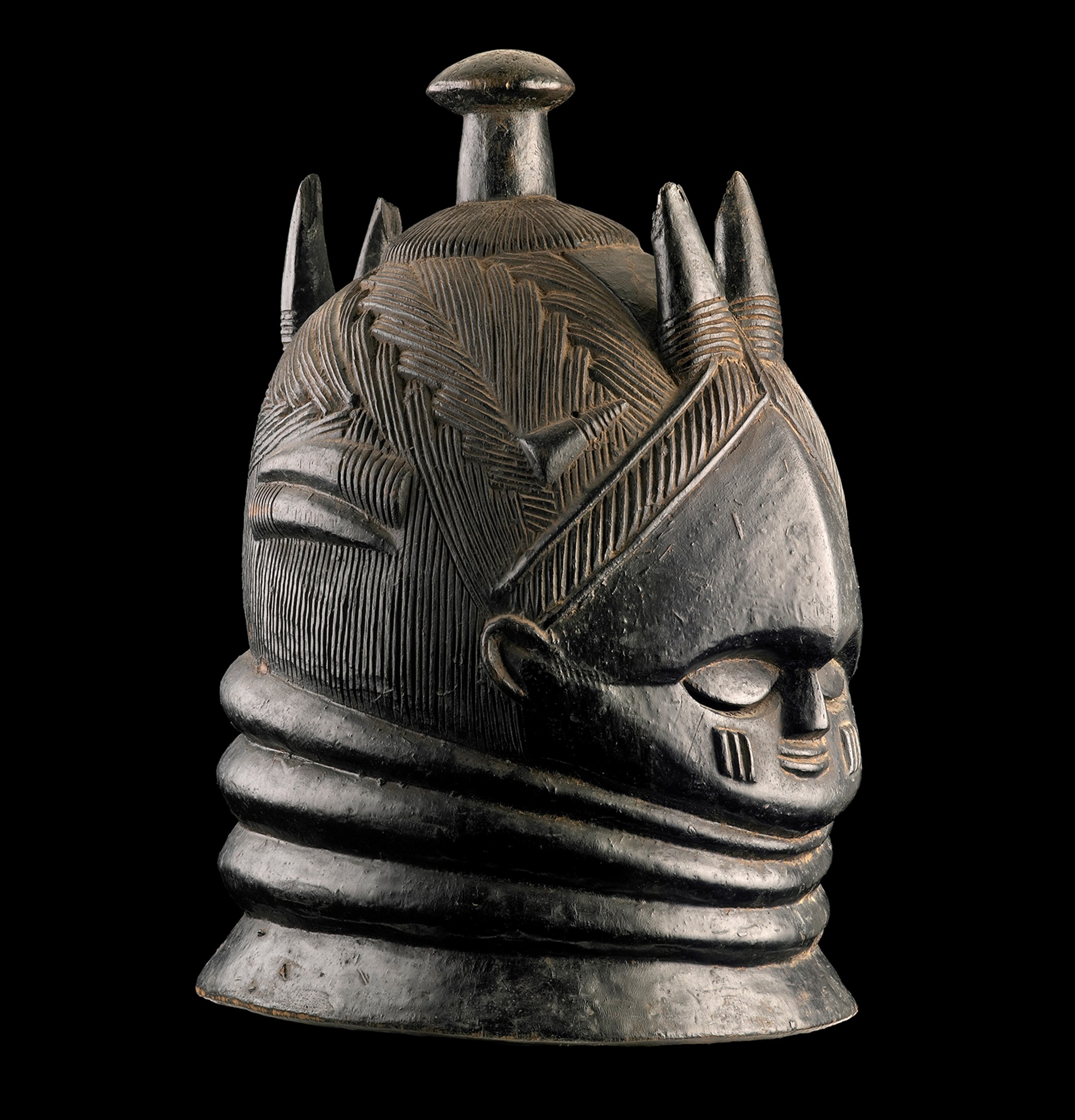
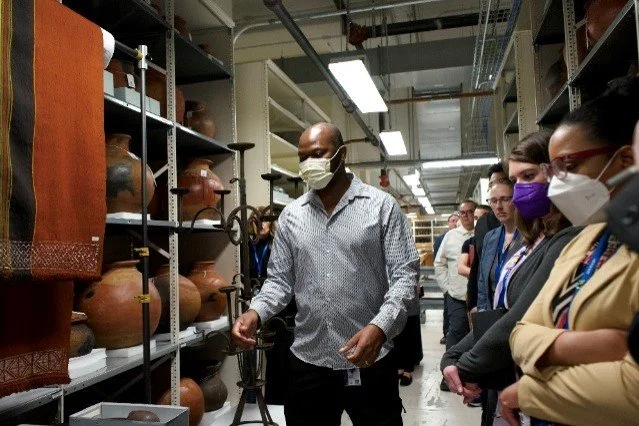
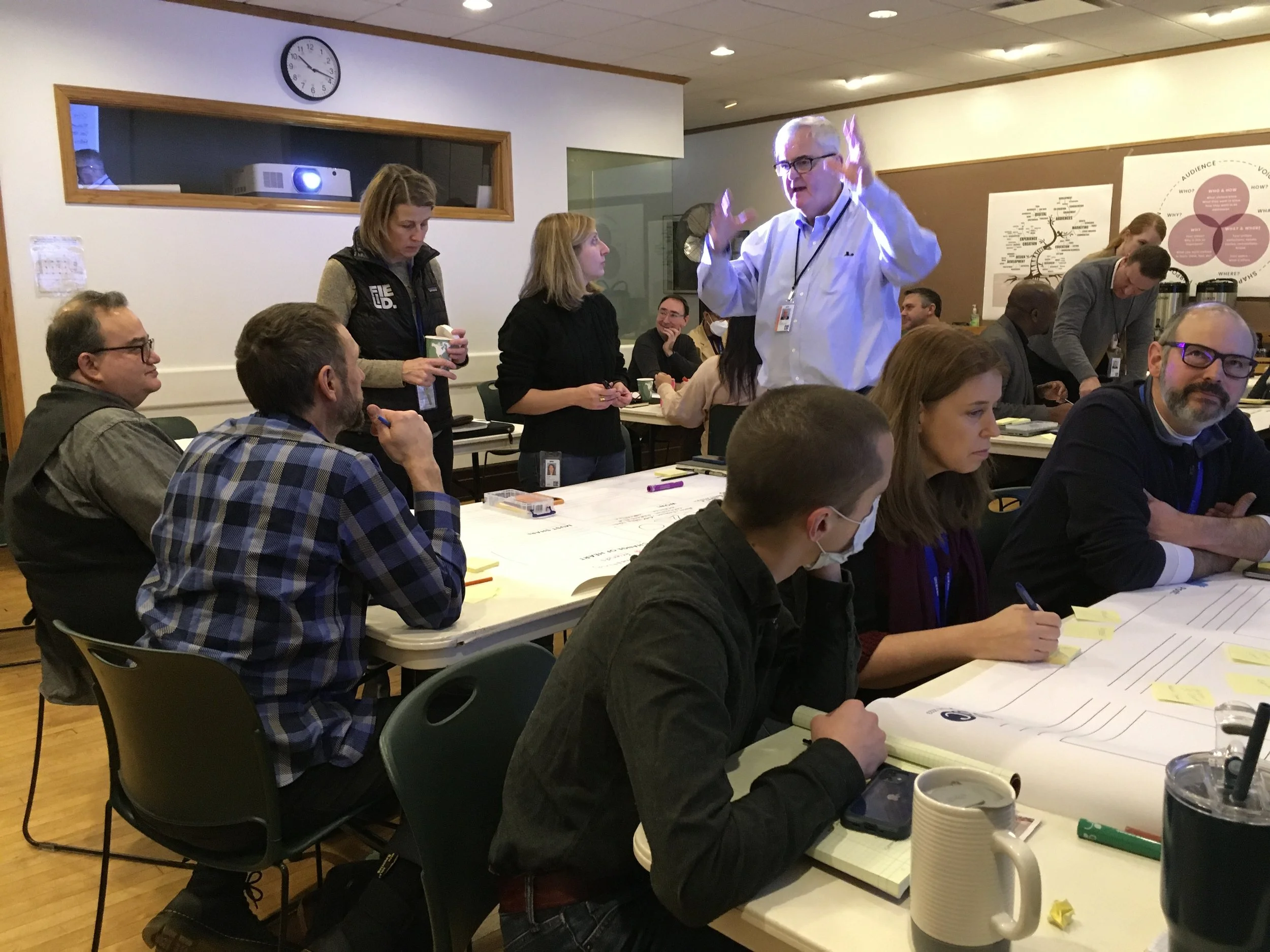
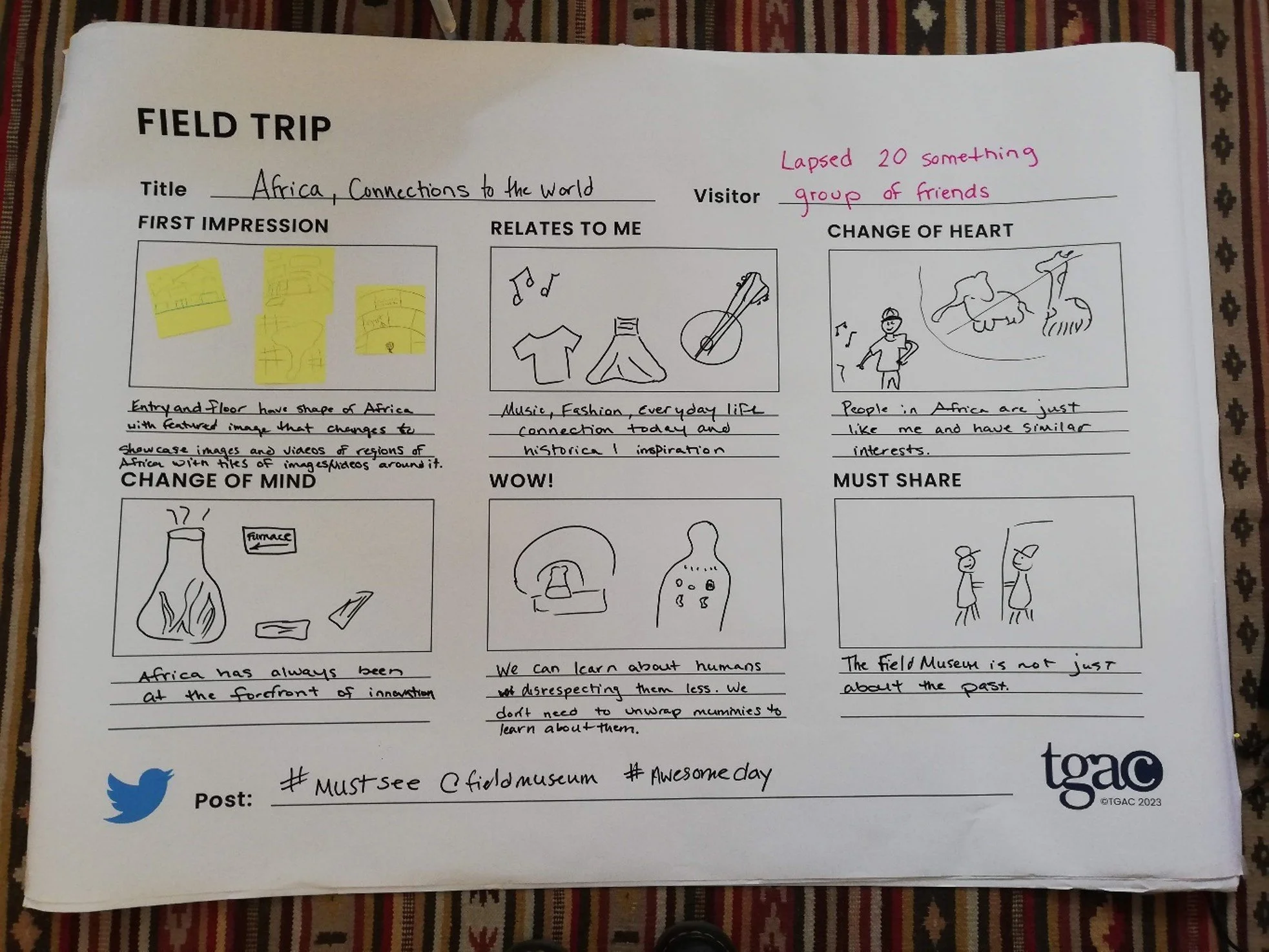
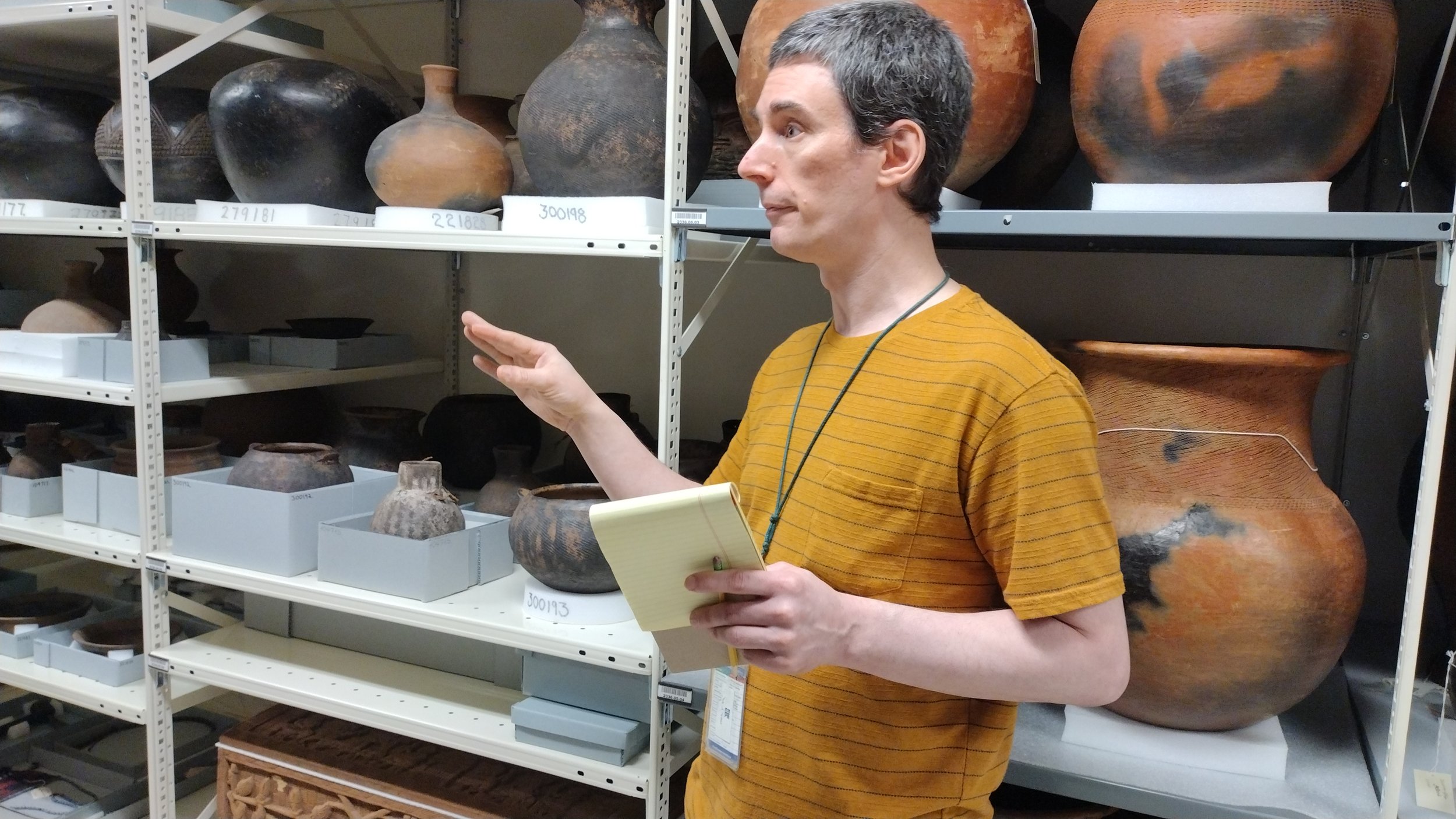
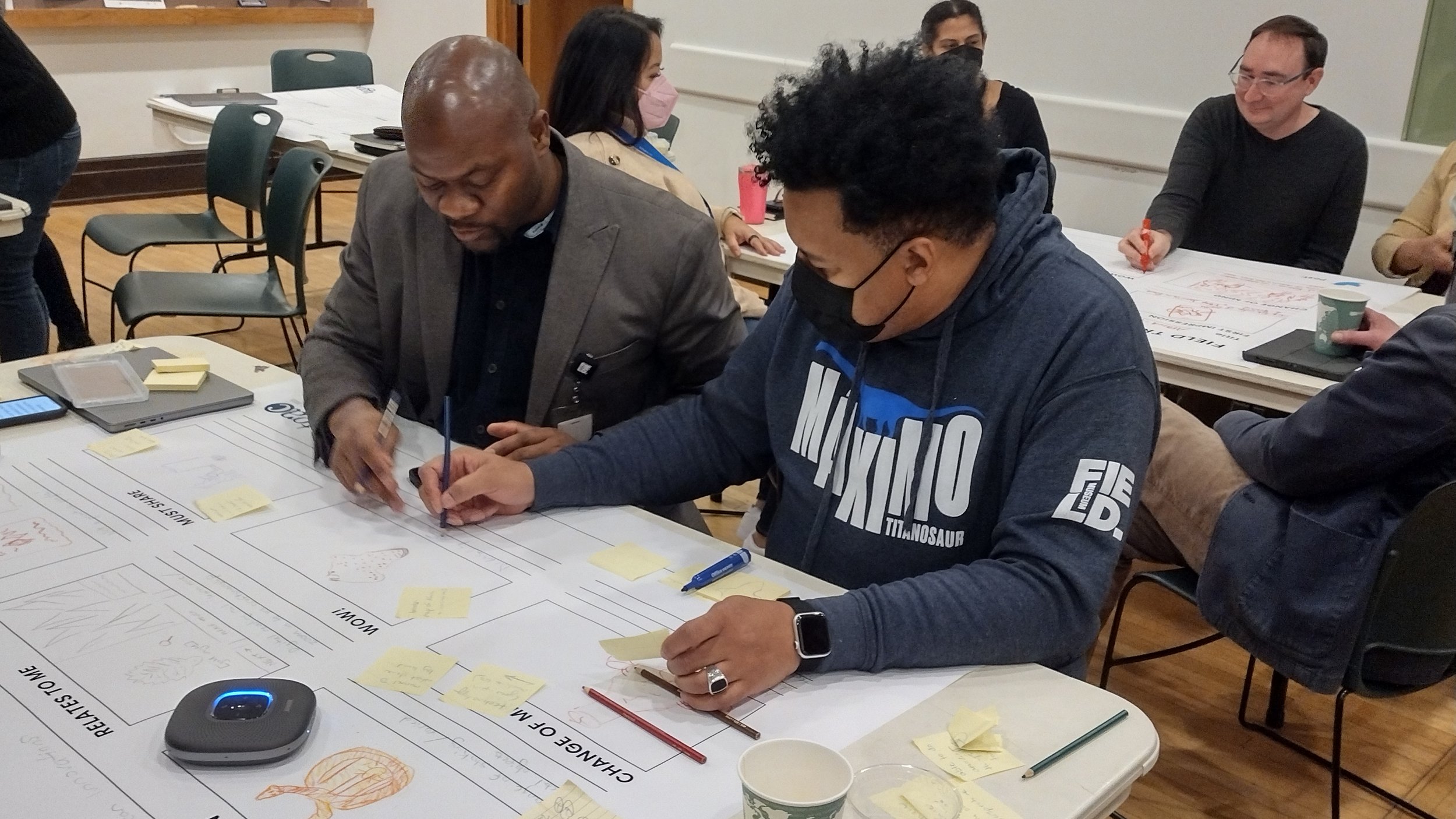
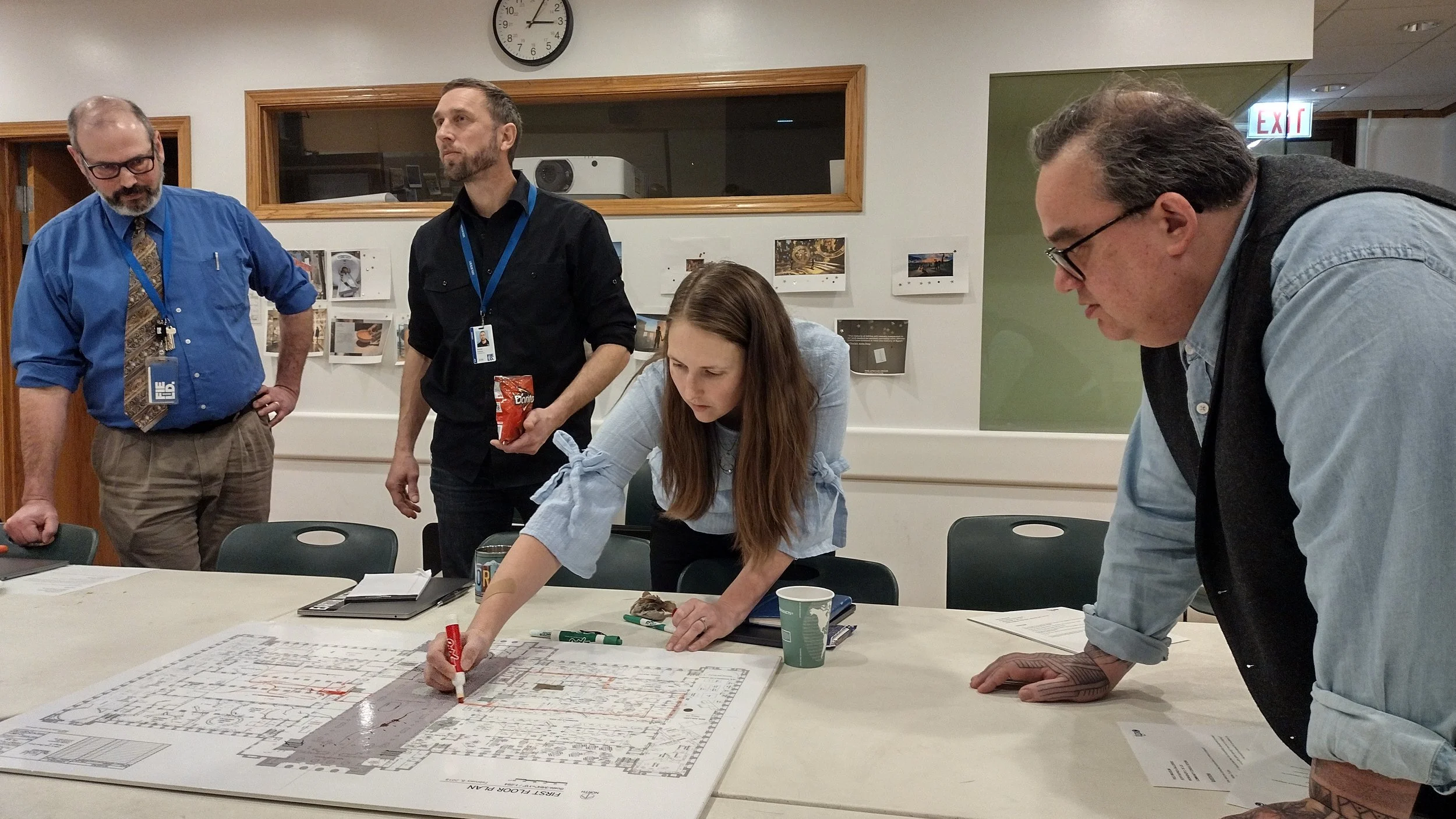
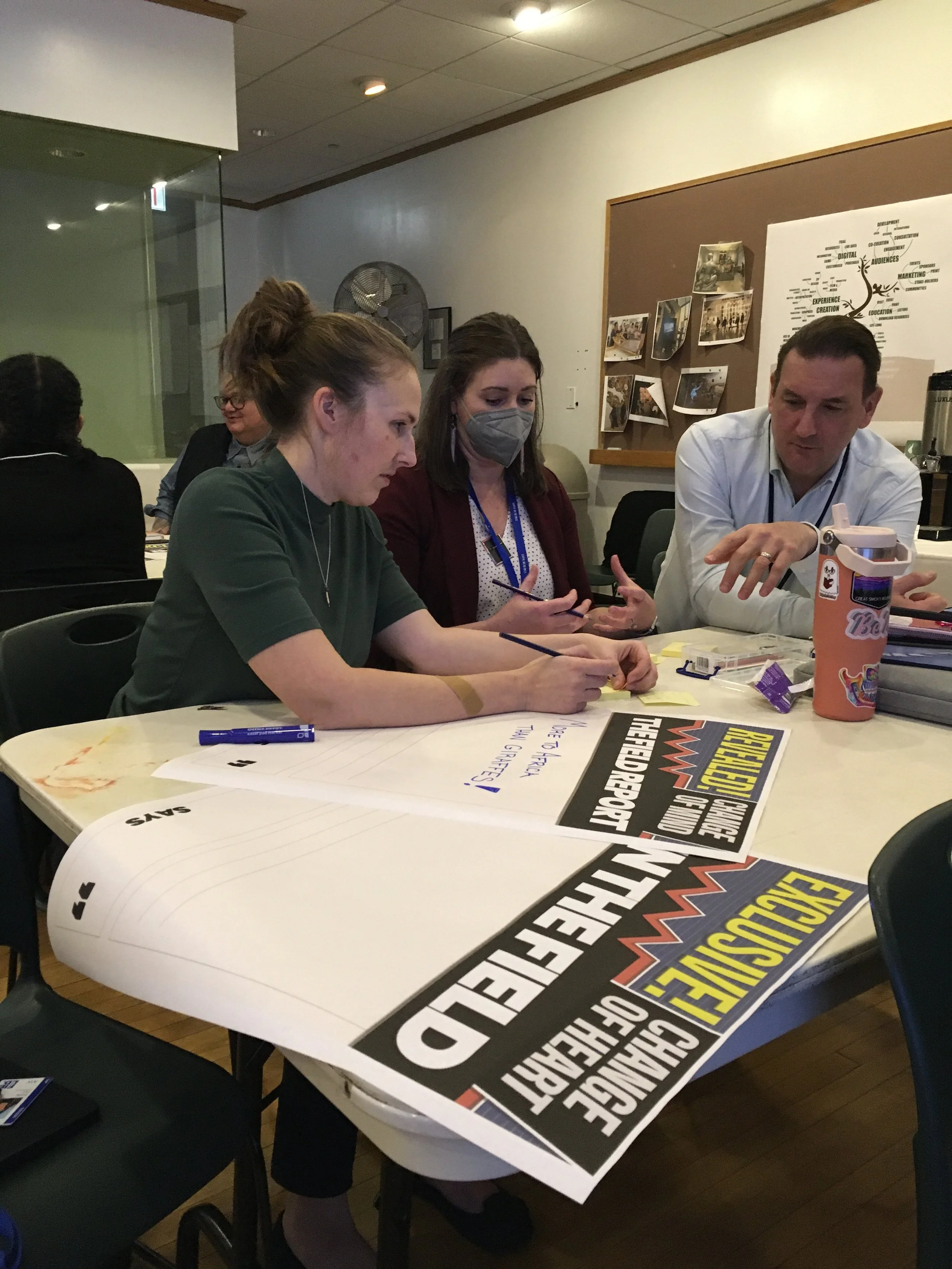
We began with a substantial period of internal consultation before facilitating a full collections audit and review with the Field Museum team. From these initial findings we adopted a participatory workshop approach, convening a series of high-profile charrettes in January and March 2023 that brought together a wide internal team of senior management and departmental stakeholders alongside representatives from every level of the Field organisation.
We conducted in-depth interviews with stakeholders and local knowledge holders, education and engagement experts, and a series of development sprints with subject specialists from across the Chicagoland area alongside representatives from institutions in Kenya and Zimbabwe, African scholars and Egyptologists. That consultative process shaped not just the narrative framework but the vision for the galleries themselves, drawing directly on the insights, priorities and lived experience of the people who contributed to it.
The resulting strategic report detailed ideation and masterplanning, initial design concepts and approach to interpretation and content, providing the preconcept masterplan on which the conceptual framework and detailed design brief are formulated. In the process, a set of recommendations for reorganising the exhibition and design process within the Field Museum itself emerged, a reminder that transformational gallery projects are often also organisational ones.
-
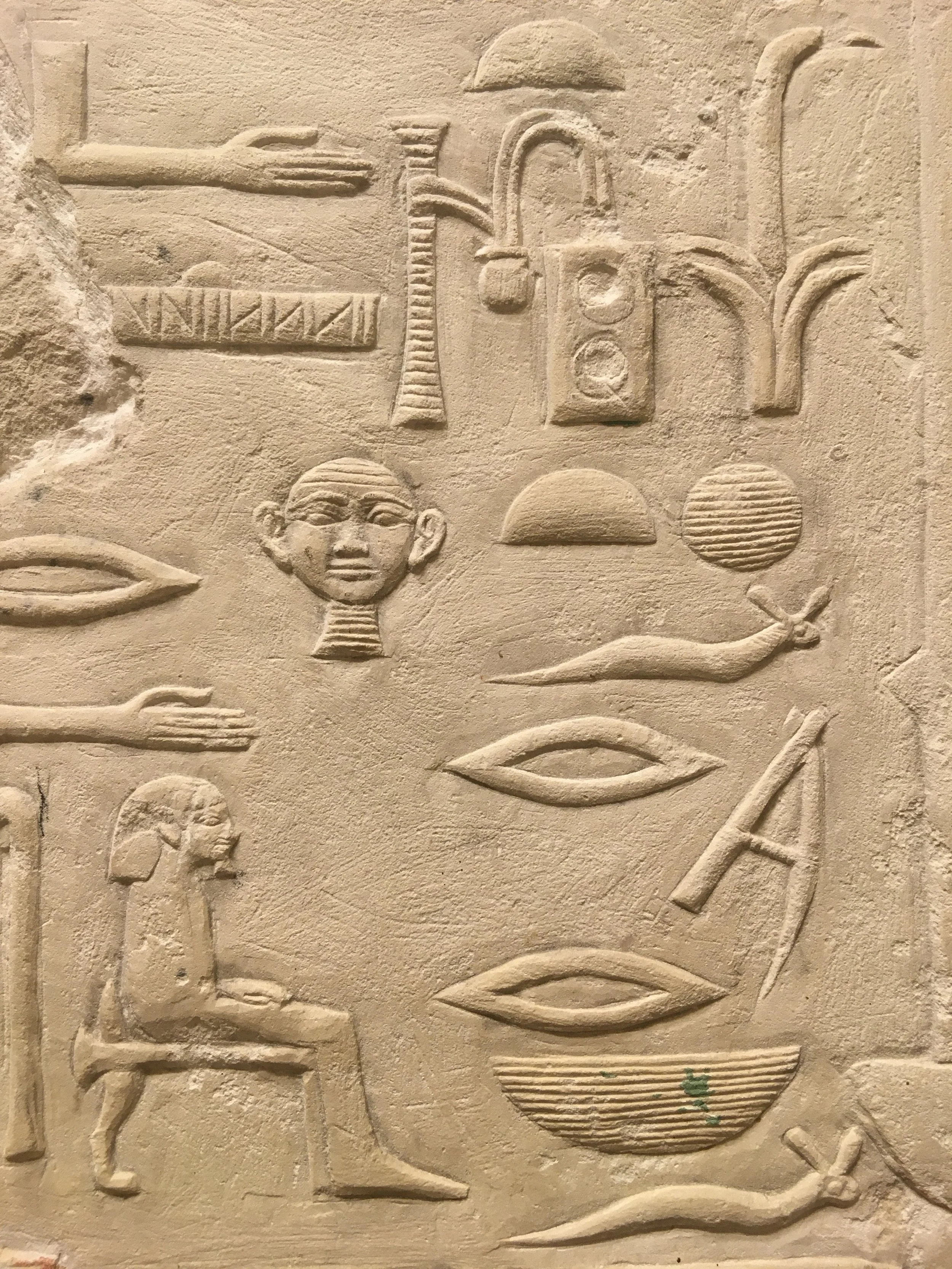
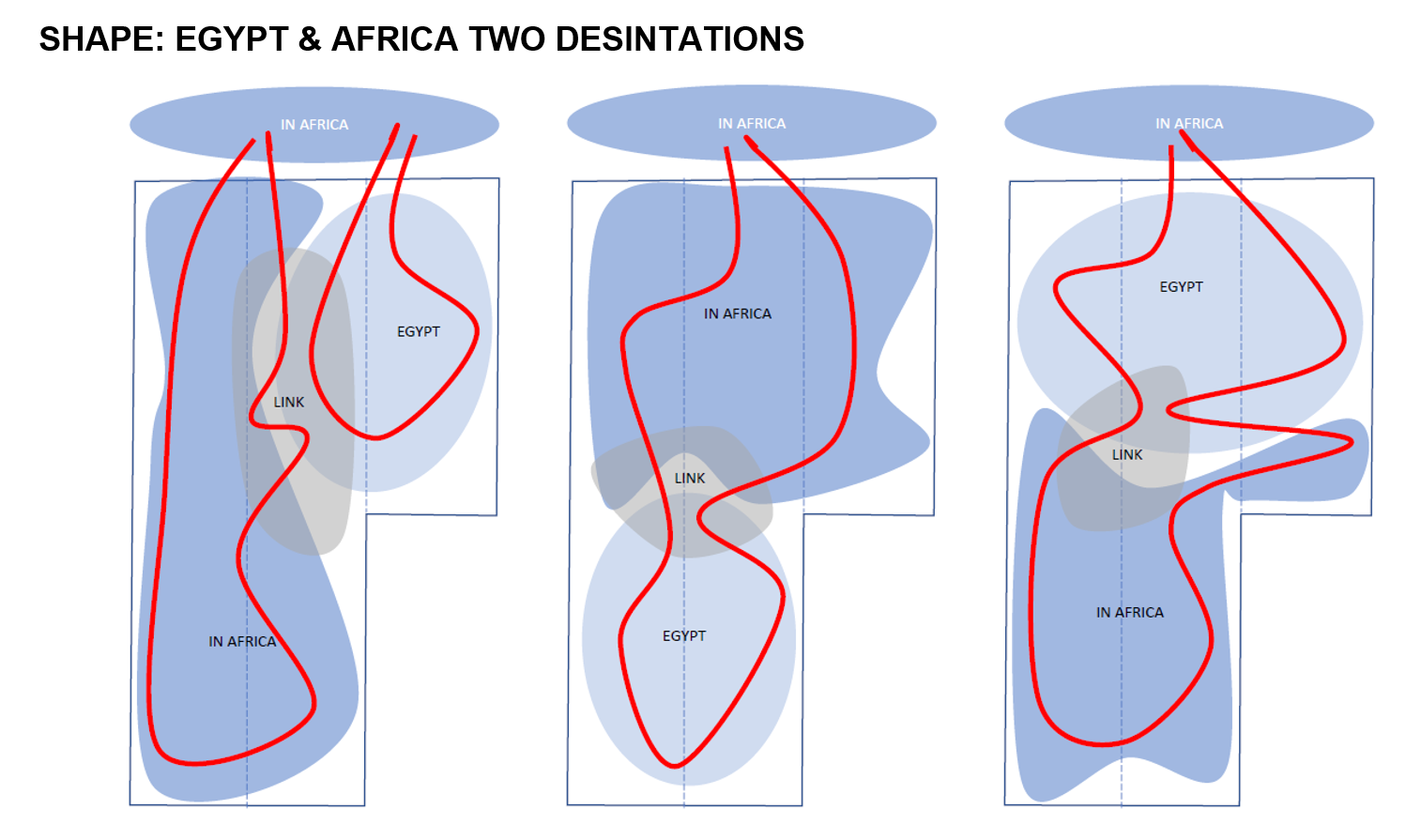
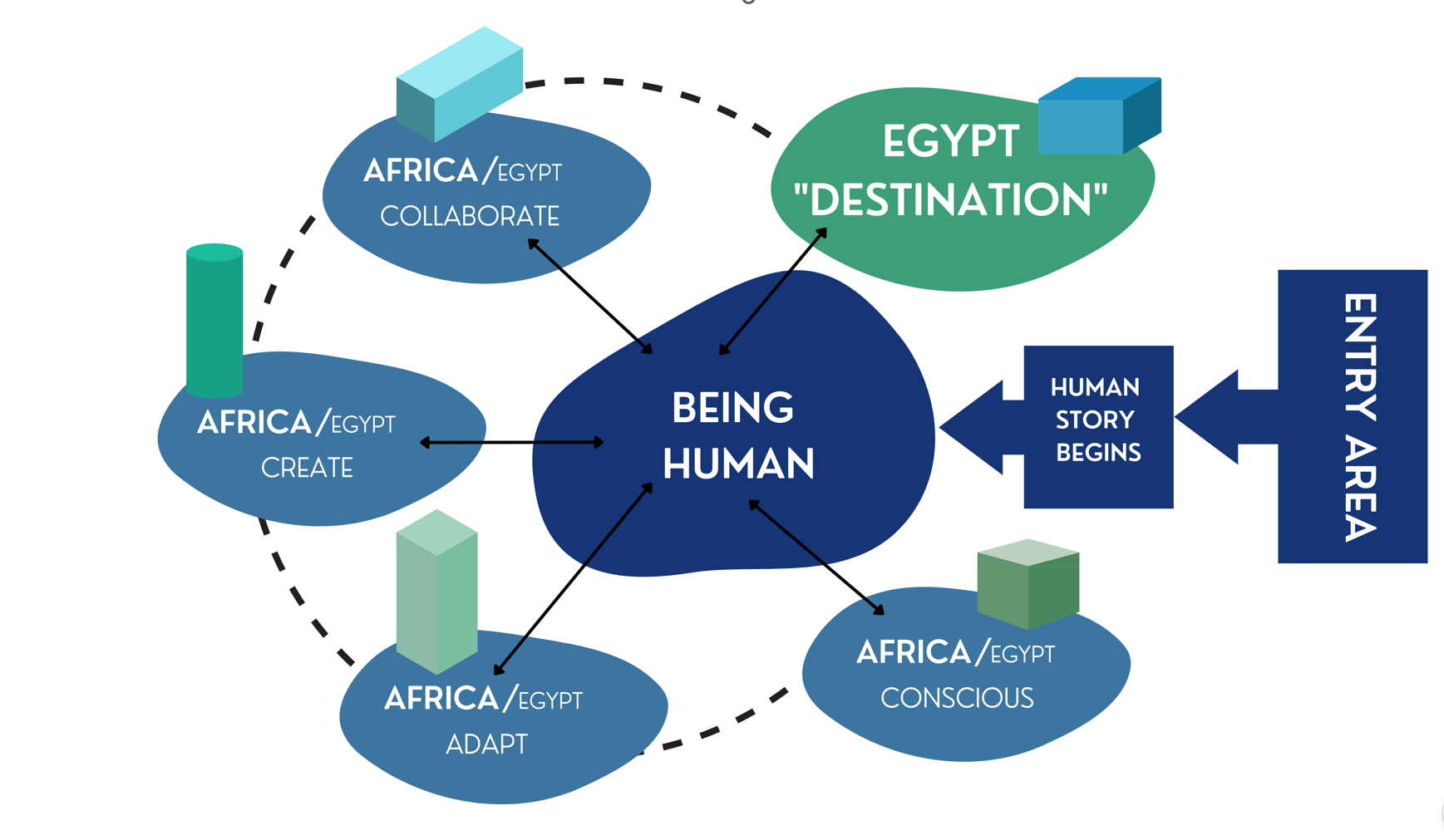
The most significant and generative insight from the consultative process was one of framing: that the story of Egypt belongs within the context of Africa, not separately from it. That single reframing, placing one of the world's most familiar ancient civilisations back inside the continent that produced it, has profound implications for every object in both collections and for the story the combined galleries can tell.
From that foundation, a bold shared vision emerged: to dispel the myths and colonial-era tropes that have shaped museum presentations of Africa for generations, and to pioneer new forms of exhibition, community partnership, learning and visitor experience in their place. The Africa that emerges from this approach is not a continent of static traditions and ancient mysteries but a diverse, dynamic, inventive place, the origin point of humanity itself, and of much of what we understand as civilisation. The human story begins in Africa. Almost all of our DNA, and almost all of the qualities we consider most essentially human, consciousness, creativity, collaboration, inventiveness, curiosity, language, trace back to the deep-time ancestors who lived and evolved there.
The project also confirmed something we find consistently on collections of this scale and significance: digital opportunities are essential not decorative, connecting to other collections and scholars, accessing remote materials, and linking the museum to global communities who hold living knowledge of the heritage the galleries represent.
-
Client: The Field Museum, Chicago
TGA: Narrative Masterplanning, Stakeholder Engagement, Collections Review, Field Research, Interpretation Planning, Design Concepts
Partners: Alistair Hinshelwood (Design Direction), Dan Rahimi (Project Management), Sif Lærke-Hall (Research Associate), Emily Teeter (Curator), Kevin Cahill (Curator)