

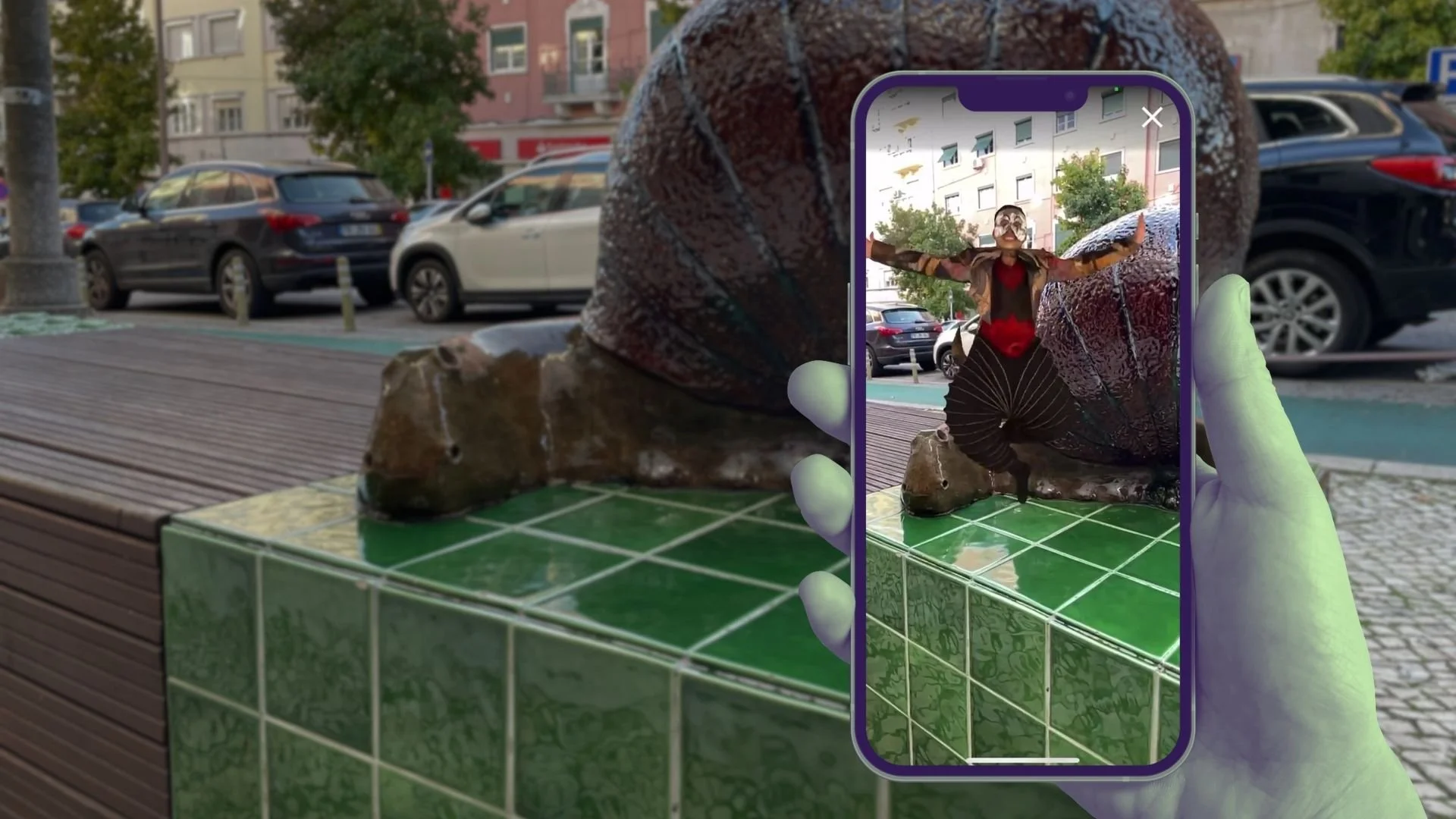
Narrative Environments & Experiences
Narrative environments are designed, spatial, and digital storytelling spaces - like exhibitions, innovation districts, or urban developments - that communicate stories, activate histories, and evoke, immerse, or engage users through spatialised narratives. They combine and apply narrative, spatial, and design theory to create immersive, explorable experiences that create space for visitors to see themselves in new ways and construct their own meaning.
Spatial Storytelling: Unlike linear, passive media (film, literature), spatial narratives integrate full-body, sensory, and emotional immersion to create and communicate meaning.
Active Participation: Visitors/users often construct their own narrative threads by choosing where to go, shifting from passive viewers to participants and co-creators.
Types of Spaces: These include national, regional and urban geographies, as well as exhibitions, brand experiences, retail, museums, public realm installations, and digital environments.
Purpose: They are designed to foster empathy and connection, trigger new thoughts, emotional or physical responses, and to shape feelings, aspirations, or actions.
Key components of Narrative Experiences:
Storyworld: A narrative framework for physical environments that transports users into a specific, often immersive, contextual awareness.
Environmental Narrative: Using storytelling structures, spatial layout and, often, non-verbal cues (objects, design) to communicate a story, for example through place based gaming and exhibition design.
Meaning-Making: The goal is to provide a "narrative framework" where users can encounter, interpret, connect with personal or universal meaning in the space.
Design Elements: Narrative creates the context and central ‘why’ that brings lighting, sound and materials, processes and technologies together to create a cohesive, meaningful experience.
Narrative environments are often used to foster empathy and explore complex histories and shared experiences, combining heritage and contemporary messaging that blends social, cultural, and economic goals.